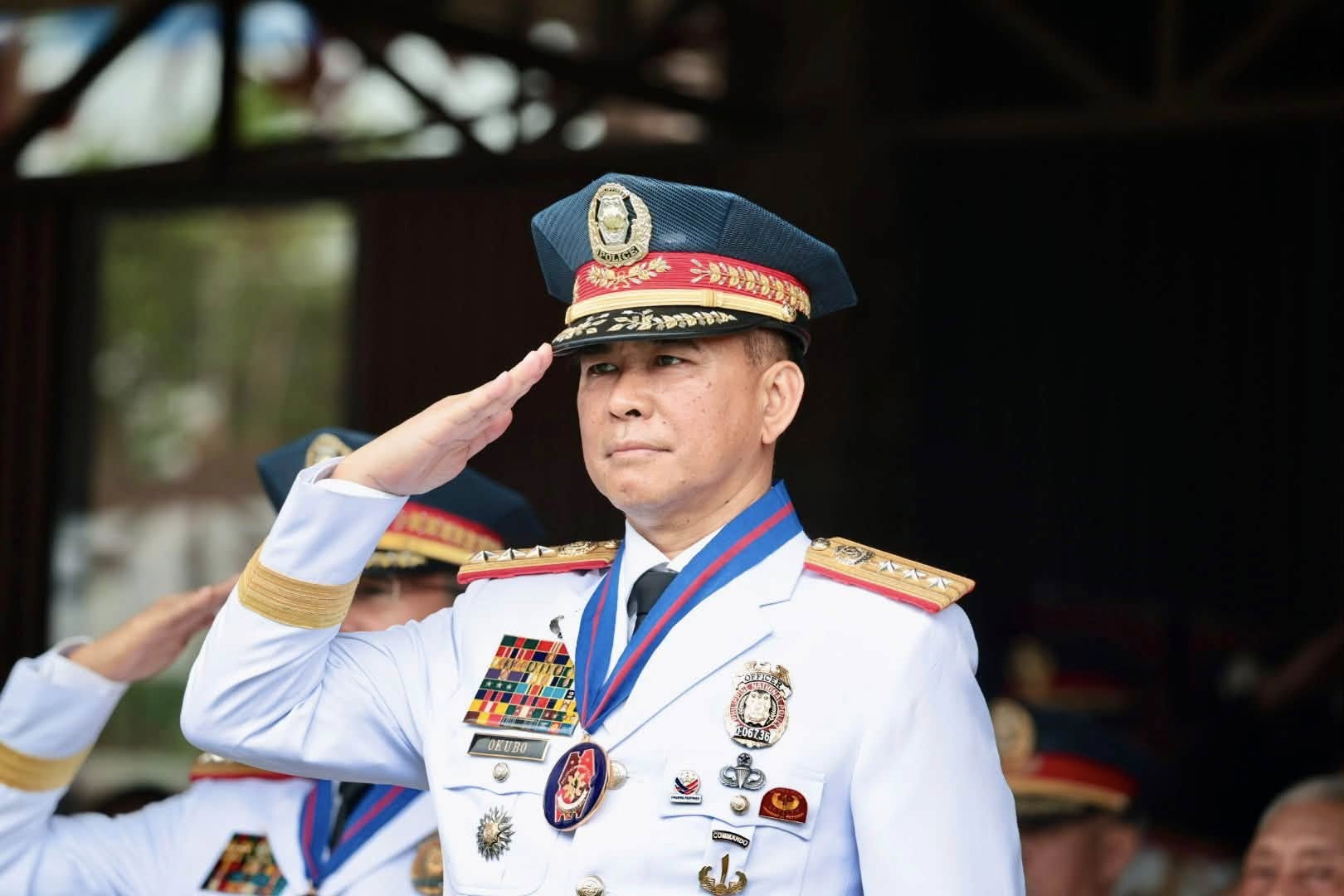
In the quiet grandeur of the Cordillera highlands, where mist settles over pine-covered mountains, the Philippine National Police (PNP) – Police Regional Office Cordillera Administrative Region (PRO CAR) paid final honors to one of its most accomplished leaders, Police Lieutenant General Edgar Alan O. Okubo, Deputy Chief PNP for Operations.
After 36 years and 20 days in the uniformed service, PLtGen Okubo formally retired on May 21, 2026, closing a career that spanned combat zones, intelligence operations, institutional reforms, and community-based policing initiatives that reshaped parts of the organization he served.
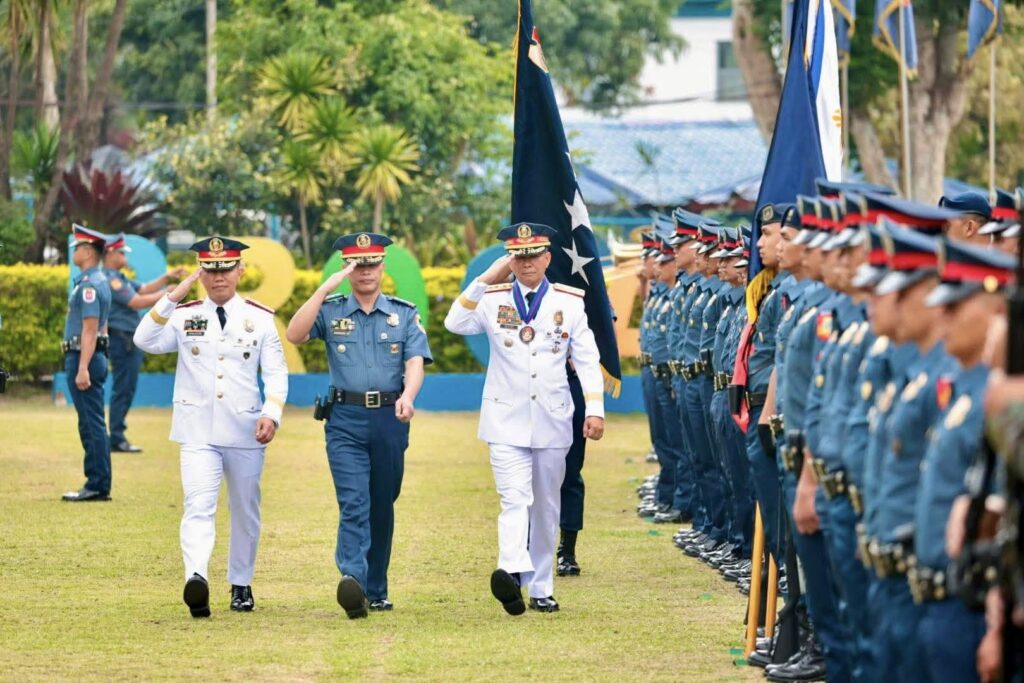
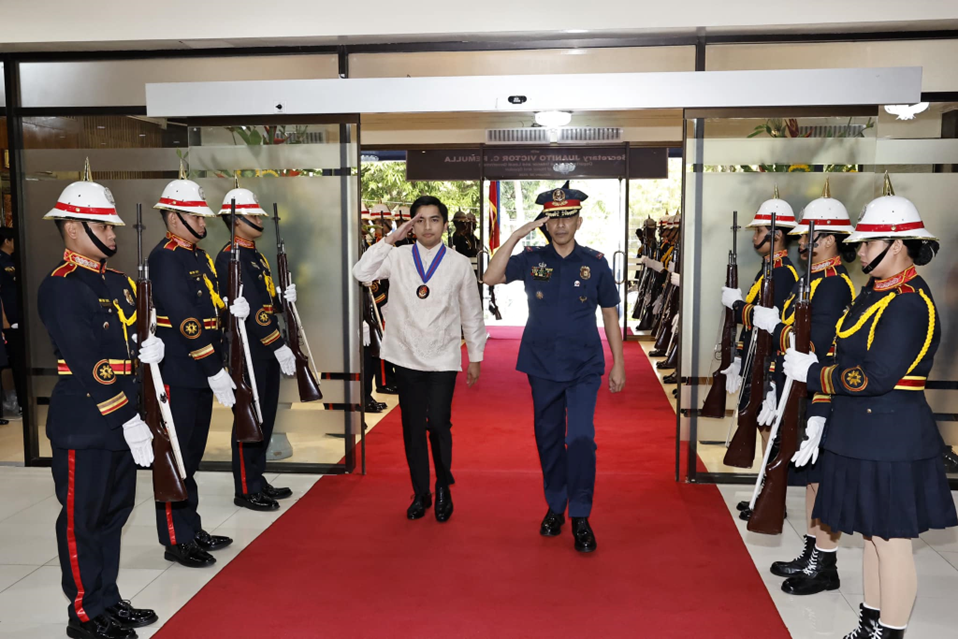
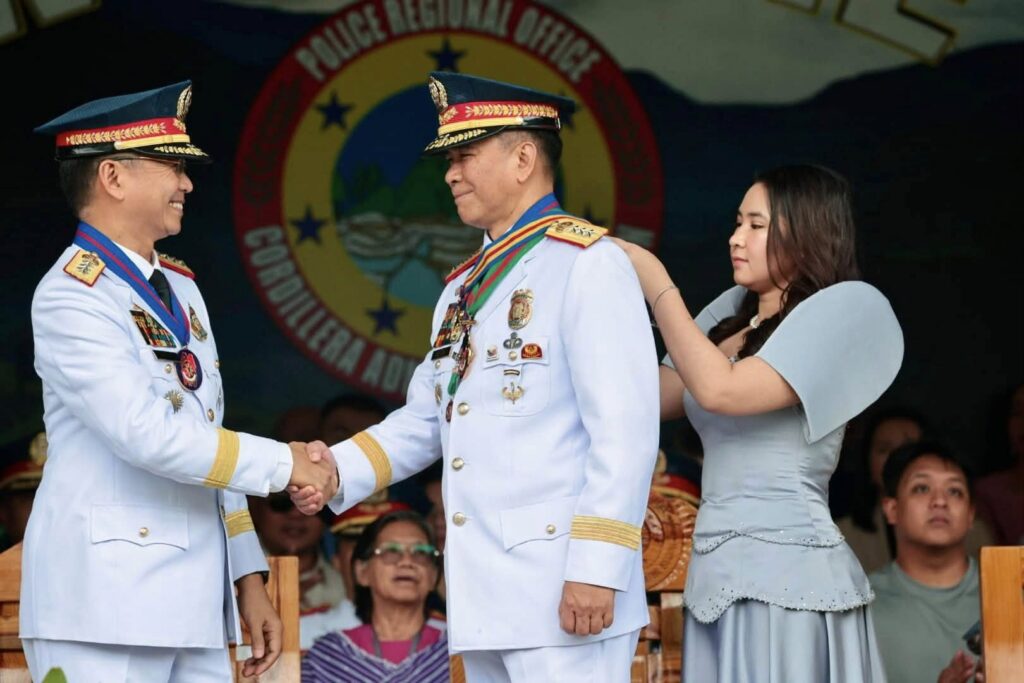
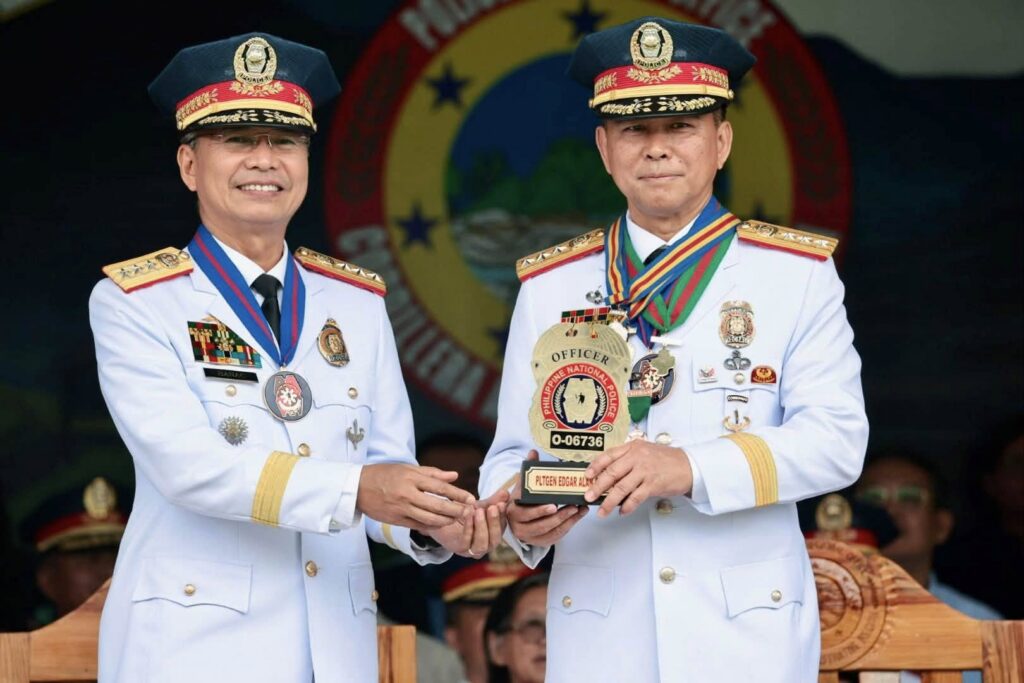
The retirement honors, held at the Masigasig Grandstand, Camp Major Bado Dangwa, were led by PLtGen Bernard M. Banac, Deputy Chief PNP for Administration, and attended by top officials of PRO CAR, Philippine National Police Academy classmates from the “Tagapagpatupad” Class of 1992, family members, and colleagues who witnessed the span and impact of his service. For many in attendance, the ceremony was more than protocol—it was a homecoming.
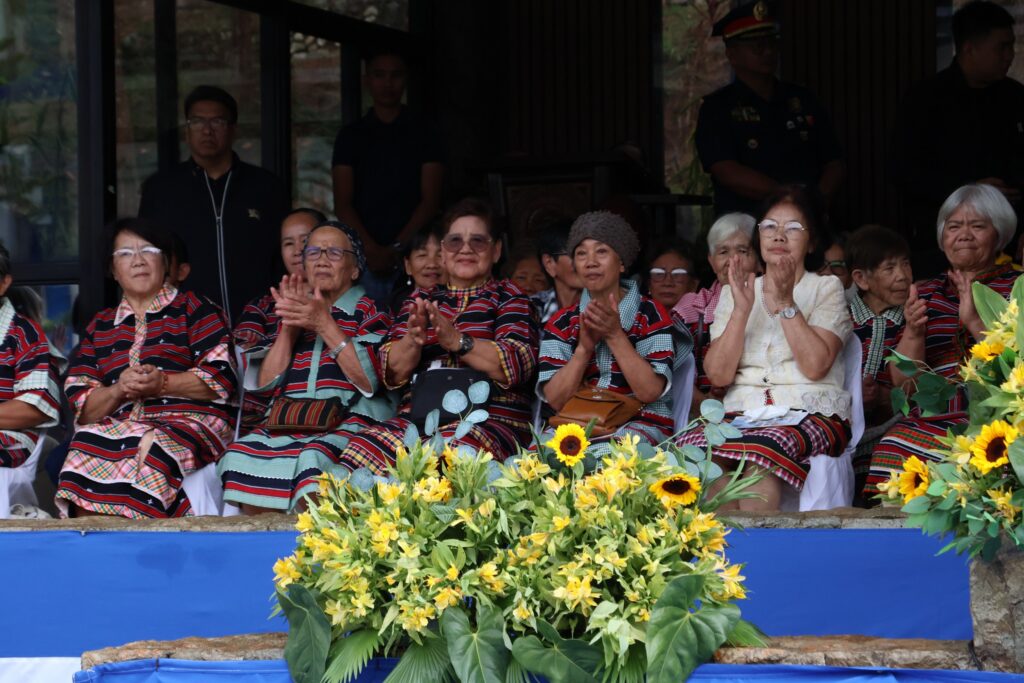
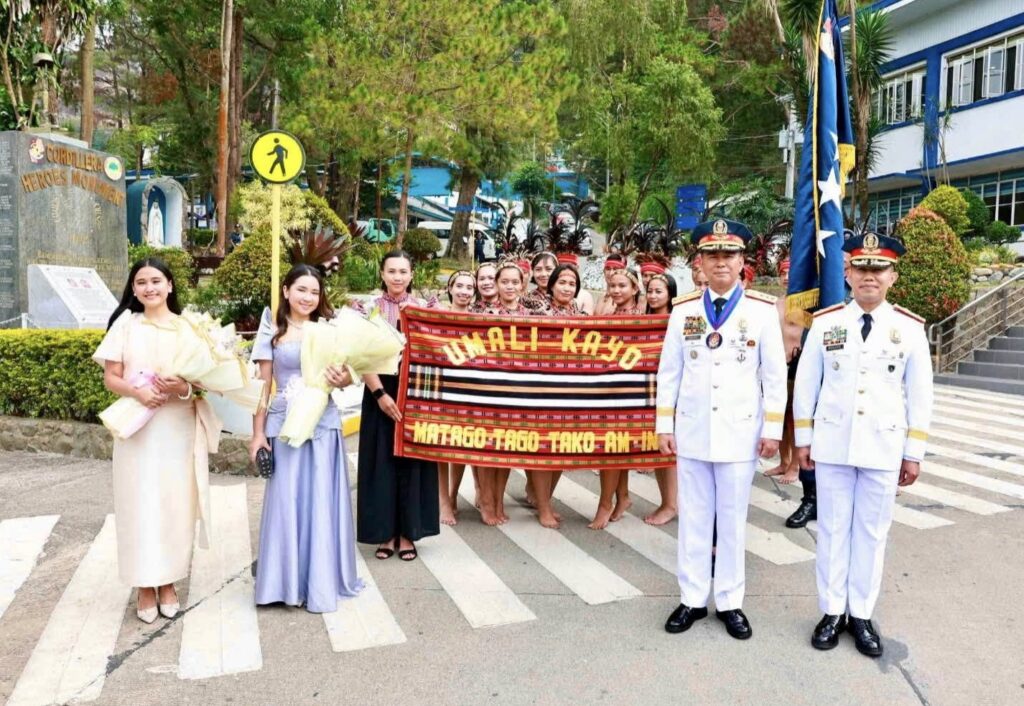
As he arrived, PLtGen Okubo and his family were welcomed by Police Brigadier General Ericson D. Dilag, Regional Director of PRO CAR, accompanied by gong beats and traditional Cordilleran dances. The ceremony symbolized the return of a son of Baguio City whose roots trace to Ibaloi, Kalanguya, and Ifugao heritage. What unfolded was a deeply personal moment set against decades of national service—an officer returning to the cultural foundation that shaped his identity.
In his message, PLtGen Okubo expressed his gratitude and deepest appreciation to his family, mentors, and colleagues who stood by him throughout his career in the organization. He also reflected on leadership philosophies grounded in mentorship and discipline, urging younger officers to consistently choose what is right over what is convenient.
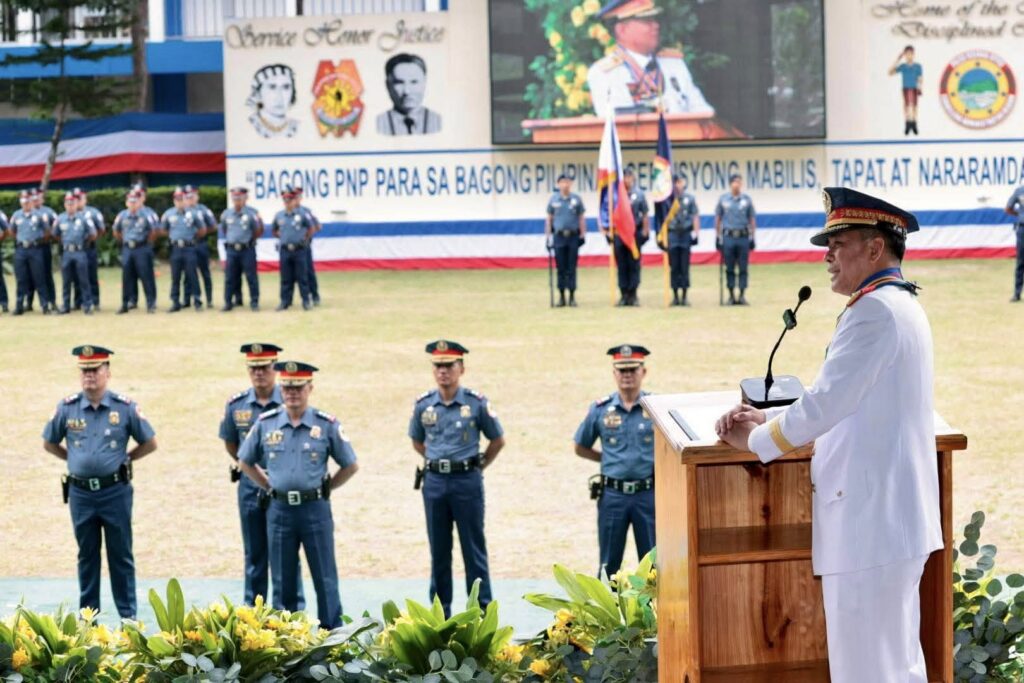
“A reminder on leadership and mentorship within our ranks: We must continue to guide, motivate, and mentor our junior police officers toward righteous deeds. True leadership means moving away from the mindset of ‘do what I say, not what I do.’ Let us consistently guide our juniors in doing what is right and honorable for the organization,” he said.
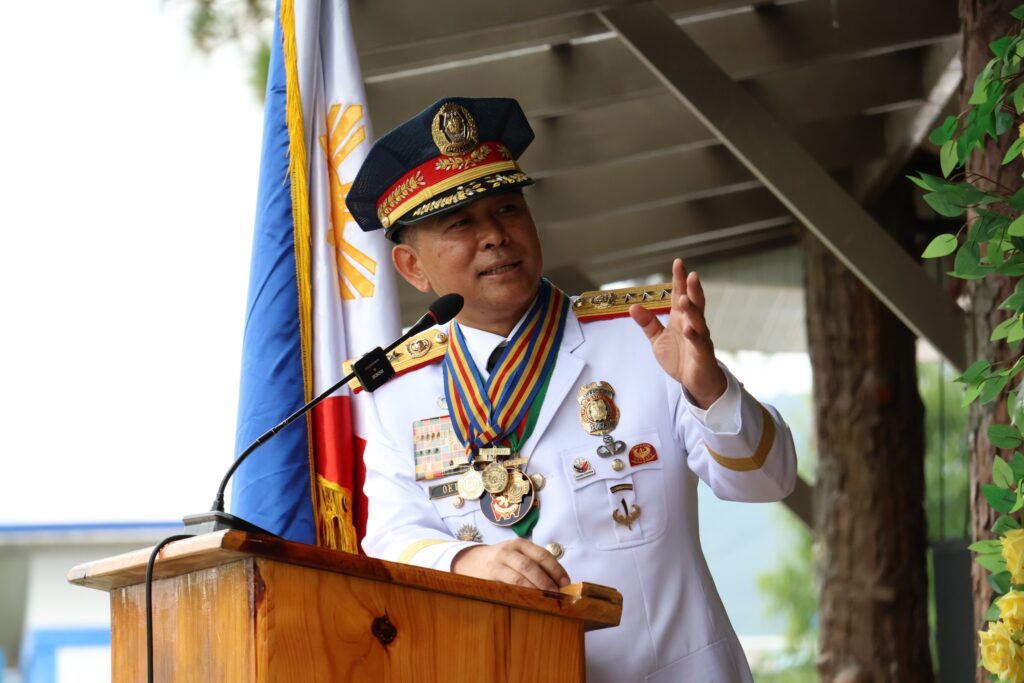
PLtGen Okubo began his career in 1992, entering service during a period marked by insurgency and internal security challenges. His early assignment with the 466th Mobile Force Company in Misamis Occidental placed him on the front lines of operations in Mindanao, where he engaged communist insurgent groups and criminal elements across several provinces.
His operational experience deepened when he joined the PNP Special Action Force (SAF), where he rose through the ranks and eventually became its Director—the first PNPA graduate to lead the elite unit. He also commanded specialized units such as the SAF’s 21st Special Action Company and its Deep Reconnaissance Company, conducting high-risk operations against insurgents and terrorist threats.
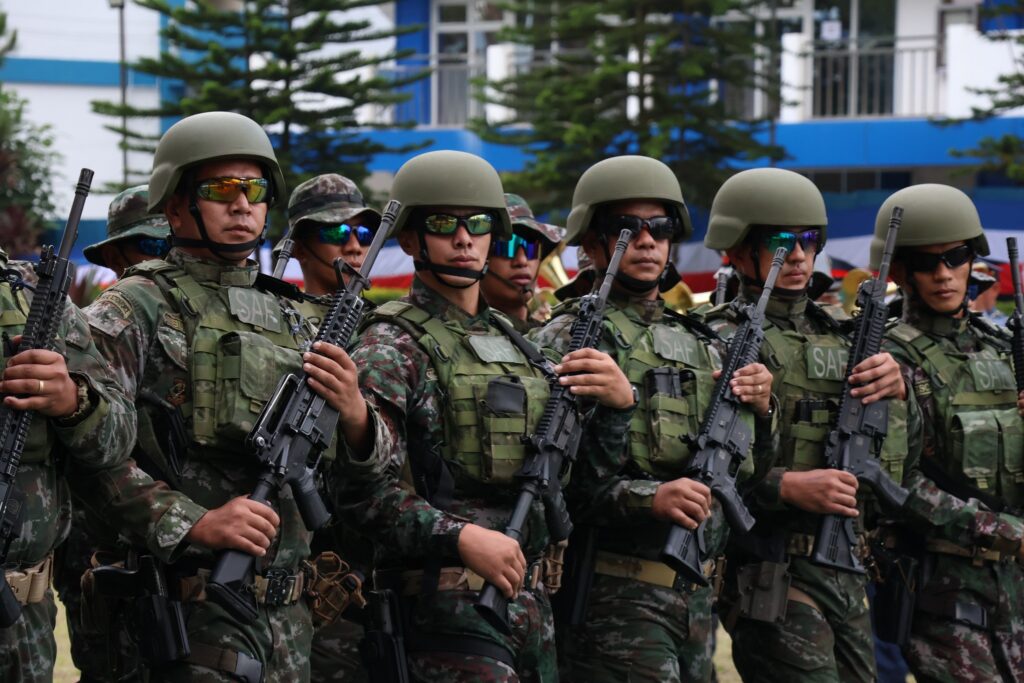
One of the most defining moments of his early career came in July 2000 in Alabang, Muntinlupa, where he led SAF troops in a fierce firefight against heavily armed suspects. Six were killed, two were captured, and then Police Senior Inspector Okubo himself was wounded in action. The encounter earned him the Medalya ng Katapangan and Medalya ng Sugatang Magiting, among the highest honors for bravery in the police service.
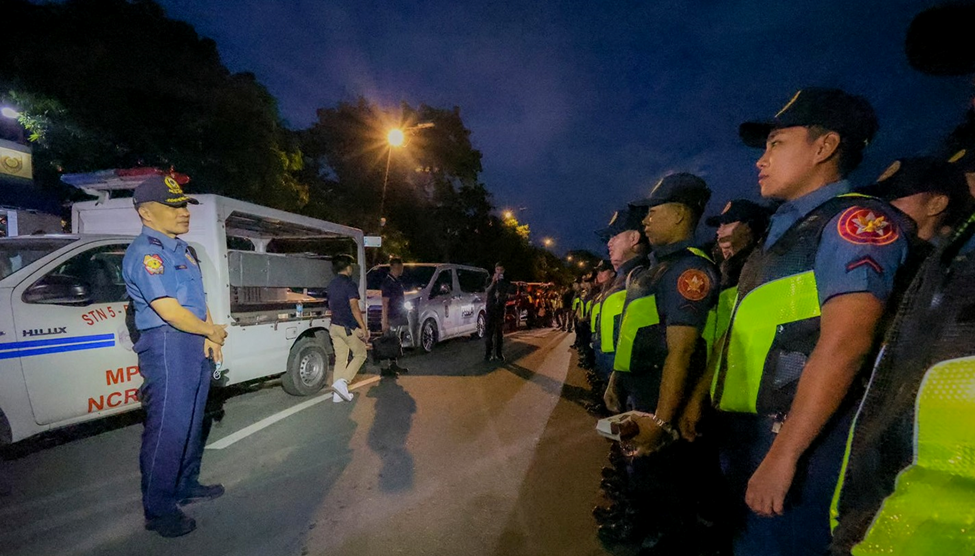
While field operations defined his early career, PLtGen Okubo later became associated with reforms that emphasized governance, accountability, and community engagement. As the Director for Police Community Relations and later as National Capital Region Police Office Regional Director, he institutionalized the Revitalized Pulis sa Barangay (R-PSB) program nationwide, embedding police officers directly in communities, particularly in geographically isolated and disadvantaged areas, to rebuild trust and improve access to government services. He also strengthened police visibility in Metro Manila, increased deployment levels, and introduced the Quality Service Lane (QSL), improving police services and public accessibility.
In the field of administrative and security reforms, he introduced the Online Personnel Accounting and Information System (PAIS), a digital solution that helps improve personnel accounting and prevent significant salary overpayments caused by delayed attrition processing. Later, as head of the Civil Security Group, he launched the Basic Information Collection and Analysis Seminar to enhance the capability of private security personnel to identify security threats.
By 2024, PLtGen Okubo had become Chief of the Directorial Staff, and in July 2025, he was appointed Deputy Chief PNP for Operations, the third-highest position in the organization. His leadership portfolio also included roles such as commander of the Joint Anti-Kidnapping Action Committee, reflecting the national-level breadth of his operational responsibilities.

Throughout his career, he earned numerous distinctions, including recognition as one of the Metrobank Foundation Outstanding Filipinos in 2013, recognition from the National Police Commission, and multiple civic and institutional awards.
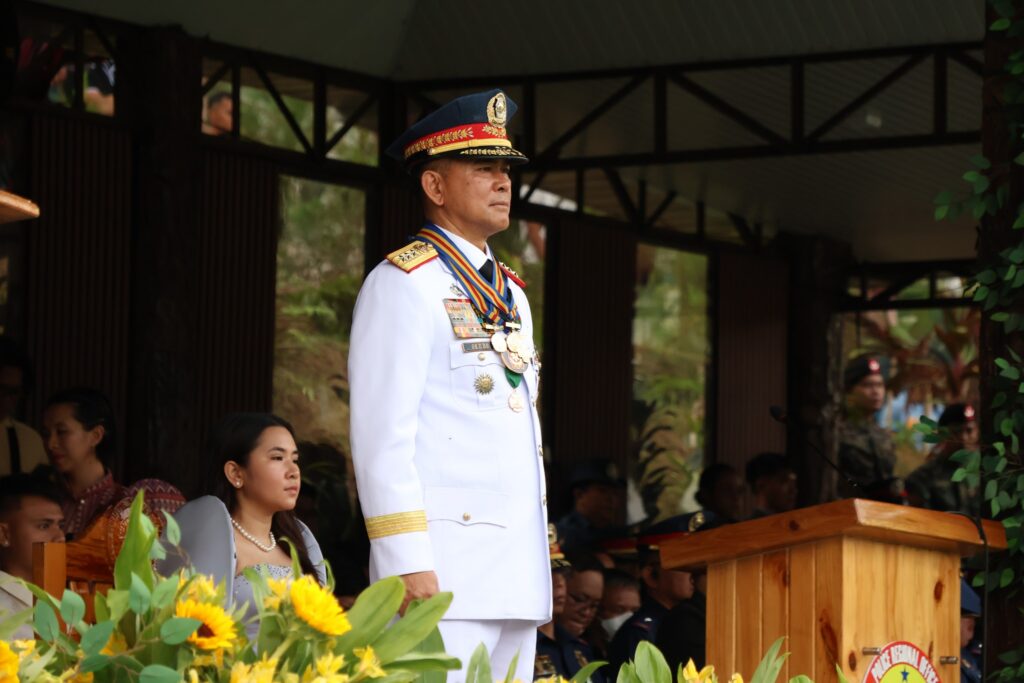
Despite his extensive record, PLtGen Okubo remained widely described within the service as the “Silent Police Officer,” a leader known not for spectacle, but for discipline, restraint, and operational precision. His retirement marks not only the end of a long career but the closing chapter of a leadership philosophy rooted in professionalism. Following the retirement of PLtGen Okubo, Police Major General Wilson Joseph Lopez assumed the post of Officer-in-Charge, Deputy Chief PNP for Operations, effective May 21, 2026.
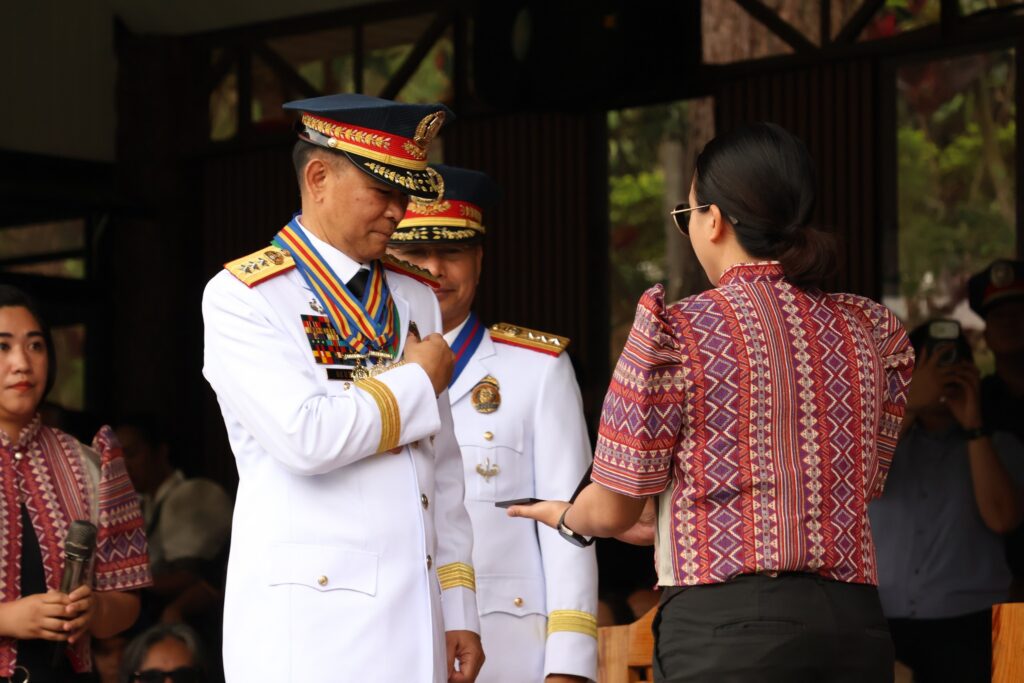
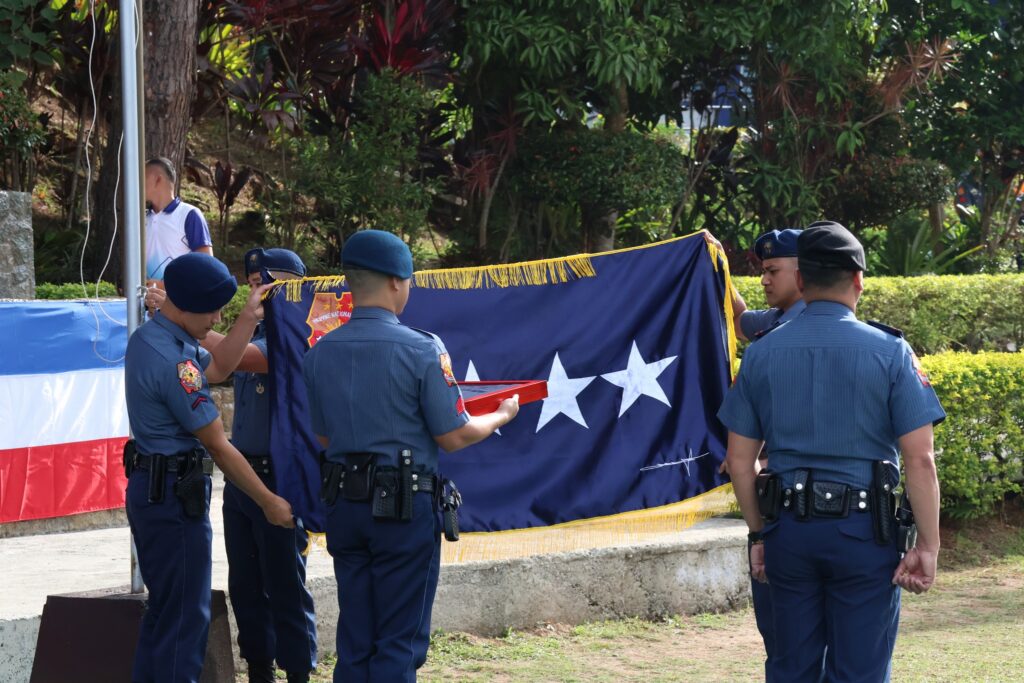
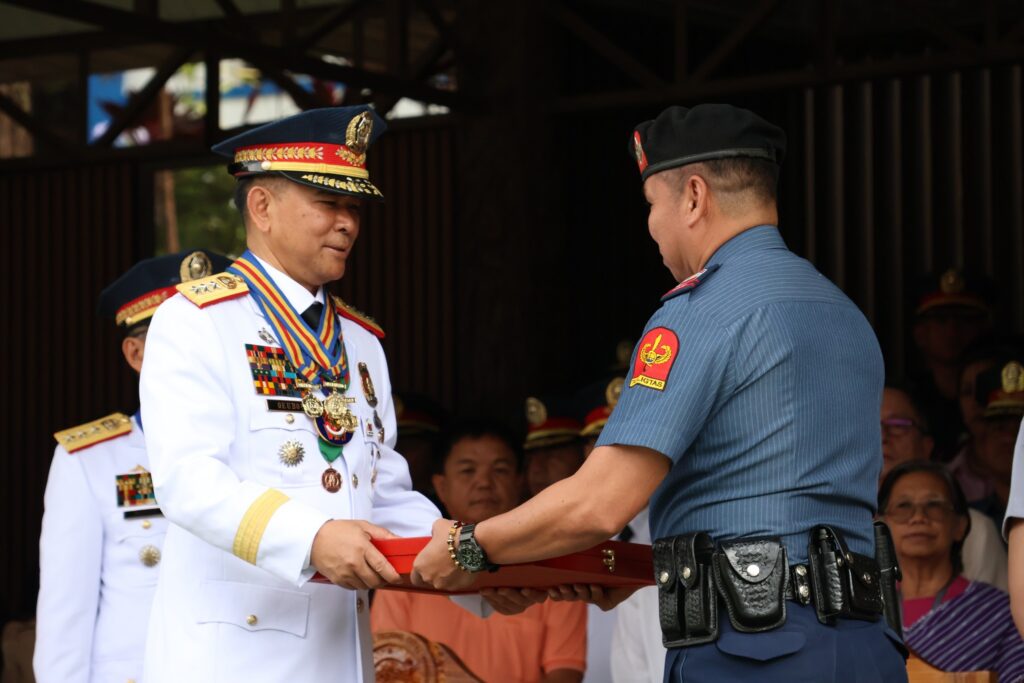
As the final ceremonial badge was handed over and his flag was formally encased, PLtGen Okubo’s 36-year journey came to a dignified close. He leaves behind a career defined not by loud declarations, but by steady execution—an officer who rose from the Cordillera highlands to the highest echelons of national policing and returned home, remembered not only as a general, but as a servant of quiet resolve.