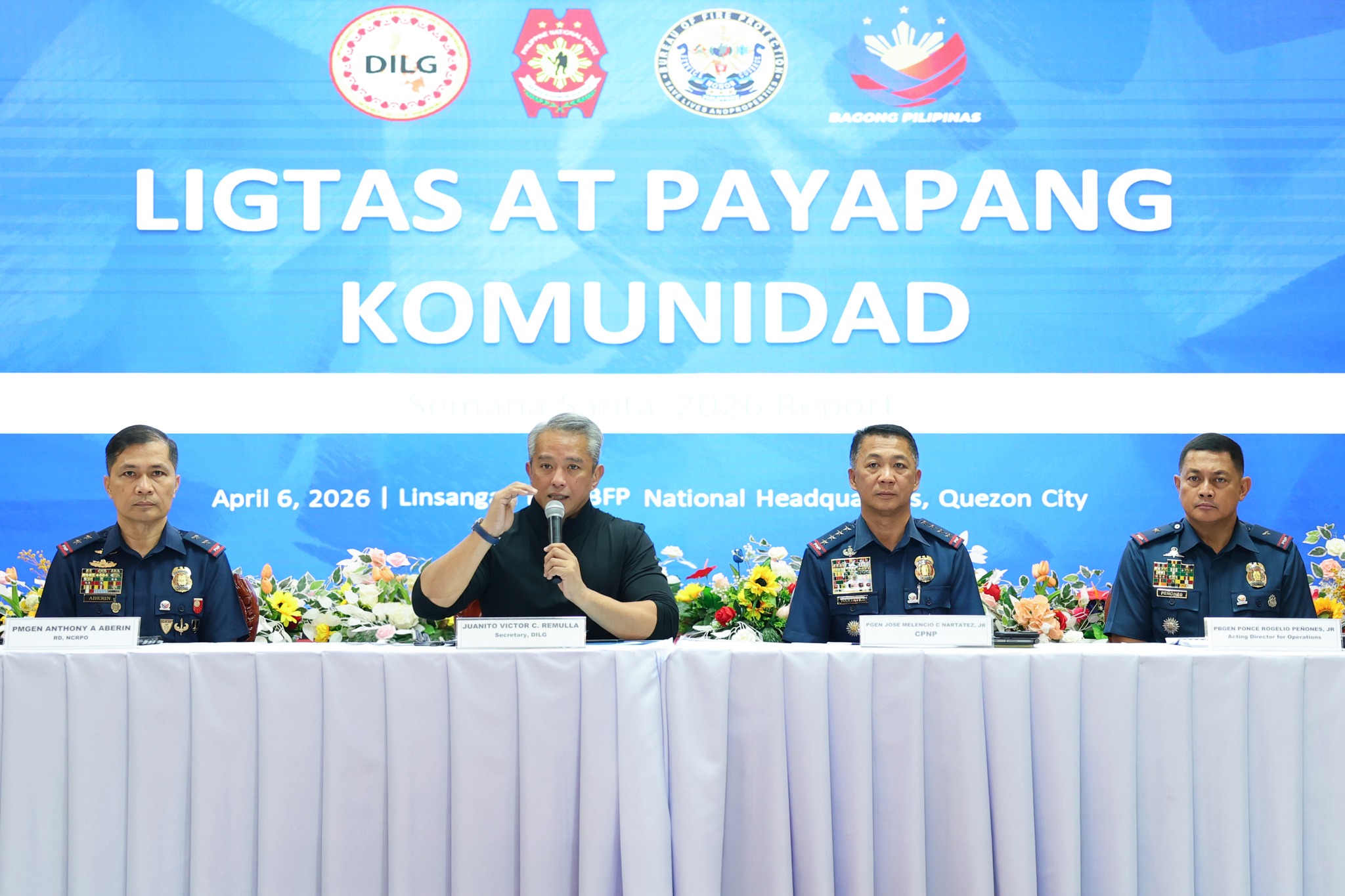
A safe community is not built by chance—it is built through discipline and a shared commitment between law enforcers and the public. Embracing this principle, the Philippine National Police (PNP) launched the “Safer Cities” initiative on April 6, 2026, in Metro Manila before expanding it nationwide. This initiative reflects a renewed focus on proactive policing, increased police visibility, and consistent law enforcement aimed at building responsible and orderly communities.
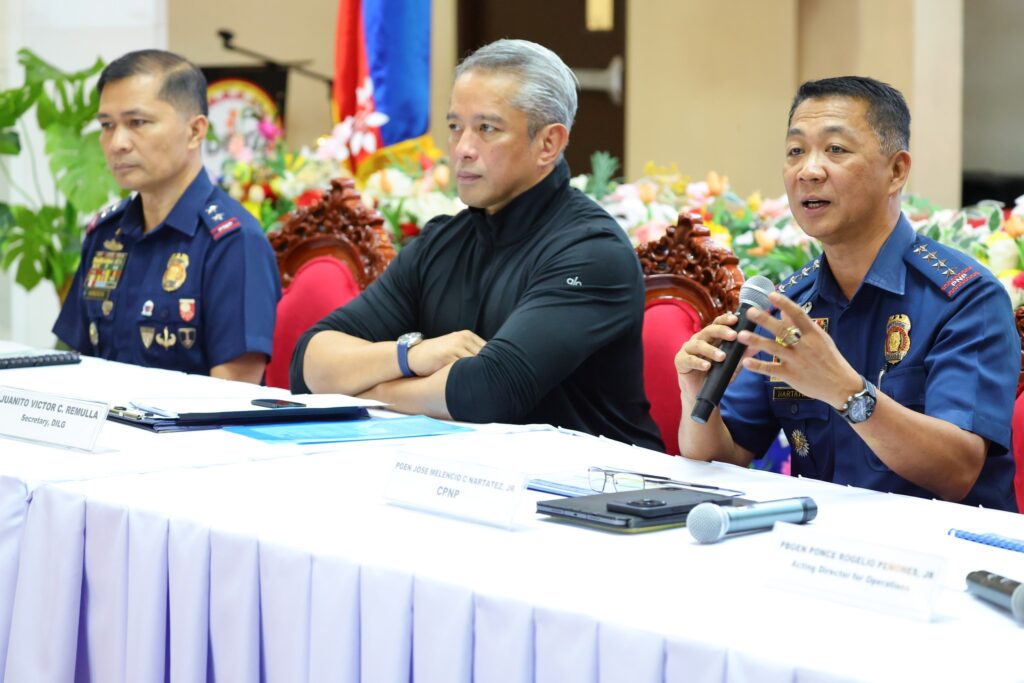
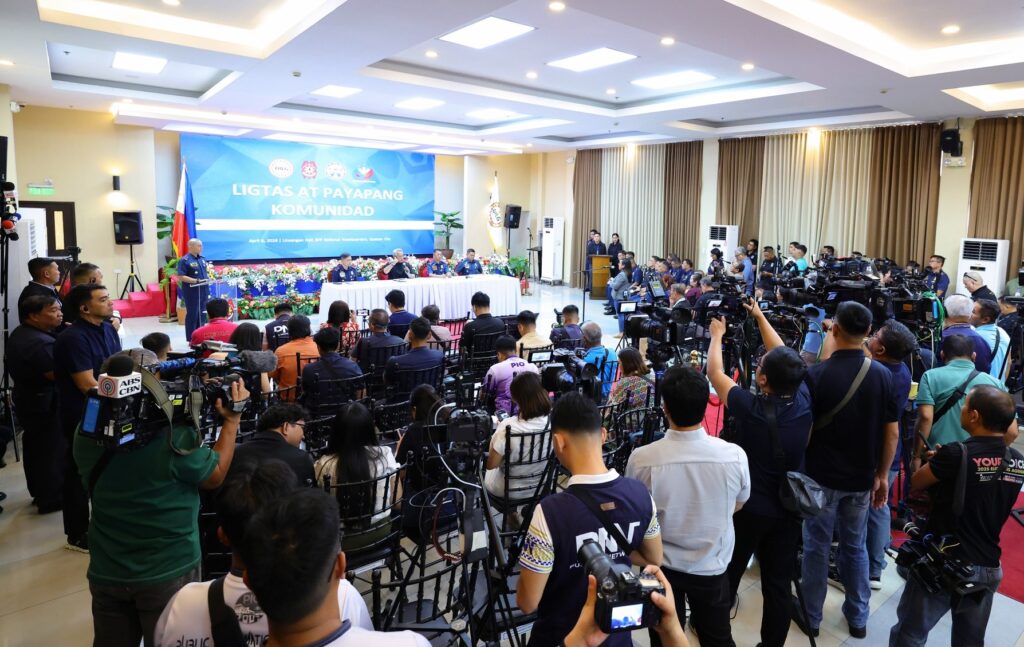
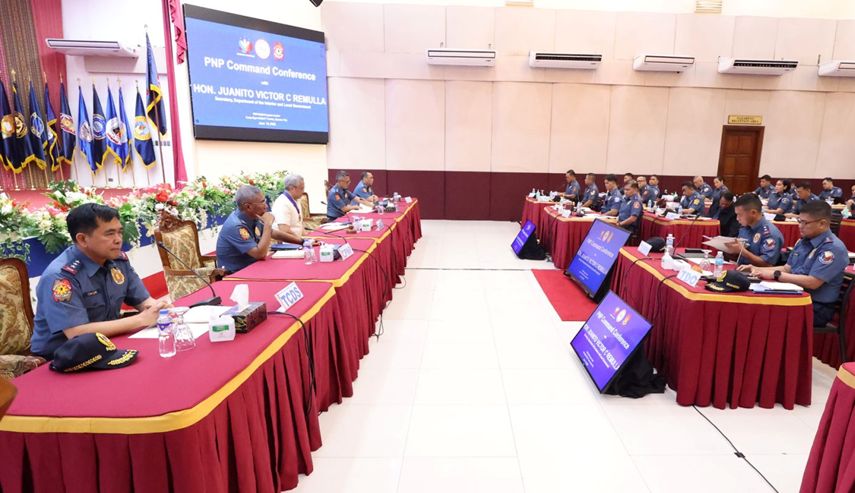
The program was formally introduced during a press briefing led by Secretary of the Interior and Local Government Juanito Victor C. Remulla, together with PNP Chief Police General Jose Melencio C. Nartatez Jr., Police Major General Anthony A. Aberin, Regional Director of the National Capital Region Police Office; and Police Brigadier General Ponce Rogelio I. Peñones Jr., Acting Director for Operations; along with other PNP officials.
Anchored on the PNP’s Focused Agenda under Enhanced Managing Police Operations, the initiative underscores a strong emphasis on preventive measures and community-based strategies, particularly in protecting students, commuters, and the general public in high-risk and high-traffic areas.
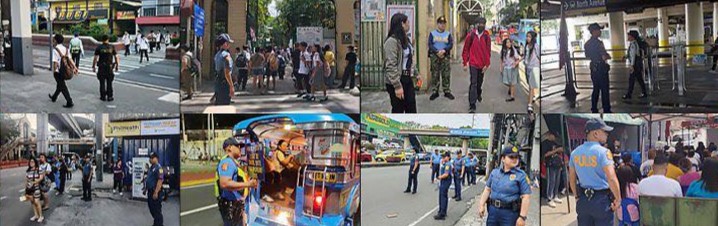
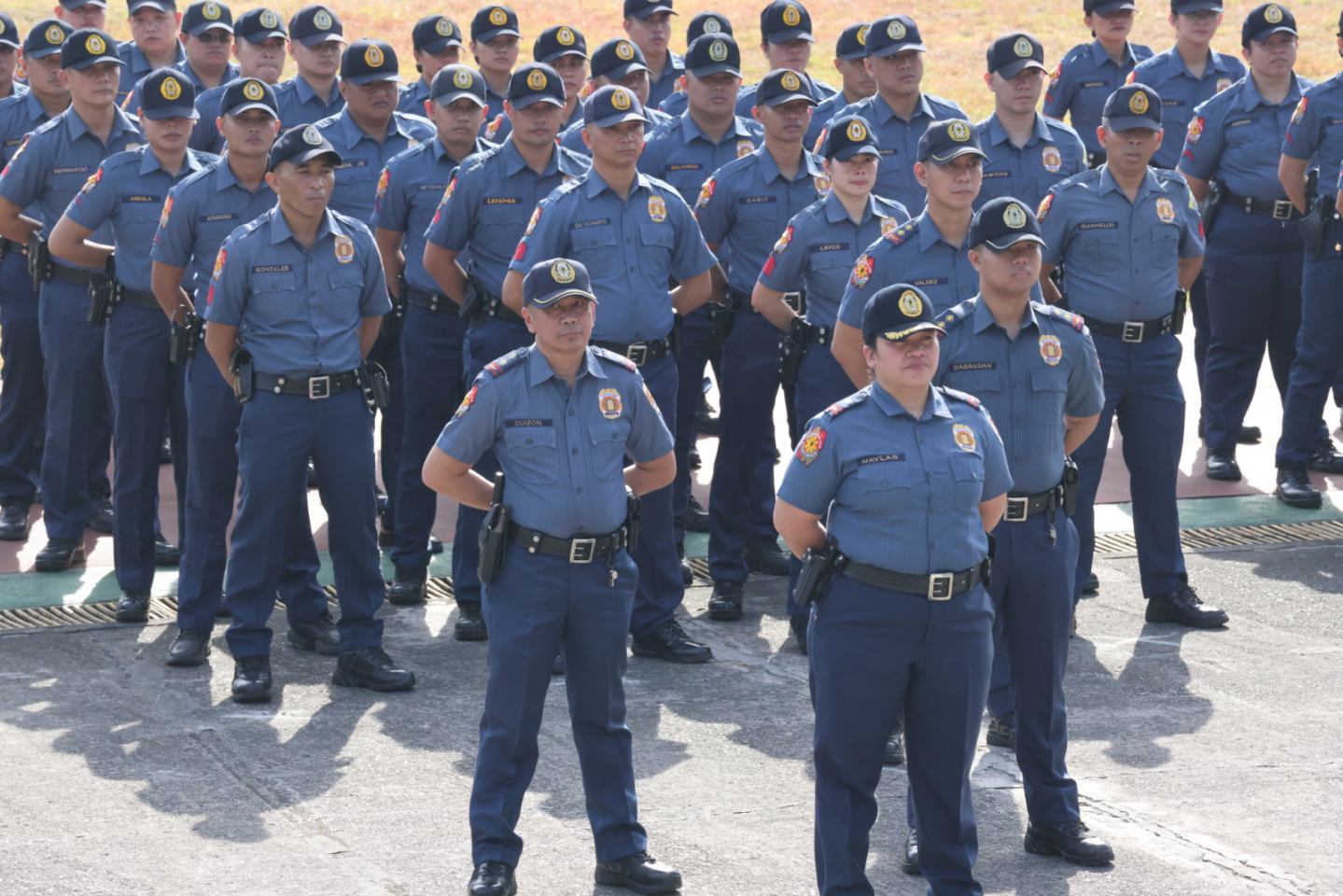
At the core of the “Safer Cities” initiative is the intensified deployment of police personnel, supported by force multipliers, in key areas such as schools, transportation hubs, business districts, and other areas of convergence. Law enforcers are tasked not only with maintaining peace and order but also with ensuring compliance with local ordinances, including curfew regulations, proper public decorum, and other rules that contribute to safer and more disciplined communities.
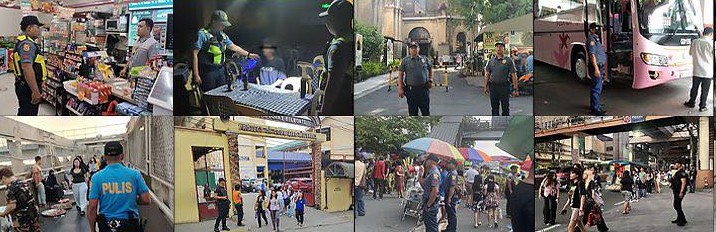
The deployment of personnel also extends to major gateways and public spaces, including airports, seaports, bus terminals, and MRT/LRT stations, as well as commercial centers and tourist destinations such as Bonifacio Global City, Makati, Pasay, and Parañaque. Police Assistance Desks and continuous patrol operations have been reinforced to provide immediate assistance in these areas.
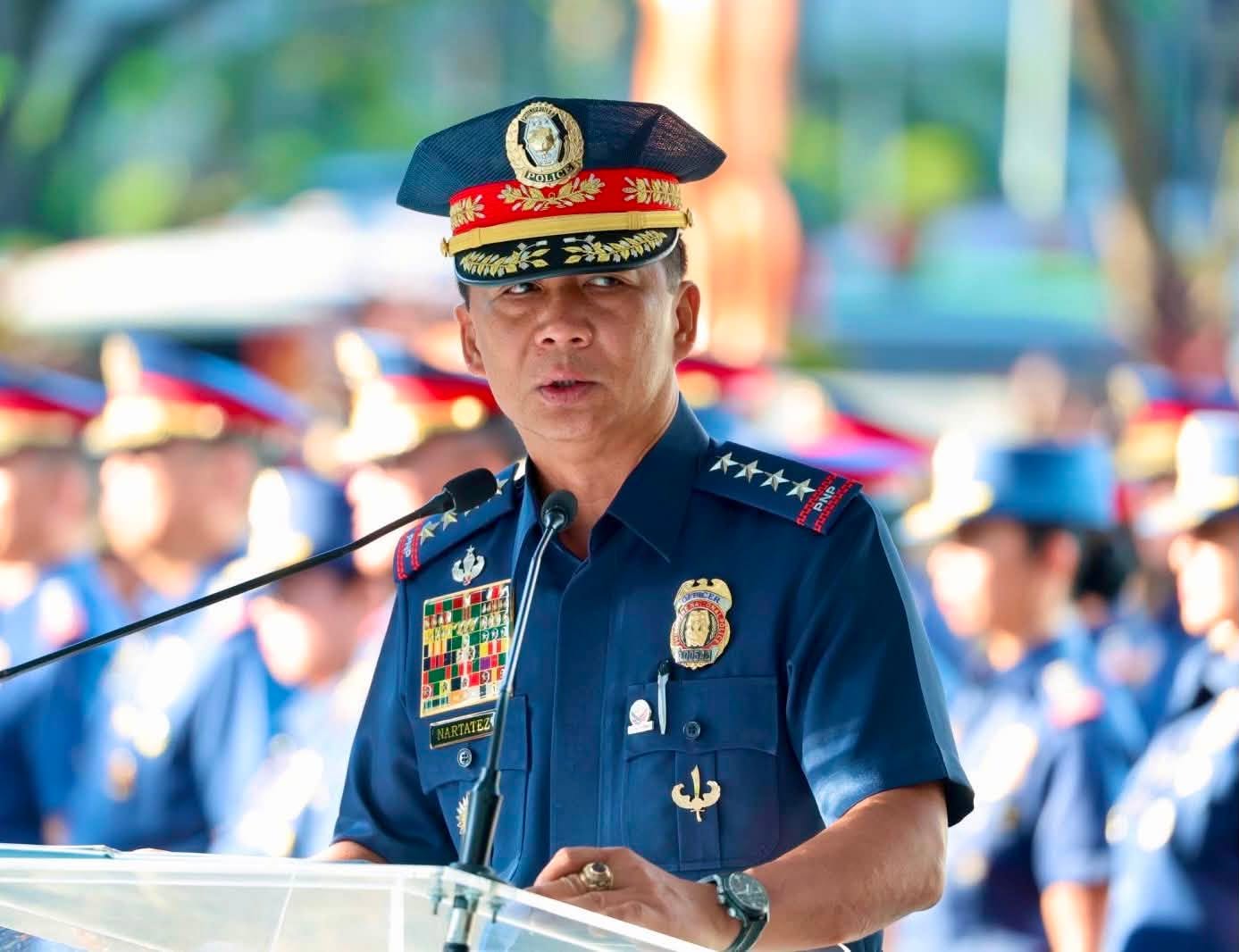
Highlighting the importance of police visibility, PGen Nartatez stressed that police presence will be further intensified in nightlife areas and other public spaces where violations commonly occur. He noted that curfew ordinances, particularly those involving minors, will be strictly implemented alongside measures to promote proper public conduct.
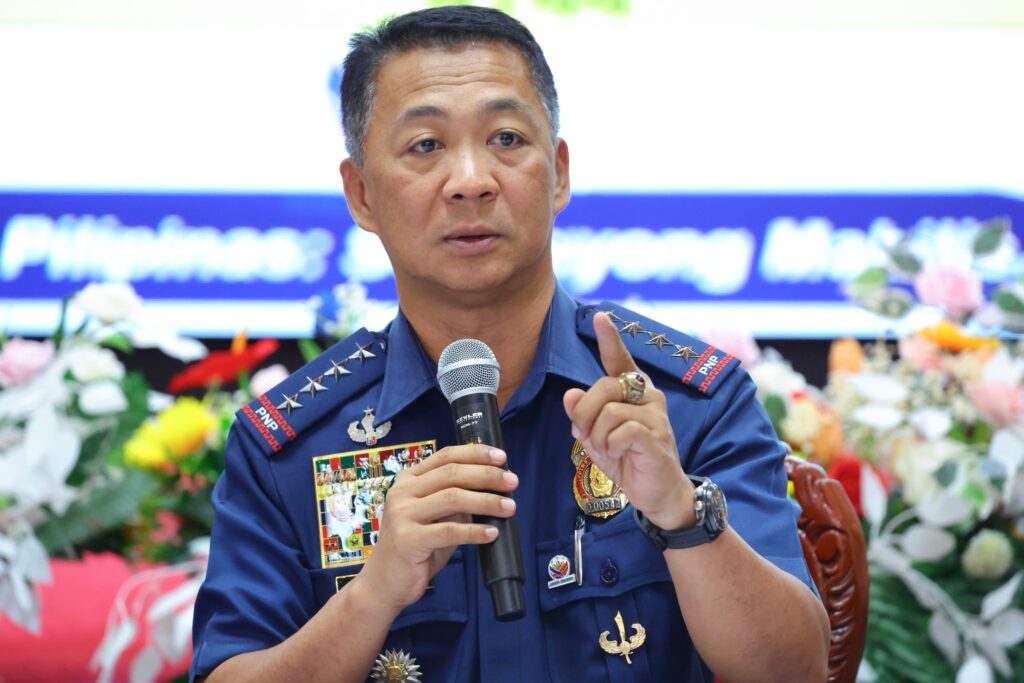
The PNP Chief underscored that the initiative is not solely about apprehension but also about guiding communities toward discipline and shared accountability. “This Safer Cities initiative reflects our dedication not only to enforcing the law but also to making every neighborhood safer and more livable,” he said.
The program’s initial results have already produced significant gains. On the first full day of implementation, local police units, including the Northern, Eastern, Southern, Quezon City, and Manila Police Districts, recorded thousands of ordinance violations. These cases largely involved violations such as drinking and smoking in public, roaming without shirts, curfew infractions among minors, and noise disturbances. While some violators were fined or formally charged, the majority were issued warnings or released, reflecting the PNP’s recalibrated approach that balances firmness with fairness in enforcing the law.
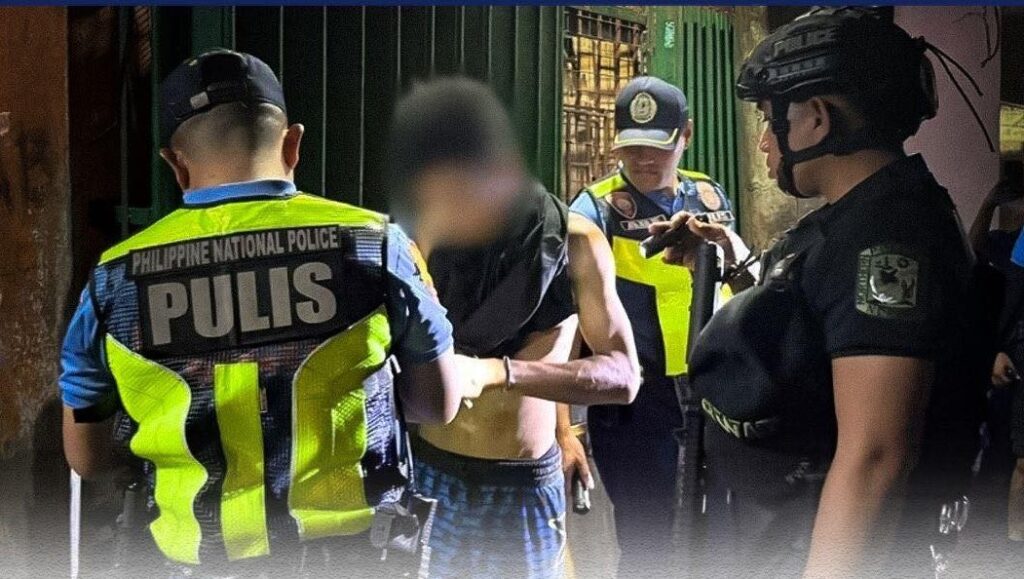
Sustained gains were further recorded within the first six days of implementation. From April 6 to April 11, PNP reported a total of 61,549 cases addressed as police units intensified visibility operations in coordination with local government units (LGUs) and barangay officials across the National Capital Region. The majority of violations involved drinking and smoking in public places, with 18,904 incidents; roaming without shirts at 5,894; minors violating curfew hours at 5,232; and karaoke beyond allowed hours at 1,276. Other ordinance violations accounted for 30,243 cases. In terms of case disposition, 39,205 individuals were warned or released, 21,317 were fined, and 1,027 cases were filed in court.
The PNP continues to urge the public to actively support the initiative by observing local ordinances, respecting curfew regulations, avoiding prohibited activities in public spaces, and adhering to traffic laws. Citizens are likewise encouraged to report violations or raise concerns regarding police conduct through emergency hotlines such as 911 and official PNP communication channels, ensuring transparency and accountability in all operations.
As the “Safer Cities” initiative moves toward nationwide implementation, PNP affirms that it will continue to evolve in response to public needs. Through sustained police visibility and a proactive approach to maintaining peace and order, the Nation’s Peacekeepers send a clear message: safer streets are not only a goal but a continuing mission in building more secure communities for every Filipino in pursuit of a safer Bagong Pilipinas.