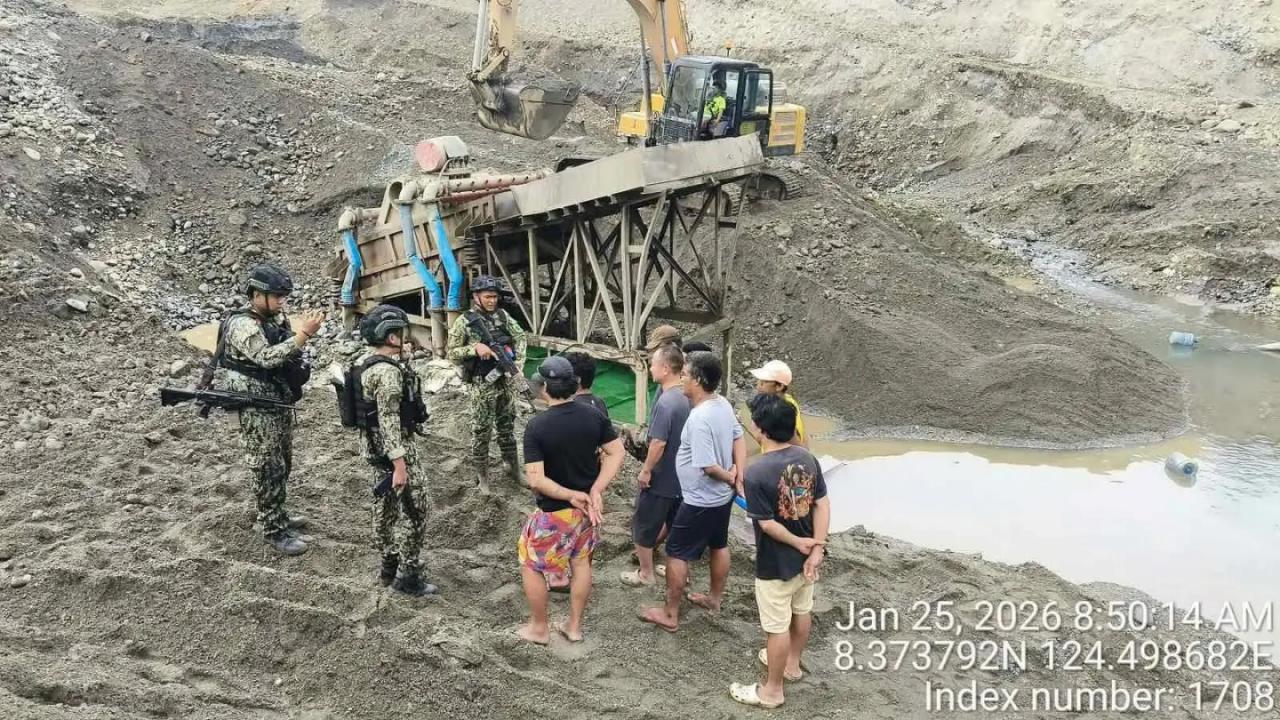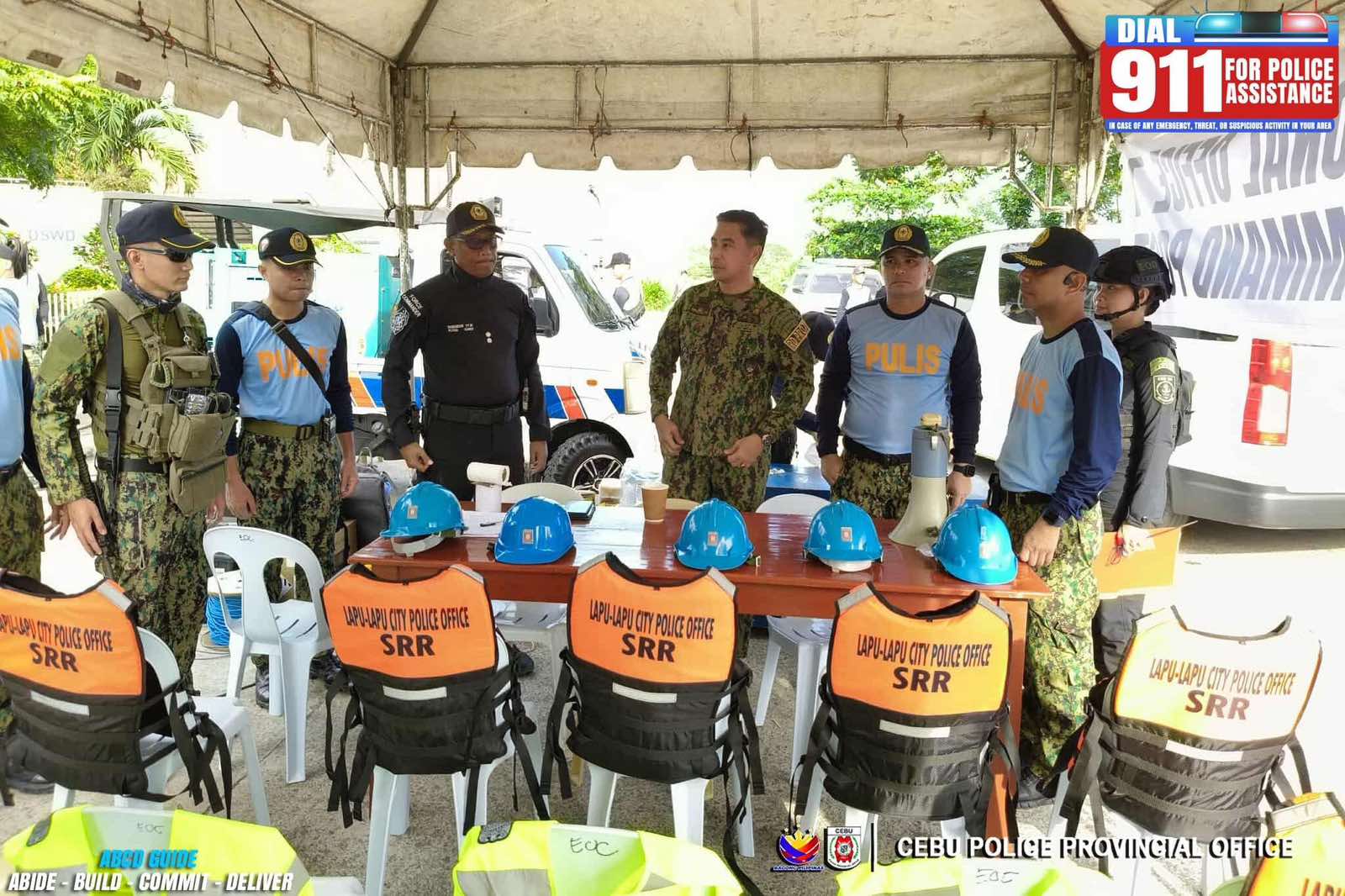
The month of September this year was really a test to the country’s resilience and disaster preparedness as numerous calamities devastated different parts of the Philippines. These disasters severely affected thousands of communities and livelihoods, damaged establishments, and worst, claimed lives. Typhoons have ravaged towns and cities, followed by a destructive earthquake—all within a span of one week.
In response, the government led by its primary agencies, including various Local Government Units (LGUs), launched a nationwide disaster response and relief operations, maximizing all the available resources to address the needs of the affected residents. Similar move was also taken by the Philippine National Police (PNP) under the leadership of Police Lieutenant General Jose Melencio C. Nartatez Jr., Acting Chief, as it ordered its Police Regional Offices (PROs) to activate their respective Disaster Incident Management Task Group to respond within their areas of responsibilities.
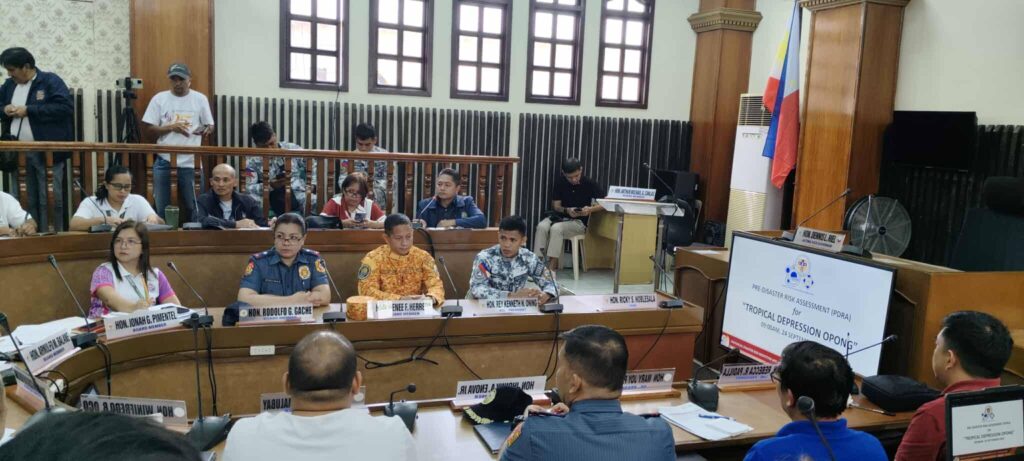
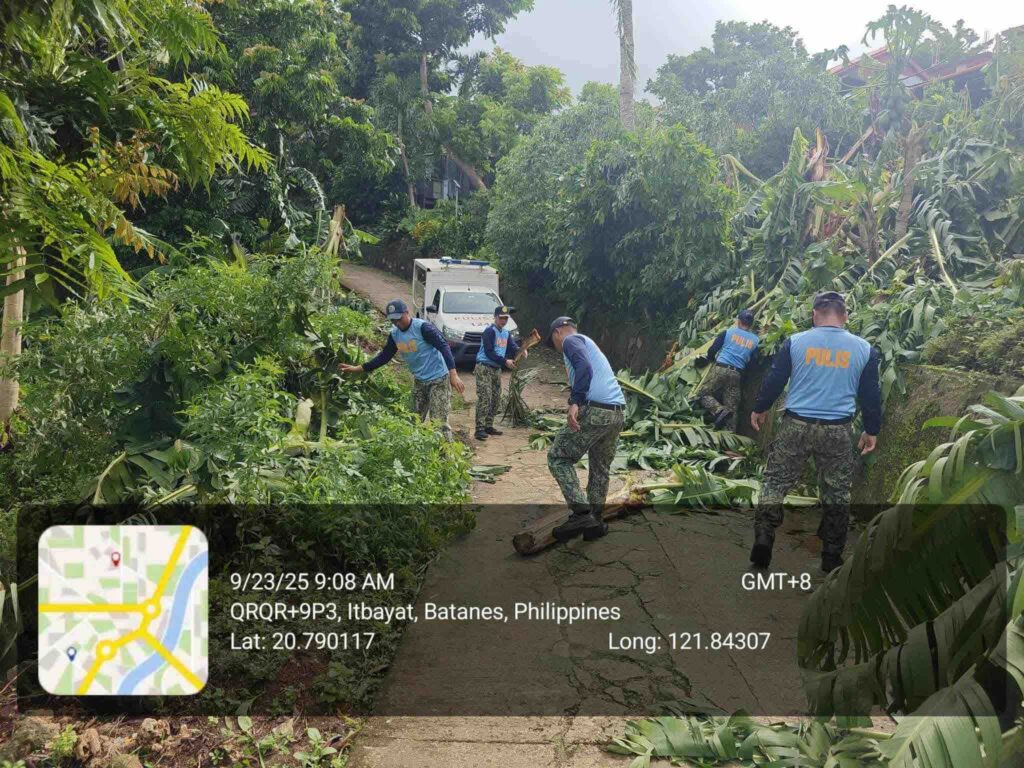
On September 24, following the onslaught of Super Typhoon Nando (international name “Ragasa”), PNP had immediately deployed about 9,000 police personnel to assist the LGUs and other government agencies in disaster response measures nationwide.

According to PLtGen Nartatez, about 3,500 PNP personnel, together with more than 5,000 members of the PNP Reactionary Standby Support Force (RSSF) were strategically deployed to typhoon-stricken areas such as in Regions 1, 2, 4A, and the Cordillera Administrative Region, to conduct search, rescue, and retrieval operations, provide humanitarian aid, and assist in evacuation and relief efforts.
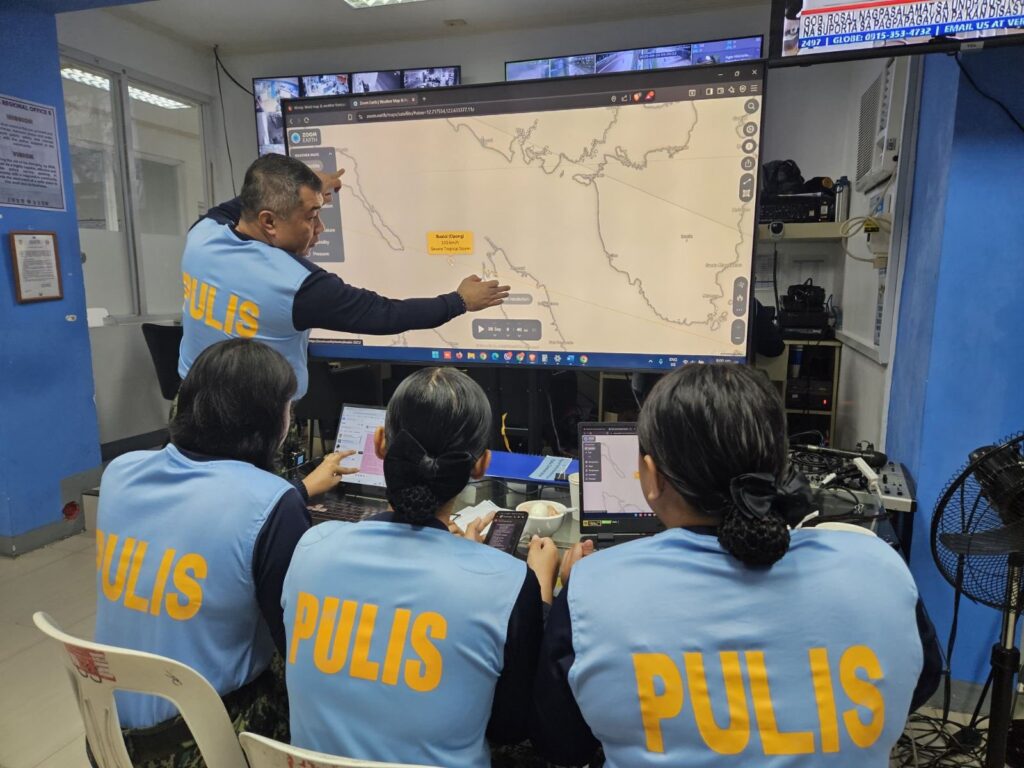
The next day, another typhoon had struck the country, this time in Southern Luzon and parts of the Visayas regions. Severe Tropical Storm Opong (international name Bualoi) made its first landfall in Eastern Samar on September 25, and in Masbate on September 26. Subsequent landfalls later occurred in Romblon and Oriental Mindoro.
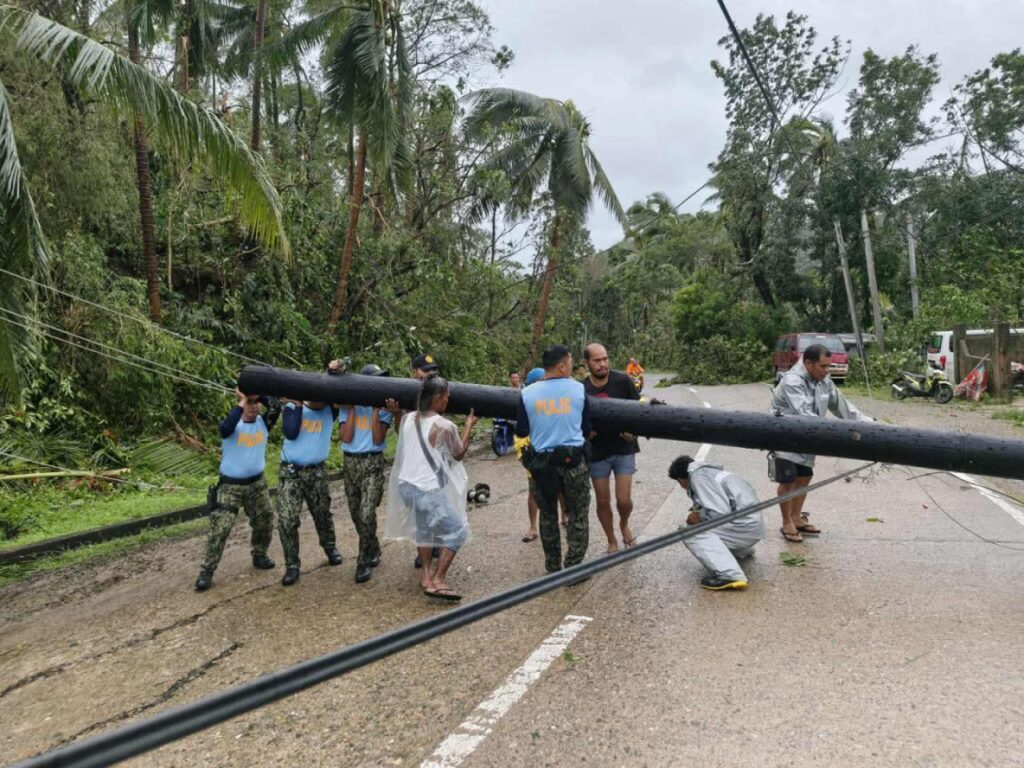
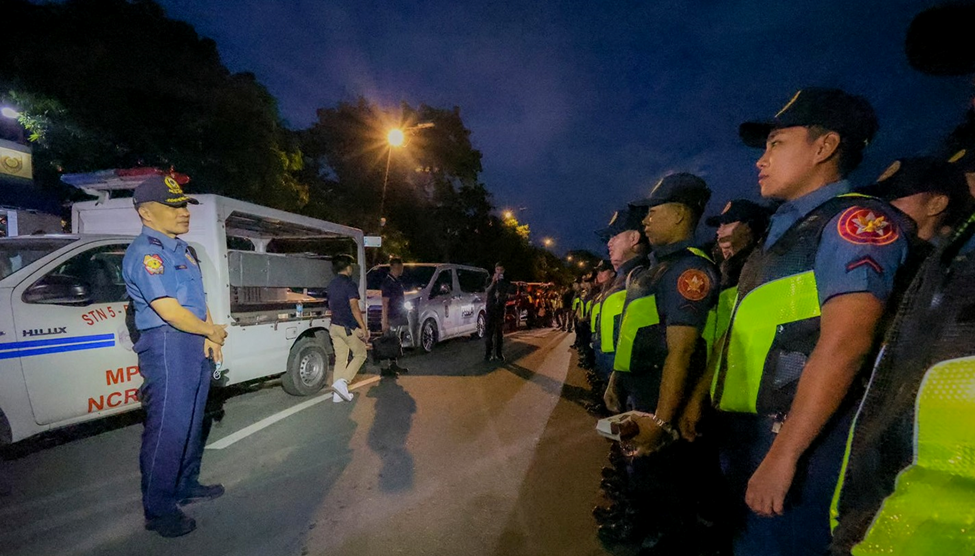
As Typhoon Opong continues, PNP through its Sub-Committee on Natural Disaster, had also mobilized about 7,554 police personnel from PROs 1, 2, 3, 4A, 4B, 5, 6, 7, 8, 13, the Negros Island Region (NIR), and NCRPO. They were deployed on the ground to conduct search, rescue and retrieval missions. An additional 11,118 members of RSSF were placed on standby to assist in clearing operations and relief distribution.Police units continued to collaborate with local governments in managing over 32,000 evacuation centers, 3,587 of which, as of this writing, are still sheltering nearly 600,000 individuals.
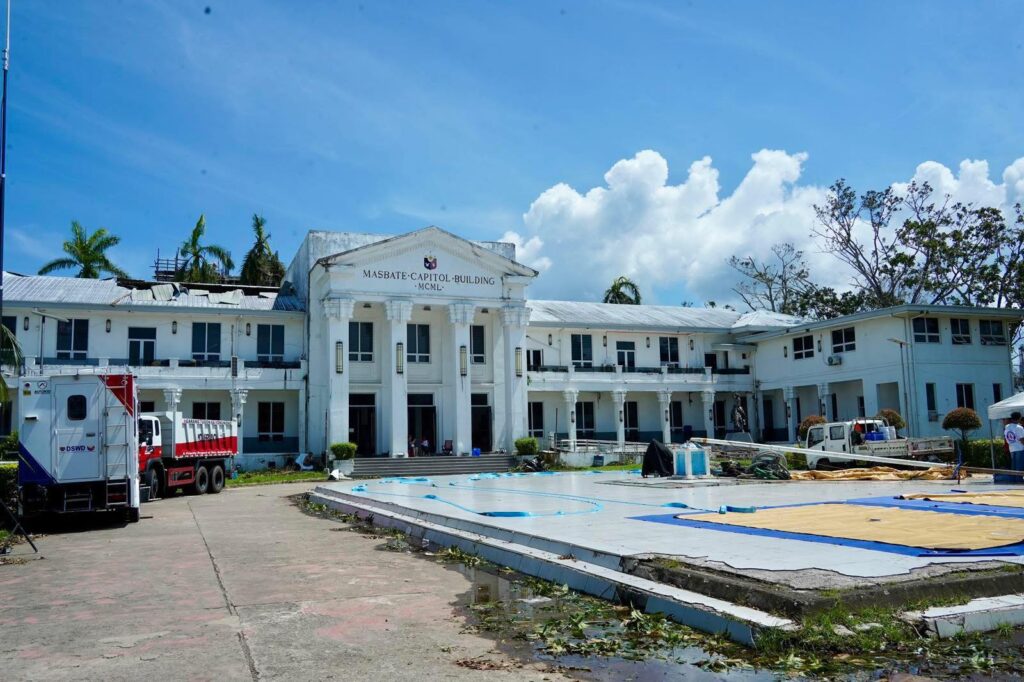
PNP rescue teams had successfully completed 47 search, rescue, and retrieval operations, saving 6,627 individuals, and had conducted 27 relief missions, reaching nearly 2,000 beneficiaries in Regions 6, 7, 8, and 13.
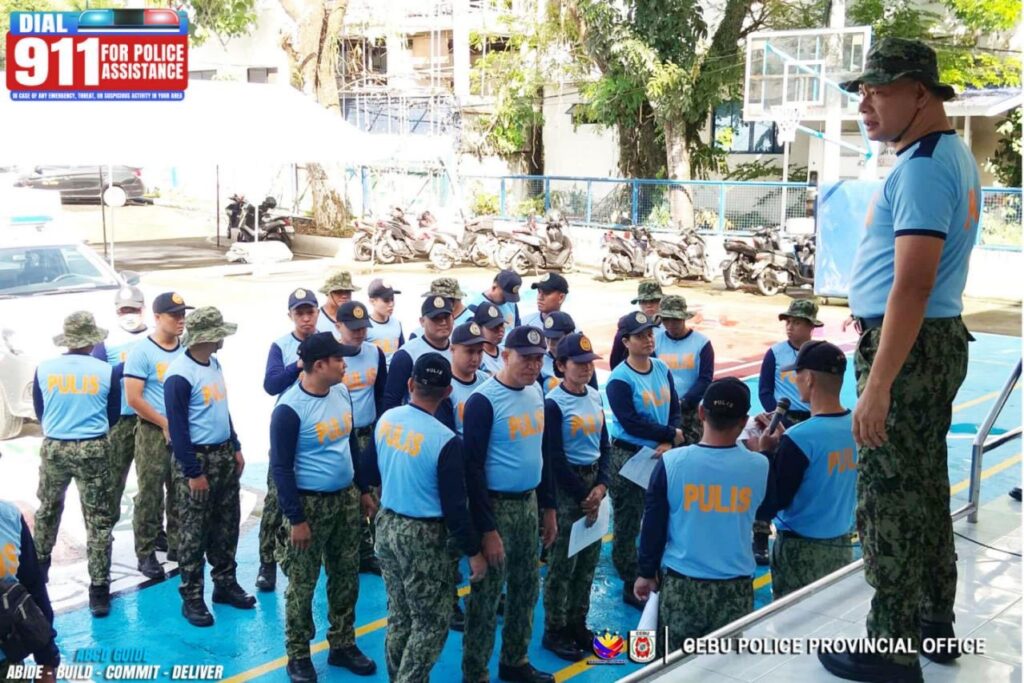
“Even as Typhoon Opong moves away, our mission is not over. We remain on the ground to help communities recover, restore order, and ensure that every family receives the assistance they need,” said PLtGen Nartatez.
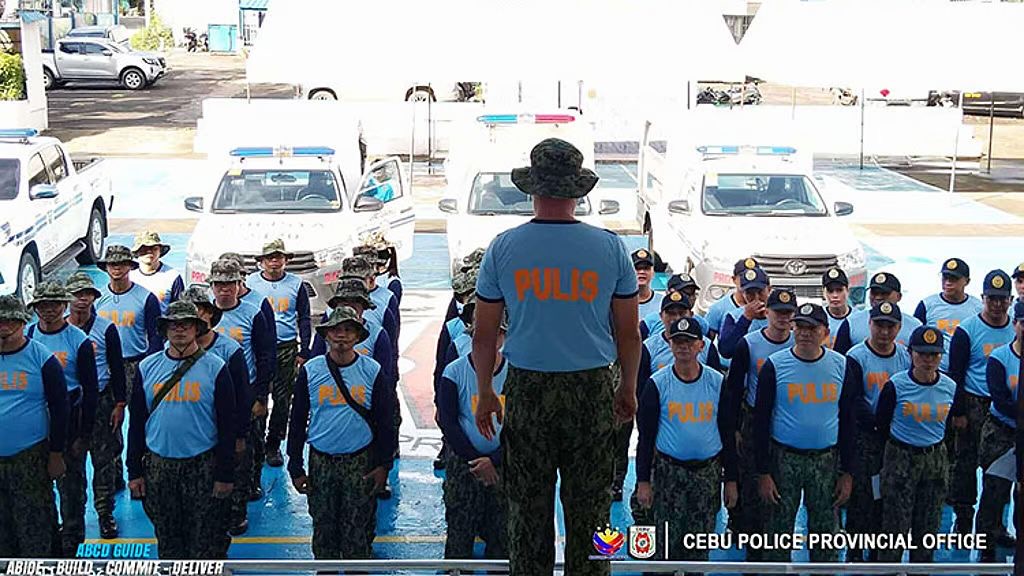
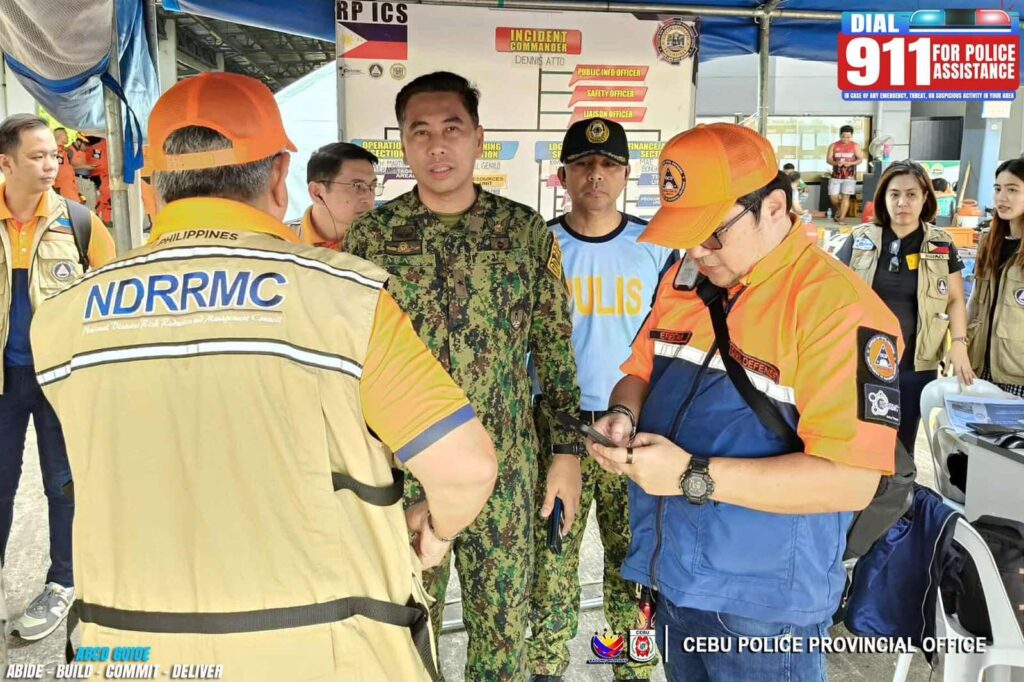
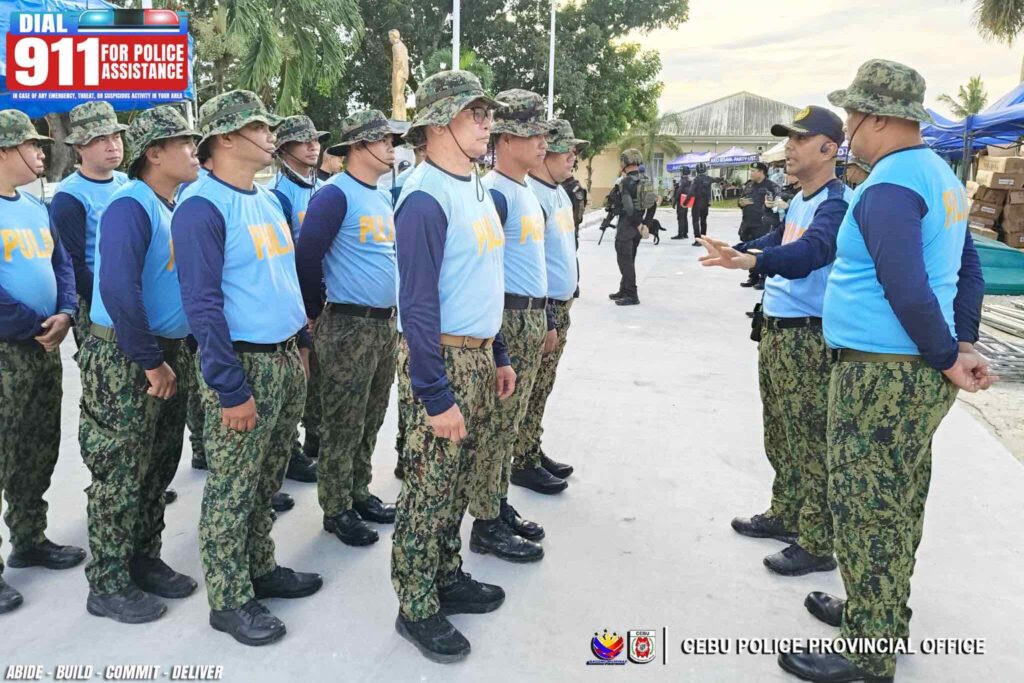
The police force’s immediate response continued as a massive 6.9 magnitude earthquake had hit the island of Cebu on the evening of September 30. As of 11:00 AM on October 1, a total of 1,356 PNP personnel have been deployed across affected areas to ensure public safety, assist in disaster response, and provide security support to local communities. This was in full support of President Ferdinand R. Marcos Jr.’s call for swift, coordinated, and compassionate government action to the earthquake victims in Central Visayas.
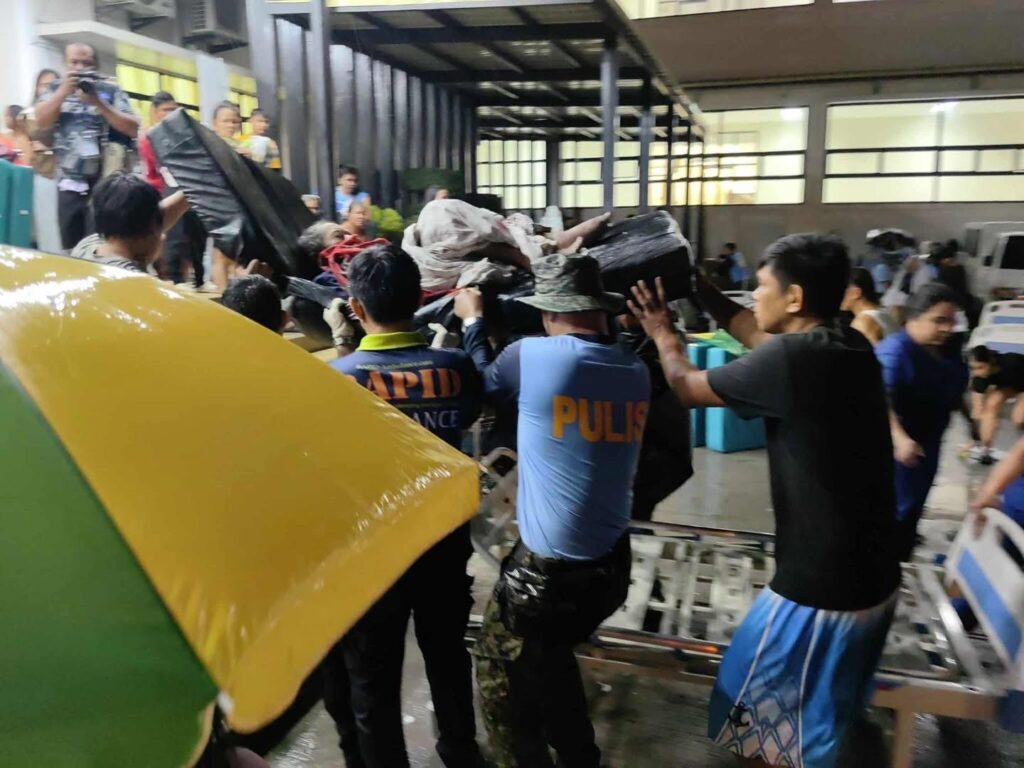
Current police deployment includes 348 personnel in Cebu City Police Office (CPO), 294 in Lapu-lapu CPO , 363 in Cebu Police Provincial Office (PPO), 143 in Bohol PPO, 100 in Regional Mobile Force Batallion 7, 50 from Regional Headquarters of PRO7, and 7 from Regional Medical and Dental Unit. PNP had also confirmed the activation of 1,457 evacuation centers, with one located in Cebu PPO, where 9 families or 33 individuals are taking temporary shelter.
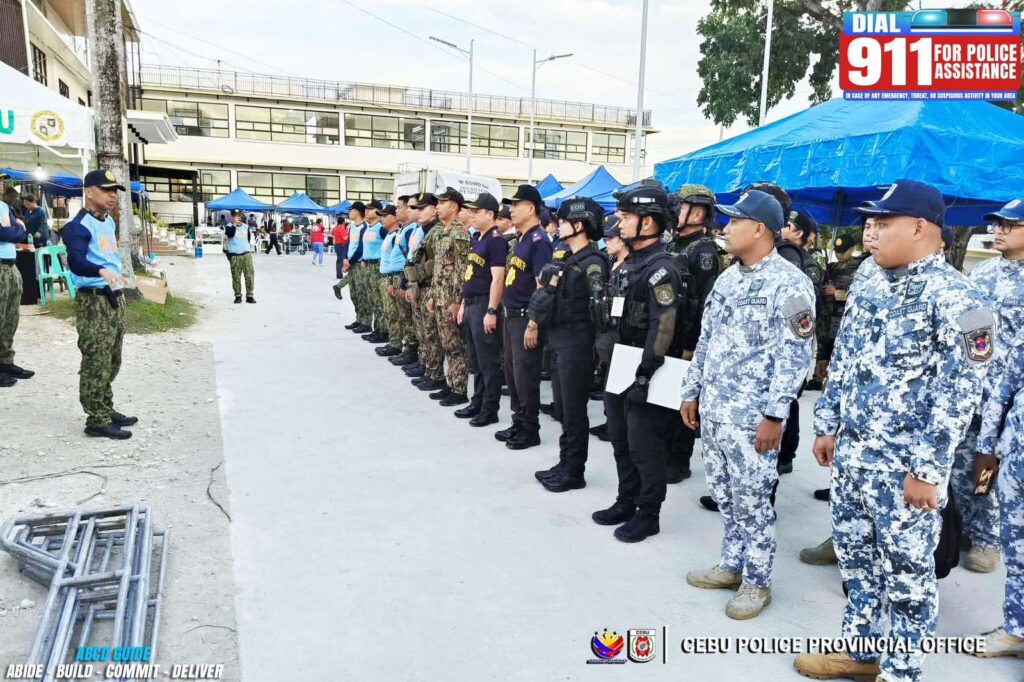
The Acting PNP Chief assured the public of the PNP’s readiness to stand alongside communities during this difficult time. “Our personnel are on the ground not only to secure affected areas, but also to extend a helping hand to families in need. The President’s marching order is clear—government must be felt where it matters most, and your police force is committed to delivering on that mandate,” PLtGen Nartatez added.
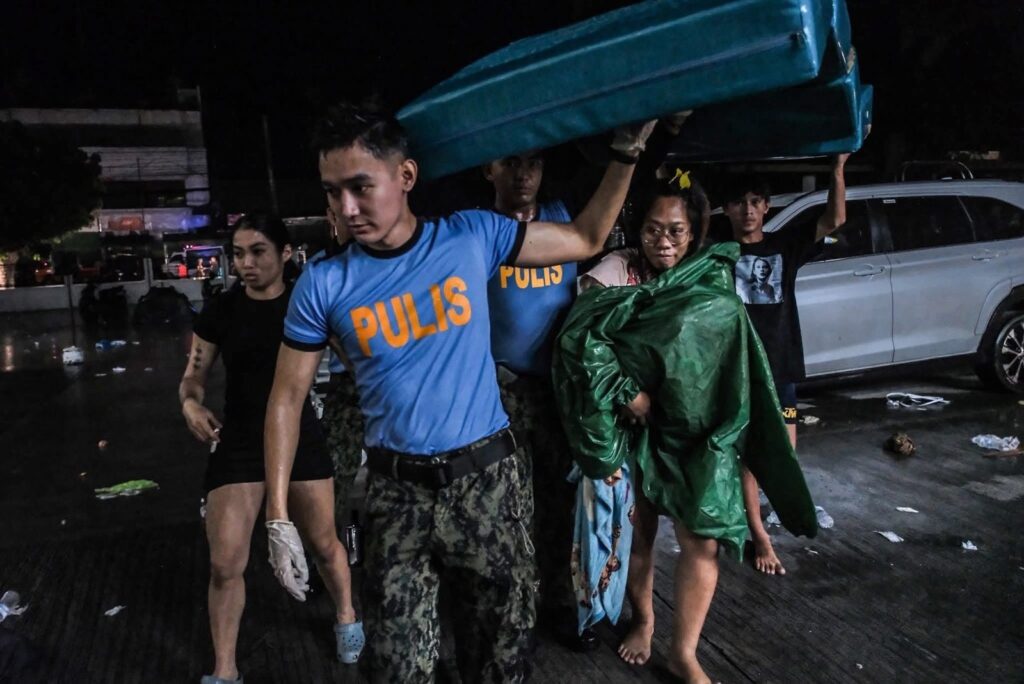
PNP is expected to mobilize additional resources from the National Headquarters and adjacent regions to reinforce disaster relief operations. With the guidance of the President and the leadership of the Acting Chief PNP, the organization vows to remain steadfast in its mission to protect lives, safeguard property, and help restore normalcy in earthquake-hit areas.