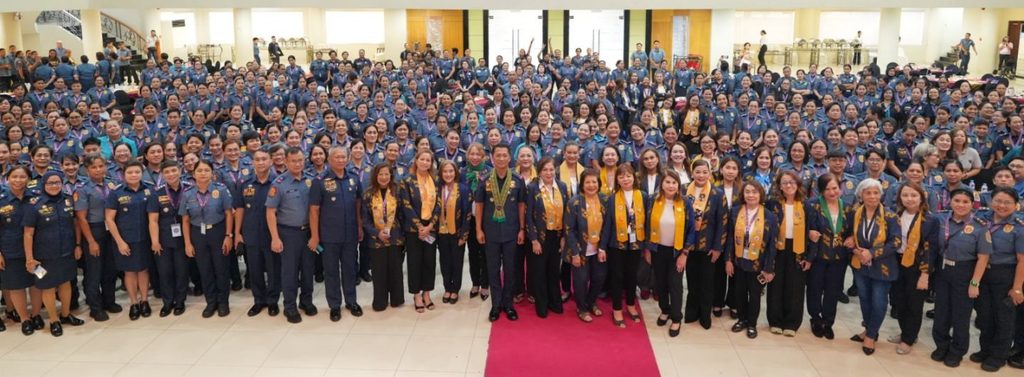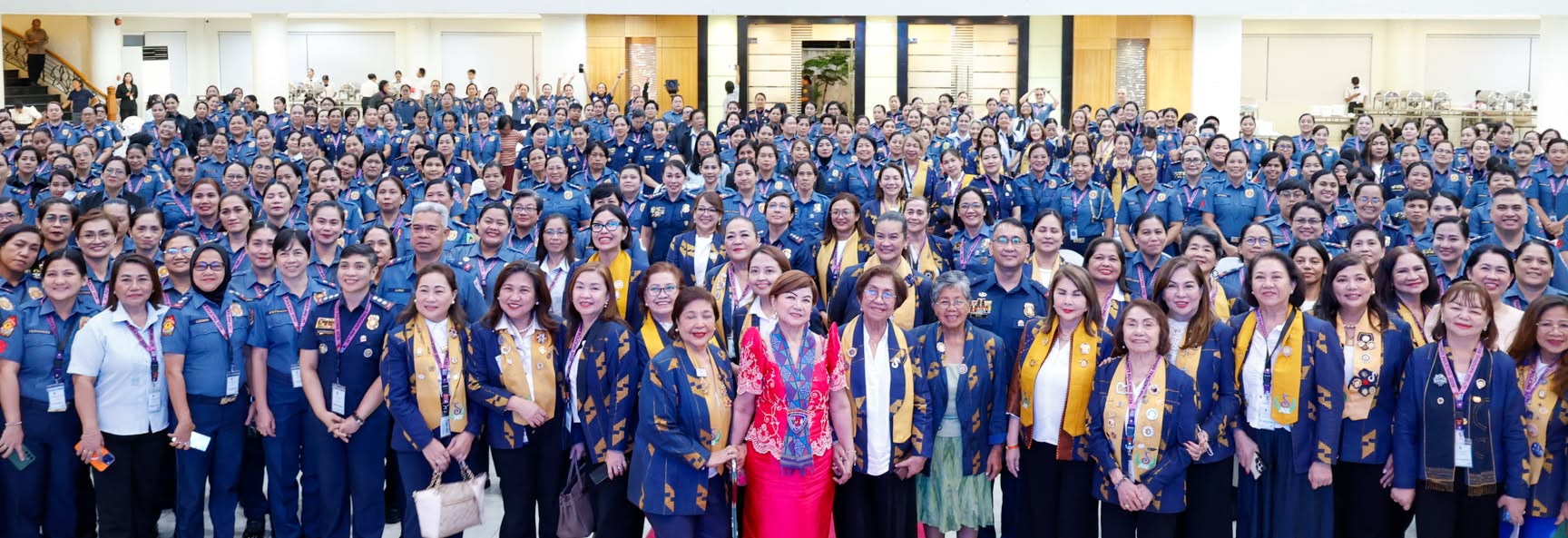
Women’s contributions to policing should be measured not only by the positions they hold, but also by their opportunities to lead, influence decisions, and help shape the organization’s future. As the Philippine National Police (PNP) continues to strengthen its commitment to gender equality, the challenge is to ensure that women’s representation translates into meaningful participation and leadership.
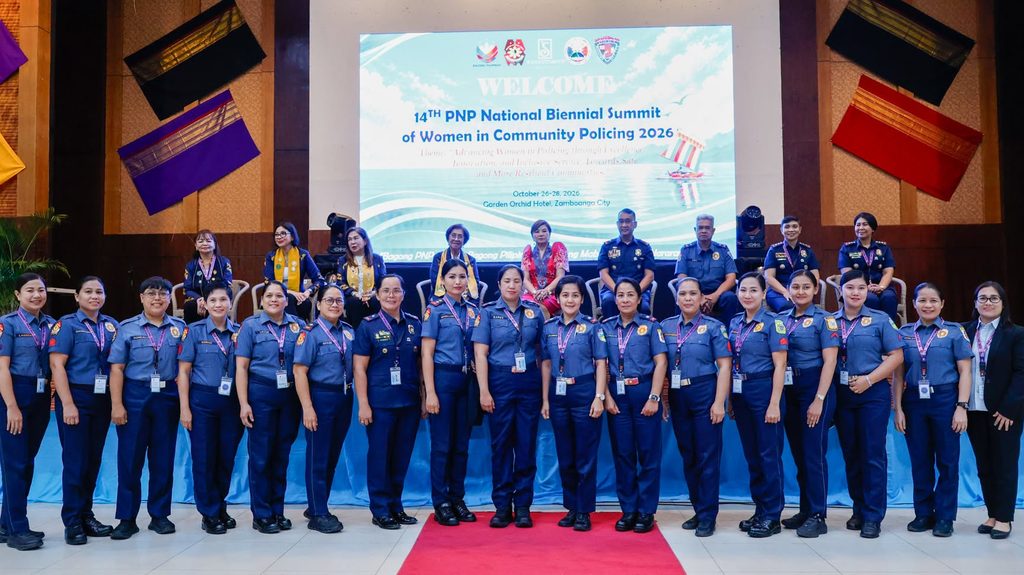
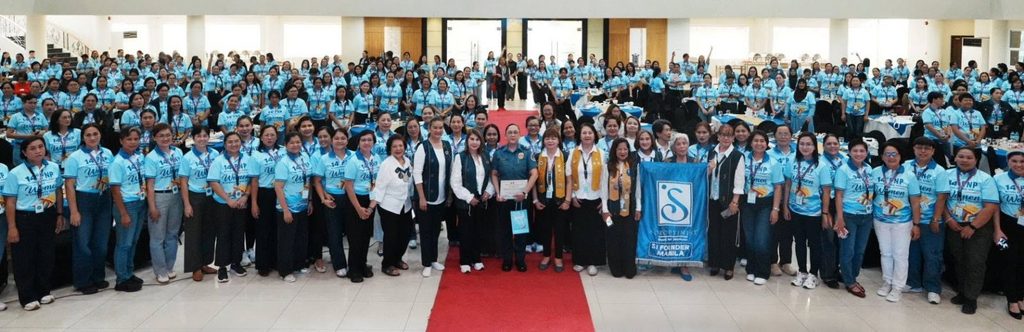
This was the central message during the 14th PNP National Biennial Summit of Women in Community Policing, held on October 26–28, 2026, at the Garden Orchid Hotel in Zamboanga City. Organized in partnership with the Soroptimist International of the Americas Philippines Region (SIAPR), the three-day Summit carried the theme, “Advancing Women in Policing Through Excellence, Innovation, and Inclusive Service Towards Safer and More Resilient Communities.”
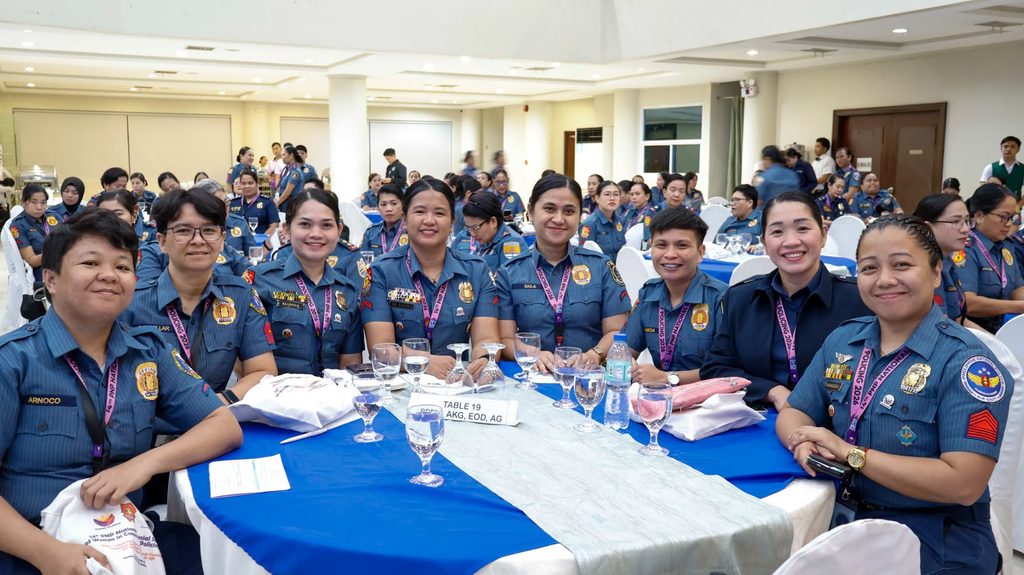
The gathering brought together female PNP personnel from Luzon, Visayas, and Mindanao to discuss the achievements, opportunities, and challenges shaping the role of women in the police service. Philippine Commission on Women Chairperson Ermelita V. Valdeavilla, Guest of Honor and Speaker during the opening ceremony, highlighted the importance of empowering women in uniform as active contributors to institutional development and social change. The event also reaffirmed the PNP’s continuing partnership with SIAPR, with the support of local government units and other stakeholders.
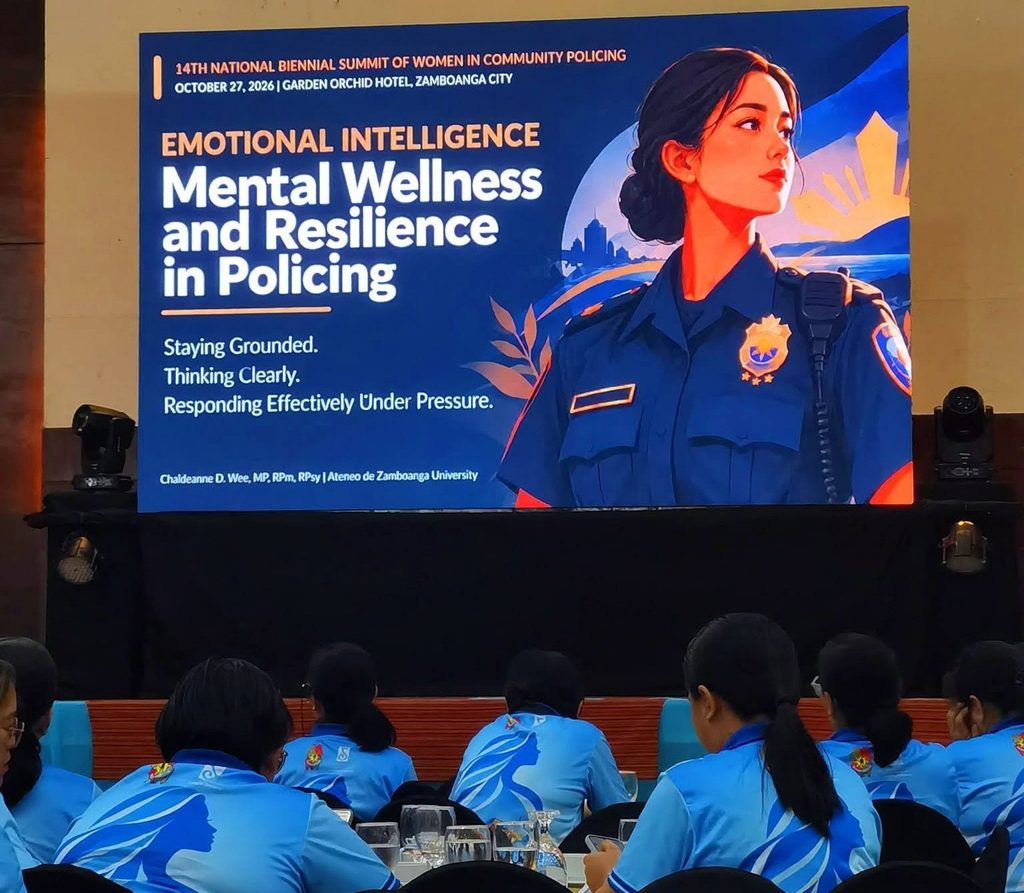
Beyond recognizing women’s contributions, the Summit addressed issues affecting their professional growth and effectiveness. Discussions covered the journey of women in PNP policing, gender discrimination and misogyny in policing, cybersecurity, digital resilience, mental wellness, emotional intelligence, and adaptive leadership. Resource speakers included Police Brigadier General Vina H. Guzman, Director of the Police Community Affairs and Development Group; Dr. Ailyn Sabdilon-Absara and Dr. Jane C. Bascar of Ateneo de Zamboanga University; Dr. Chaldeanne Wee of the Ateneo Center for Testing; and Police Lieutenant Colonel Herlyn Kristine P. Lazaro of the PNP Anti-Cybercrime Group.
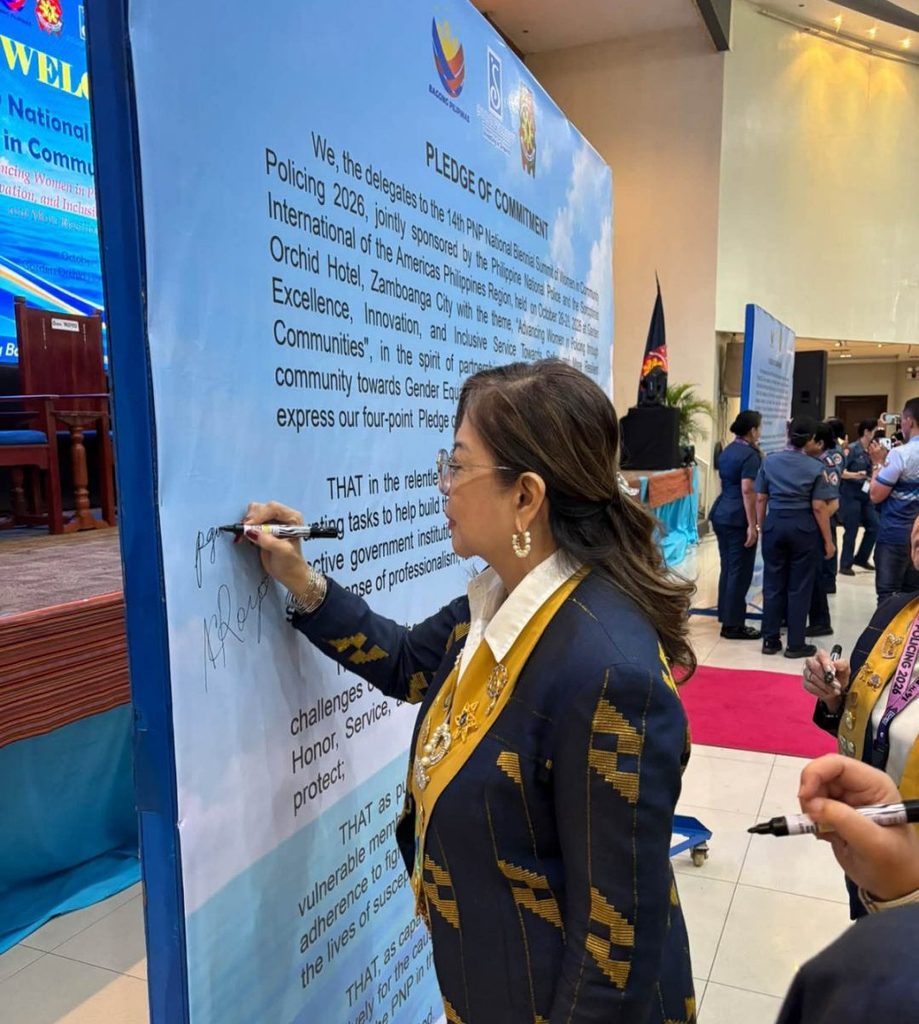
The event also highlighted the importance of workplace protection and accountability. Police Colonel Arvie A. Paraon-Bueno of the PNP Legal Service discussed the Safe Spaces Act and the need to strengthen the mechanisms of the Committee on Decorum and Investigation to ensure a workplace free from harassment and discrimination. These efforts were further reinforced by the launch of the advocacy song “Aleng Pulis, Serbisyong May Puso” and the ceremonial signing of a Pledge of Commitment led by Police Brigadier General Maria Sheila T. Portento, Chief of the Women and Children Protection Center.
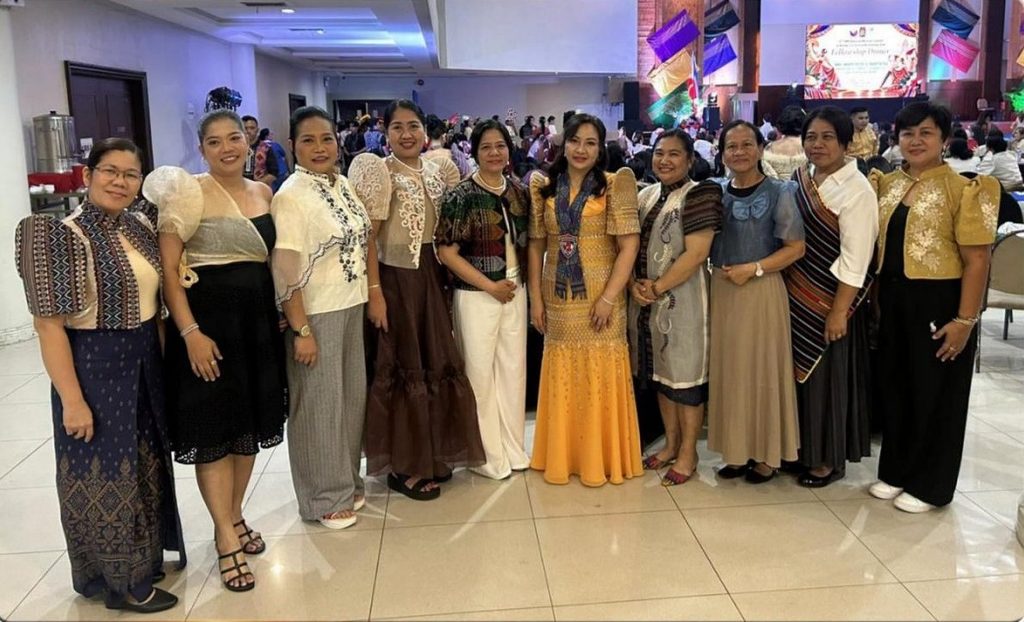
The Summit also celebrated the diversity and shared identity of women in the PNP through regional cultural presentations and fellowship activities. Mrs. Mary Rose O. Nartatez, National Adviser of the PNP OLC Foundation, Inc., served as Guest of Honor and Speaker during the activity. Meanwhile, the PNP recognized outstanding Women and Children Protection Desk personnel, as well as WCPD and FJGAD Officers of the Year for their contributions to protecting women and children.
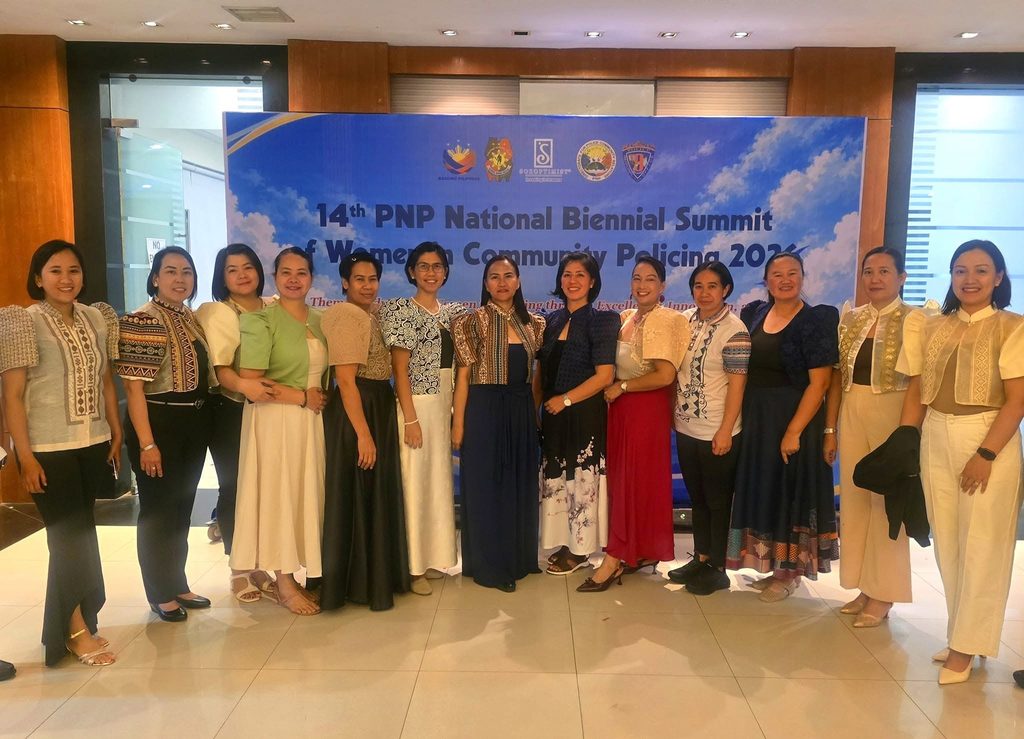
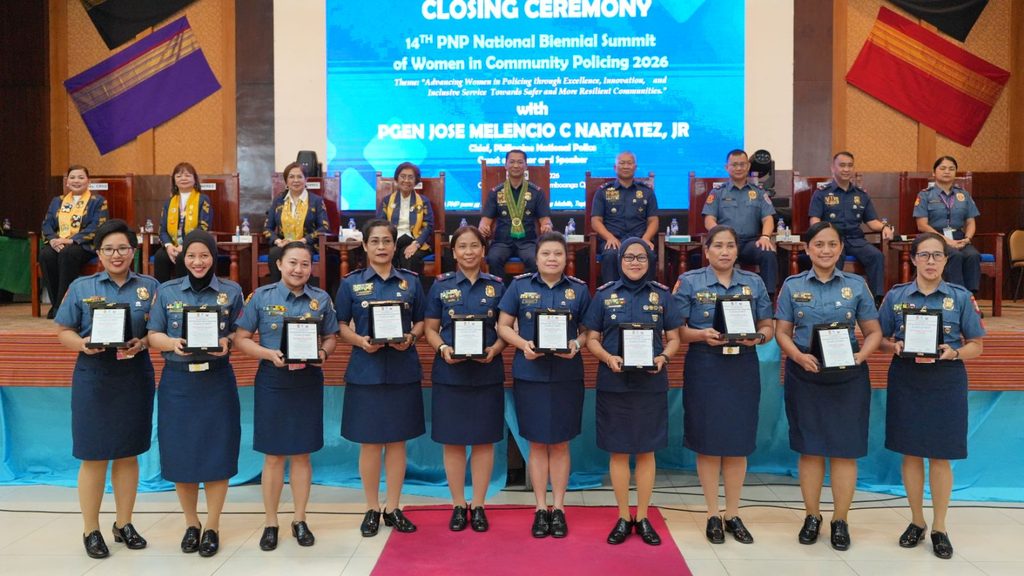
At the closing ceremony, PNP Chief Police General Jose Melencio C. Nartatez Jr. emphasized the importance of women’s leadership and professionalism in strengthening police service, particularly in addressing the needs of women and children. Also present were Police Brigadier General Jovencio Badua Jr., Officer in Charge of the Directorate for Police Community Relations (DPCR); Police Brigadier General Elmer Ragay, Regional Director of Police Regional Office 9; Police Brigadier General Esmeraldo P. Osia Jr., Executive Officer of DPCR; and other senior PNP officials and SIAPR representatives.
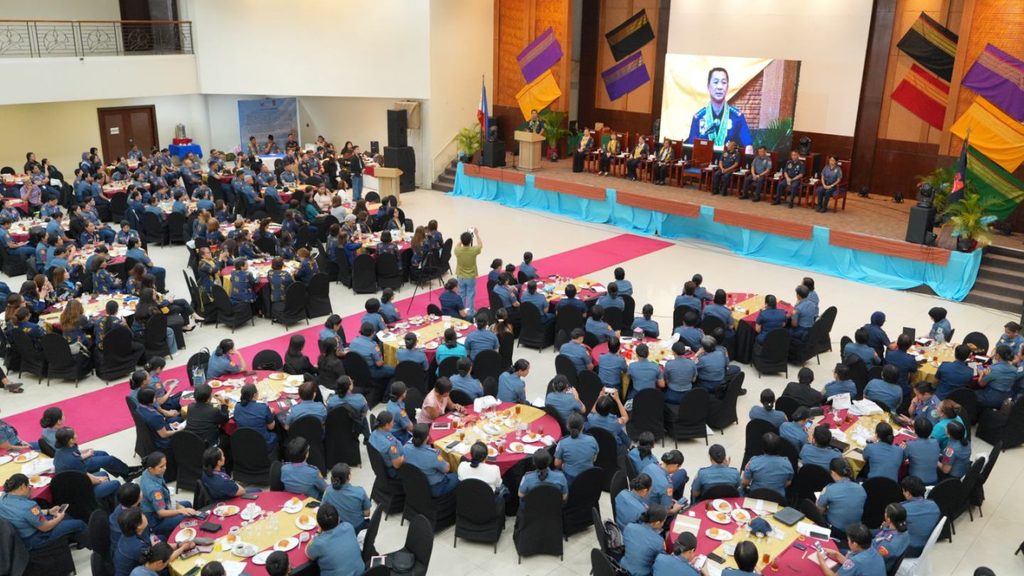
The Summit underscored that advancing gender equality goes beyond representation. Although women have already made significant contributions to PNP leadership, sustaining this progress requires creating more opportunities for them to lead, influence decisions, and assume greater responsibilities. Building on the achievements of women who have paved the way, the Nation’s Peacekeepers continue to foster an environment where more women can contribute their capabilities and help shape the organization’s future. Ultimately, the strength of an inclusive organization lies not only in recognizing the women who lead today, but also in empowering more women to lead tomorrow.