The Philippine National Police (PNP), through its Health Service (HS), continues to deliver accessible, responsive, and quality healthcare services, achieving significant accomplishments in both clinical care and community-based programs.
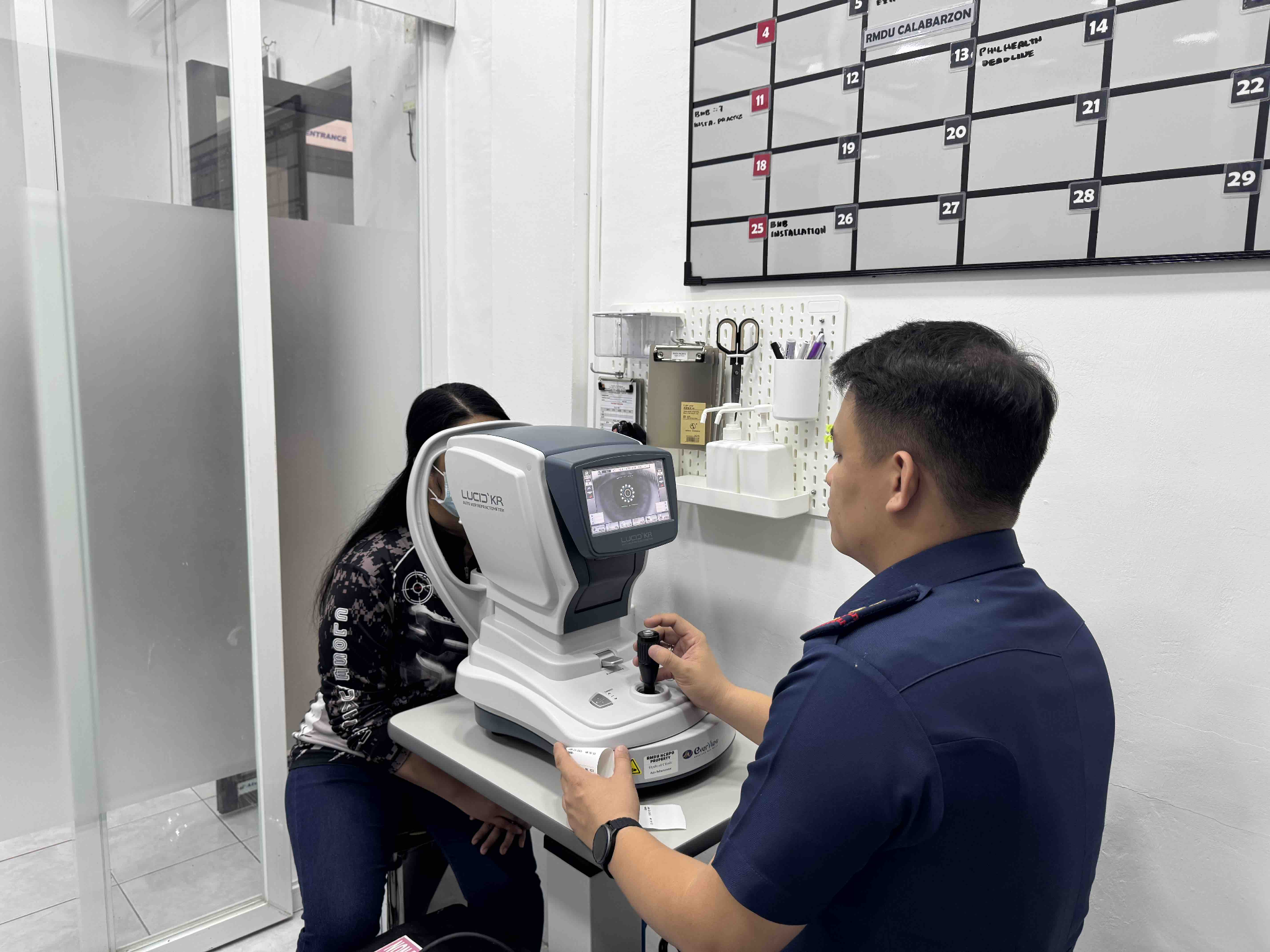
During the first quarter of 2026, a total of 116,067 medical services were rendered, benefiting 242,661 patients through various consultations and medical interventions. Mental health services were also expanded, reaching 53,247 patients across 23,411 sessions, while 23,092 individuals received dental care services, reflecting the organization’s comprehensive approach to healthcare.

To extend its reach beyond traditional healthcare facilities, HS deployed 4,239 medical teams to conduct field operations, providing essential services to 30,763 clients. Additionally, 977 PNP personnel were catered to during the 1st Quarter Annual Physical Examination. HS also carried out 308 hospital and home visitations, benefiting 587 patients and ensuring continuous care for personnel and their dependents who require special attention.

Further improving accessibility, the HS launched the HS Enhanced Roving Team Visitation Program (H.E.A.R.T.), a flagship initiative to bring integrated healthcare services closer to police units nationwide. Through 91 visits across Police Provincial Offices, the program provided medical, dental, and mental health services to 5,665 PNP personnel, supporting their well-being, morale, and operational readiness in the field.

Aligned with its focus on continuous learning and awareness, HS conducted 142 health-related lectures, seminars, and training sessions for PNP personnel and stakeholders. To further improve healthcare delivery, 11 Memoranda of Agreement and Understanding were signed with partner medical institutions to strengthen referral systems, specialized medical services, and training opportunities for HS staff.

HS also achieved key institutional milestones by securing two major accreditations: the PhilHealth accreditation of PNP Hospital Region XIII as a primary care facility and YAKAP provider, and the PhilHealth accreditation of the PNP General Hospital (PNPGH) as a Level 2 hospital. These accreditations significantly strengthen the organization’s ability to provide quality healthcare services.
Support from stakeholders remained strong, with 61 donations received, including medical supplies, medicines, and equipment that enhanced the operational capacity of HS facilities nationwide.
In celebration of the 2026 National Women’s Month, the HS participated in initiatives that promote women’s empowerment and well-being. One of these was the Food and Craft Fair (Women’s Bazaar), which provided female staff with a platform to showcase and expand their home-based businesses while fostering creativity and collaboration.
Complementing these efforts were seminars focused on reproductive health, mental wellness, lifestyle, and self-care, designed to give women within the organization with practical knowledge to maintain overall health and well-being. This raised awareness of women’s health issues and encouraged sustainable living.

Meanwhile, Police Brigadier General Portia B. Manalad, Director of HS, emphasized the importance of women’s empowerment as she served as the Guest of Honor and Speaker during the PNP Women Sector Network (WSN) Forum themed “LeadHer: Strengthening Leadership, Building Resilience, and Advancing Women in Law Enforcement,” held on March 3, 2026, at Bulwagang Lapulapu, Camp BGen Rafael T Crame in Quezon City. She also attended the Philippine National Police Academy Kick-Off Ceremony for the 2026 National Women’s Month Celebration on March 9 at Camp General Mariano N. Castañeda in Silang, Cavite.

Through these initiatives and achievements of HS, the PNP, under the leadership of PNP Chief Police General Jose Melencio C. Nartatez Jr., continues to fulfill its mandate while promoting the health, welfare, and overall well-being of PNP personnel and their families, contributing to a stronger, healthier, and more resilient police force.