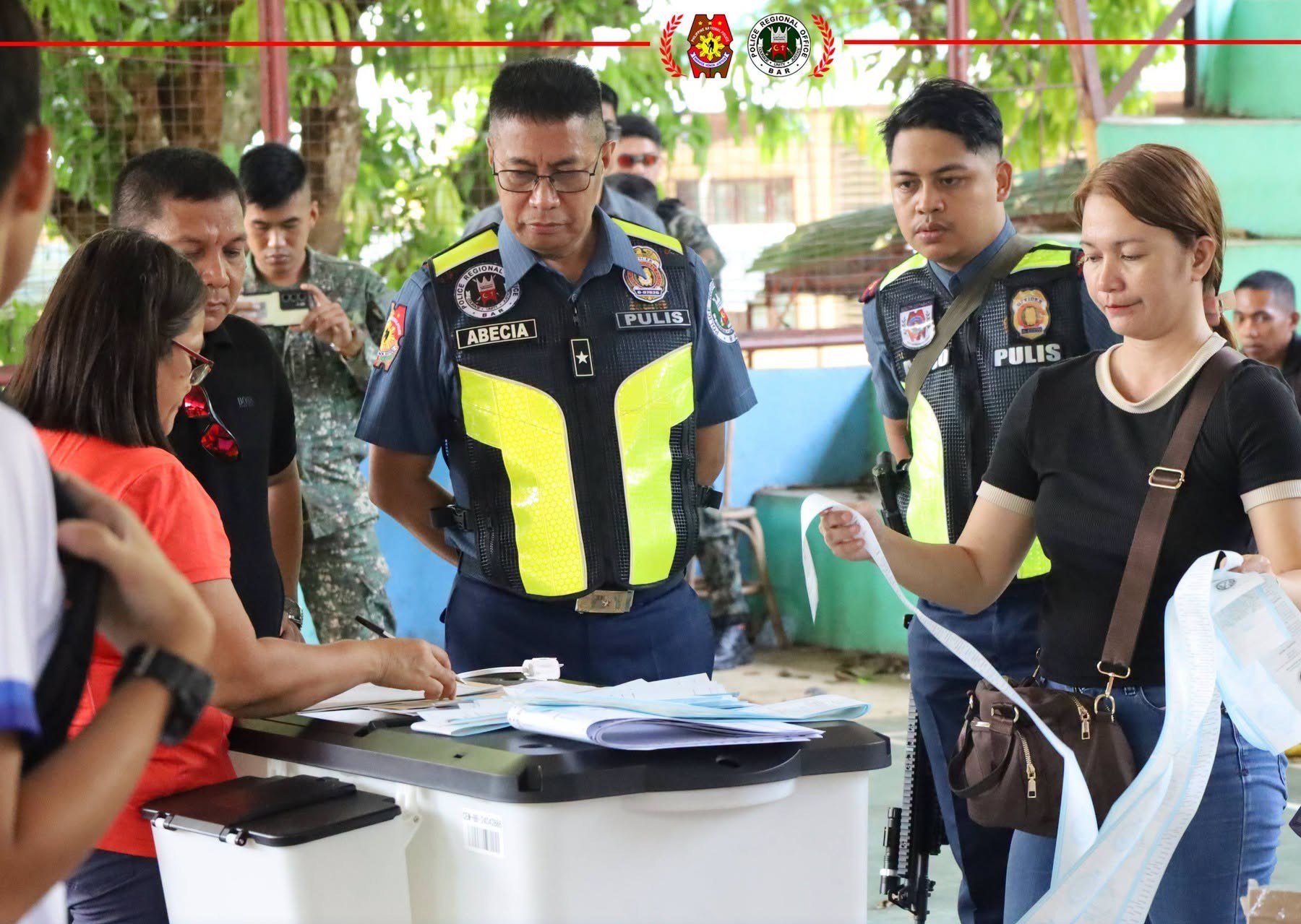
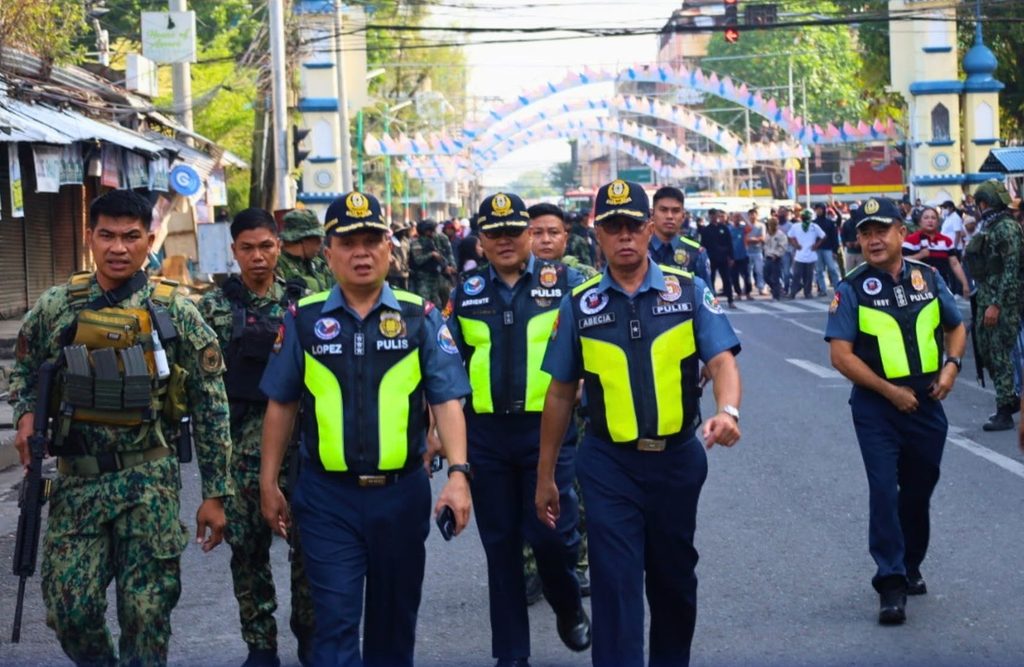
Before dawn broke over the Bangsamoro on September 14, 2026, the Philippine National Police (PNP) was already in motion. While voters prepared to make their voices heard, police personnel had already taken their posts to secure election materials along the roads, monitor developments from command centers, guard polling places, and keep rapid-response teams on standby. For the men and women in uniform, the first Bangsamoro Autonomous Region in Muslim Mindanao Parliamentary Elections (BARMM PE) was not simply another day on the calendar but a test of preparation, vigilance, professionalism, and service to the Bangsamoro people.
Under the leadership of Police General Jose Melencio C. Nartatez Jr., PNP Chief, the Nation’s Peacekeepers mounted a comprehensive security operation across BARMM. By election day, 10,439 police personnel were deployed throughout the region, comprising 4,979 from the Police Regional Office BARMM and 5,460 augmentation personnel from other Police Regional Offices and specialized PNP units. Among them were 2,465 Quick Reaction Forces on standby for immediate response and 1,754 Special Electoral Board personnel designated for vital election-related duties.
The deployment reflected a layered security strategy designed to protect 1,186 monitored voting centers across BARMM’s parliamentary areas. Specialized capabilities from the Maritime Group, Highway Patrol Group, EOD-K9, Special Action Force, and other units complemented the regional police force, enabling PNP to respond to varying security requirements while maintaining a visible and reassuring presence where voters and election workers needed it most.
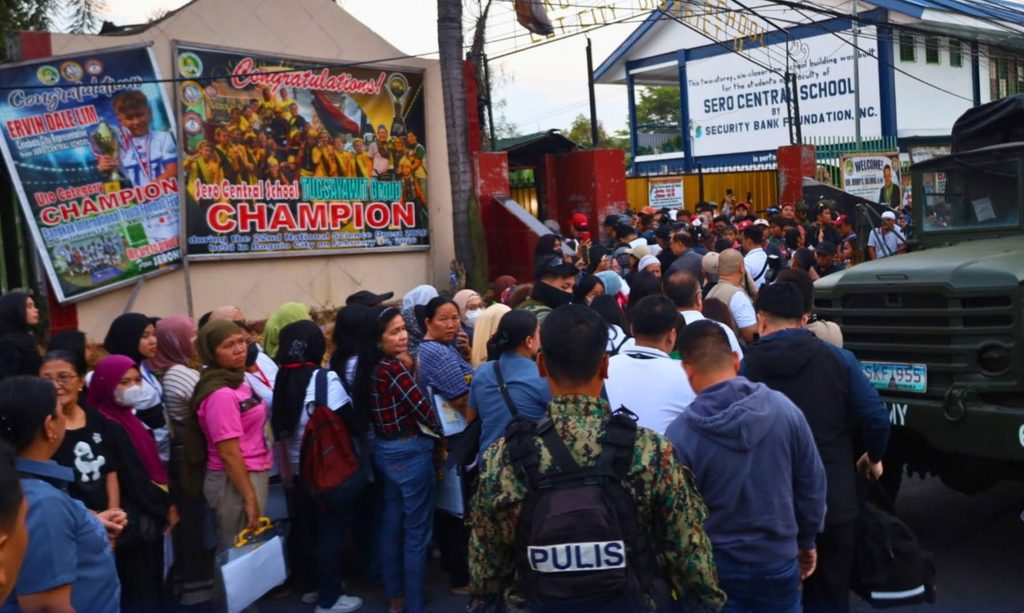
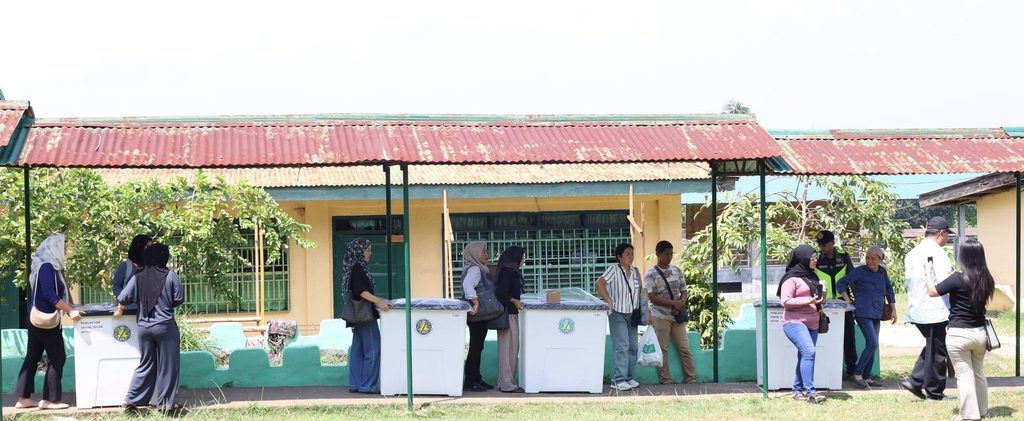
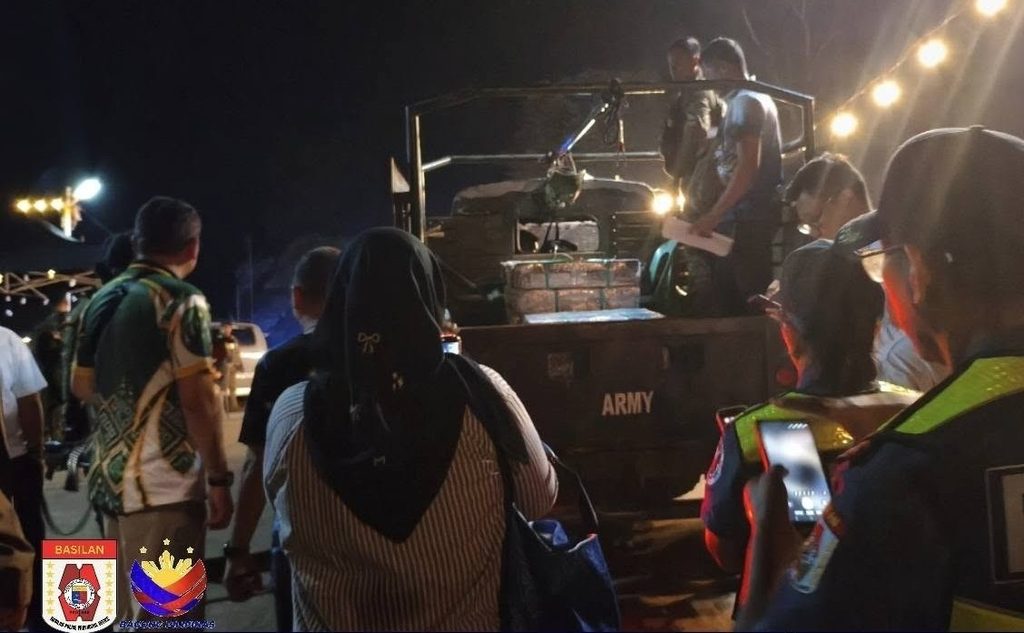
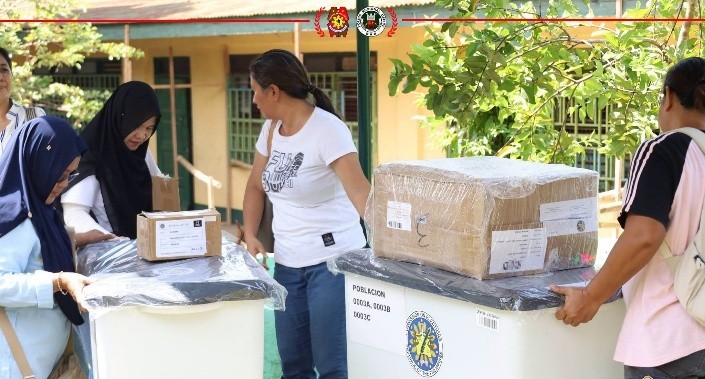
But the election security mission began long before election day. On September 12, personnel of the Police Regional Office Bangsamoro Autonomous Region (PRO BAR), led by its Regional Director, Police Brigadier General Christopher M. Abecia, secured the movement and delivery of election paraphernalia to all 1,186 monitored voting centers. By September 13, all deliveries had been completed, covering 189 voting centers in Basilan, 252 in Lanao del Sur, 224 in Maguindanao del Sur, 183 in Tawi-Tawi, 271 in Maguindanao del Norte, and 67 in the Special Geographic Area. It was a crucial milestone in ensuring that the necessary election materials reached the communities where voters would exercise their right to suffrage.
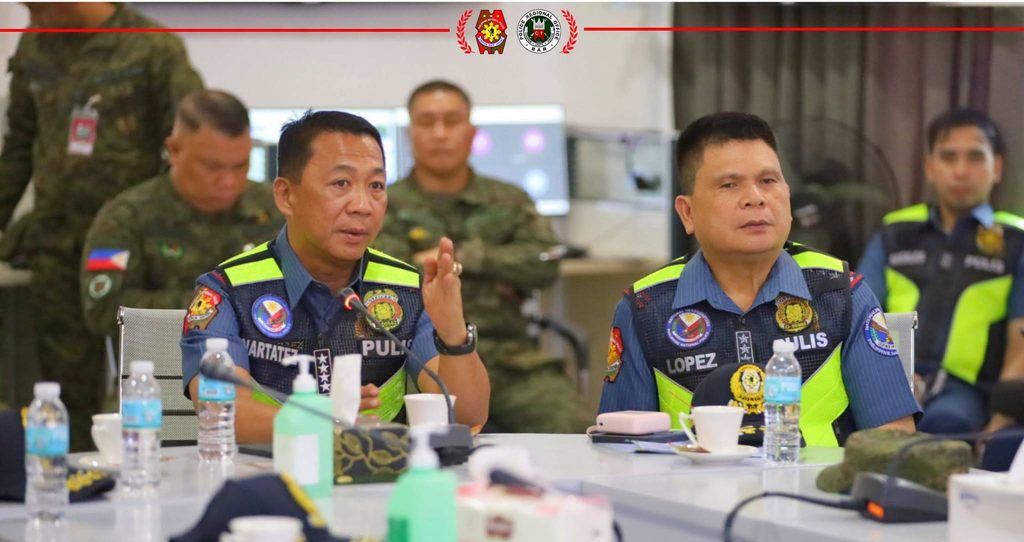
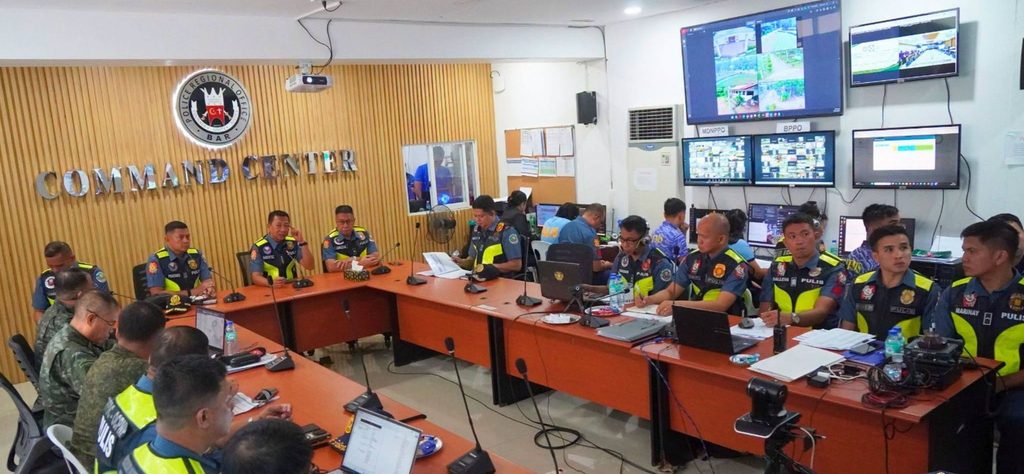
On that same day, PGen Nartatez personally visited PRO BAR to assess the readiness of personnel and operational units. At the Regional Command Center, he checked troop preparedness and stressed the importance of timely, accurate reporting of any untoward incidents. He later proceeded to the headquarters of the 6th Infantry “Kampilan” Division in Awang, Datu Odin Sinsuat, Maguindanao del Norte, where election-related concerns and operational updates were discussed, reinforcing the importance of close coordination among security forces and government partners.
As the campaign period ended and election day approached, the PNP Chief made the police role unmistakably clear: secure the process, but never interfere with the voter’s decision. “The campaign is over. Now, the attention should be on the voters… Bantayan natin ang proseso, pero huwag nating panghimasukan ang desisyon ng botante. That is the kind of police service expected from us tomorrow,” PGen Nartatez said, reminding police personnel to remain professional, restrained, and impartial while respecting the rights of voters.
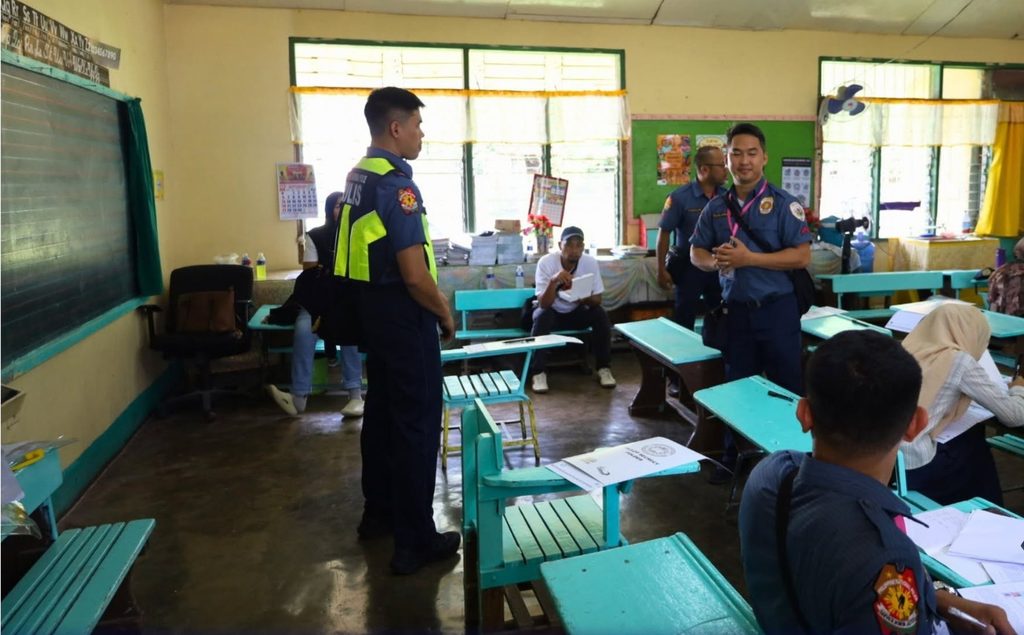
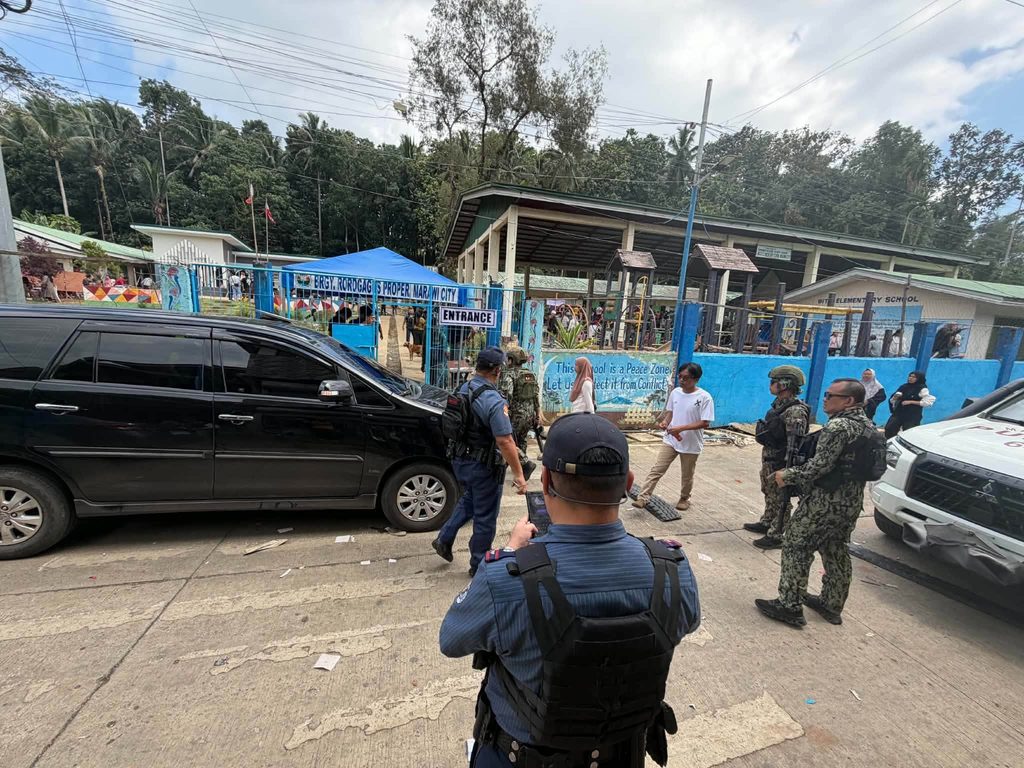
When voting began on September 14, the scale of the historic election became clear. By 8:00 AM, 1,045 of the 1,186 monitored voting centers, or 88.11 percent, had opened. The elections involved 2,393,202 registered voters, 14,605 established precincts, and 5,212 clustered precincts. PNP also maintained heightened security in 93 identified Election Areas of Concern, including 27 areas classified under the red category, with additional police presence, closer monitoring, and strengthened coordination in areas requiring greater attention.
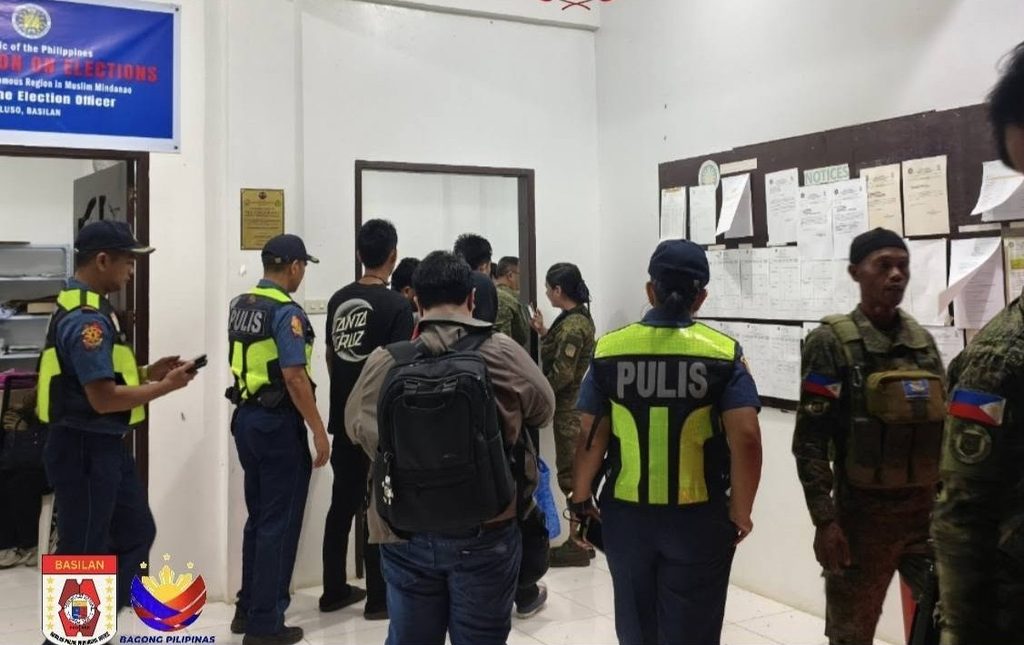
The day was not without challenges. Cotabato City and Maluso, Basilan, were placed under COMELEC control following reported election-related incidents. In Maluso, a pre-shading incident affected several polling centers and required ballot replacement. These developments tested the security and coordination mechanisms established before election day, but the police force remained on the ground, working with COMELEC, the Armed Forces of the Philippines, local government units, and other agencies to provide security and police assistance as the electoral process continued.
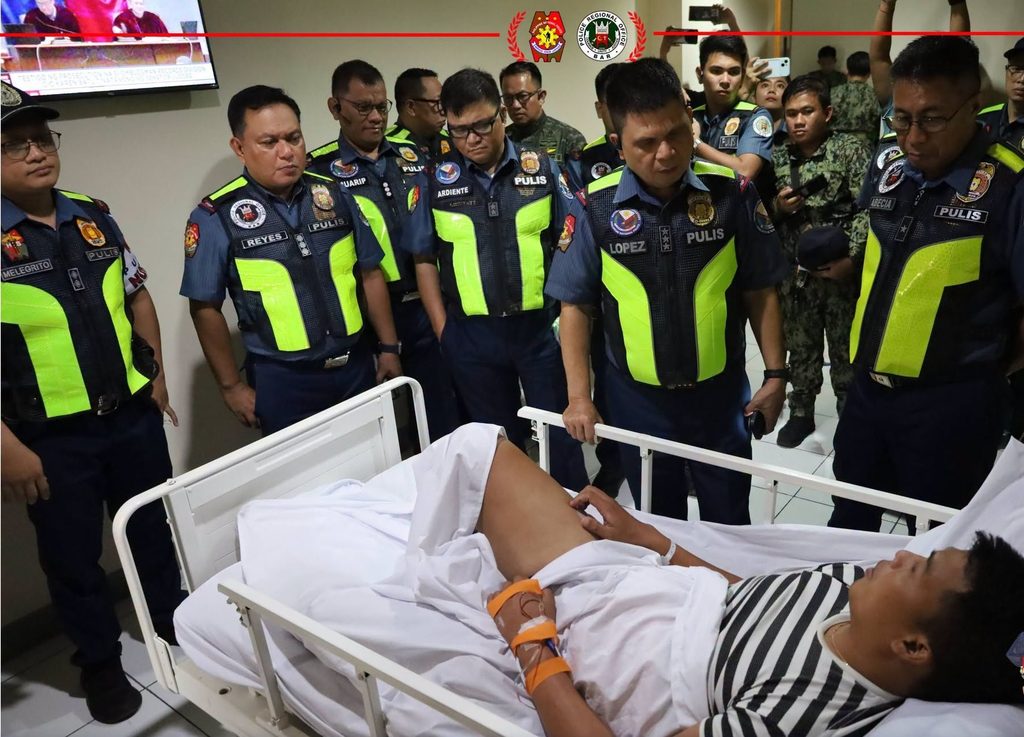
The risks faced by police personnel became evident following election day when an officer deployed to secure a polling precinct in Cotabato City was wounded during a security incident. On September 15, Police Lieutenant General Wilson Joseph F. Lopez, Deputy Chief PNP for Operations, personally visited the wounded officer at Notre Dame Hospital, accompanied by senior PNP and regional commanders. The visit reflected the PNP leadership’s commitment not only to the election mission but also to the welfare of the personnel who placed themselves on the front lines to protect voters, election workers, and the electoral process.
Yet the PNP’s responsibility did not end when the last voter left the polling place. By September 16, 1,168 of the 1,186 monitored polling places, or 98.48 percent, had completed the voting process.
“The voting may be winding down, but our responsibility does not end there. We are keeping our personnel engaged and our lines of coordination open until the remaining election activities are completed. Dito tayo kailangang steady—alert, coordinated, and ready to respond when needed,” PGen Nartatez emphasized.
Later that day, the PNP reported the 100-percent completion of transmission and canvassing activities in all 115 monitored locations. The overall conduct of the BARMMPE was generally peaceful and orderly following months of preparations, coordination, and security deployment across the region, while acknowledging that isolated incidents occurred and were addressed through appropriate police action and coordination with concerned authorities.
“The peaceful conduct of the elections was supported by early preparation, close coordination, and the proper use of our personnel and resources. We made sure that our people were ready, our units were coordinated, and our response remained timely throughout the electoral period,” said PGen Nartatez.
He likewise commended the police personnel who served throughout the election period. “I extend my appreciation to all our personnel who served in BARMM, especially our Special Elections Board and those who were deployed and provided augmentation support. You carried a demanding responsibility from the preparations through the election and post-election activities. Your discipline, teamwork, and commitment to duty helped keep the process secure and orderly. Maraming salamat sa inyong serbisyo,” the PNP Chief added.
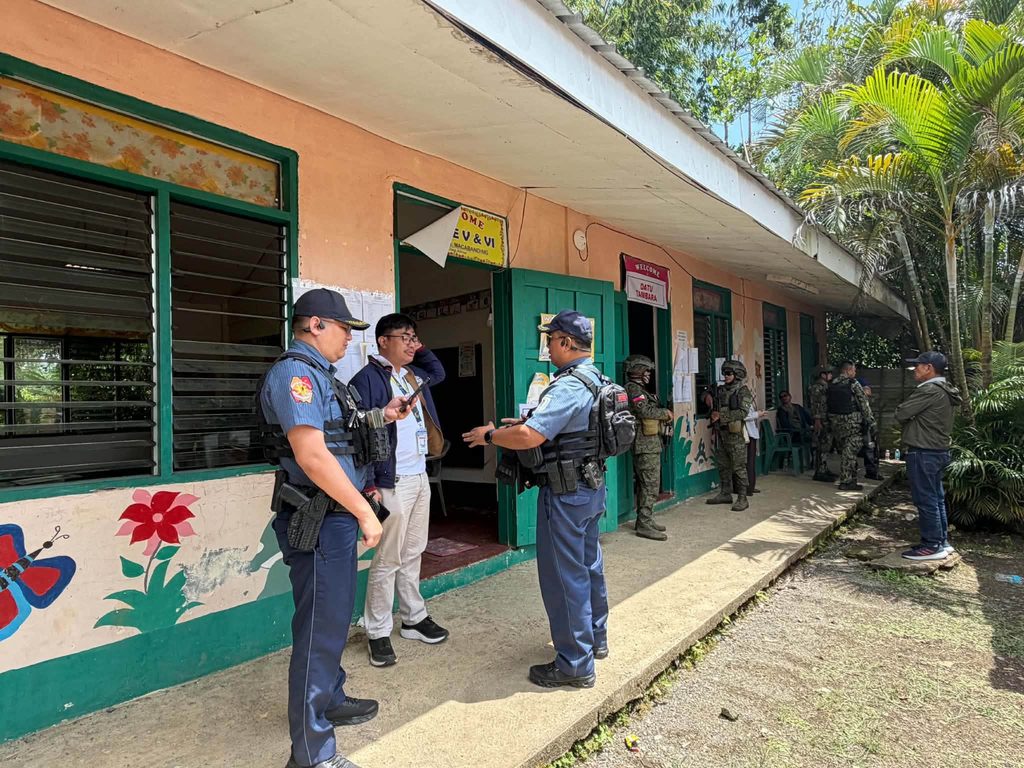
What happened in BARMM showed that election security is about far more than numbers on a deployment sheet. It is about police officers arriving before the crowds, securing election materials along difficult routes, monitoring developments from command centers, standing ready to respond when trouble emerges, and remaining at their posts until the electoral process is completed.
Behind every ballot was a security mission largely unseen by the public—a network of police officers, commanders, specialized units, response teams, and partner agencies working before, during, and after election day. Their presence was measured not only by the 10,439 personnel deployed, but also by the commitment behind every post, patrol, escort, response team, and security detail.
As BARMM completed its historic first parliamentary elections, the Nation’s Peacekeepers sought to give concrete meaning to their continuing commitment: “Bagong PNP para sa Bagong Pilipinas: Serbisyong Mabilis, Tapat, at Nararamdaman.”