For more than four decades, a shared vision has united the police forces of Southeast Asia—that peace and security are best safeguarded when nations work together. What began in Manila in 1981 as a meeting of five police chiefs has evolved into the ASEAN Chiefs of National Police (ASEANAPOL), the regional police organization of the Association of Southeast Asian Nations (ASEAN), which continues to strengthen law enforcement cooperation against crimes that know no borders. As criminal networks become increasingly sophisticated and technology enables threats to spread across jurisdictions, ASEANAPOL stands as a testament to the enduring power of trust, partnership, and collective action.
The organization traces its roots to the first ASEAN Chiefs of Police Conference, held in Manila in October 1981, where the police leaders of Malaysia, Singapore, Thailand, Indonesia, and the Philippines recognized the need for closer cooperation in addressing emerging security challenges. Established to enhance police professionalism, facilitate intelligence sharing, strengthen operational coordination, and foster lasting friendship among member police organizations, ASEANAPOL now serves as the premier platform for police cooperation among the ten ASEAN Member States.
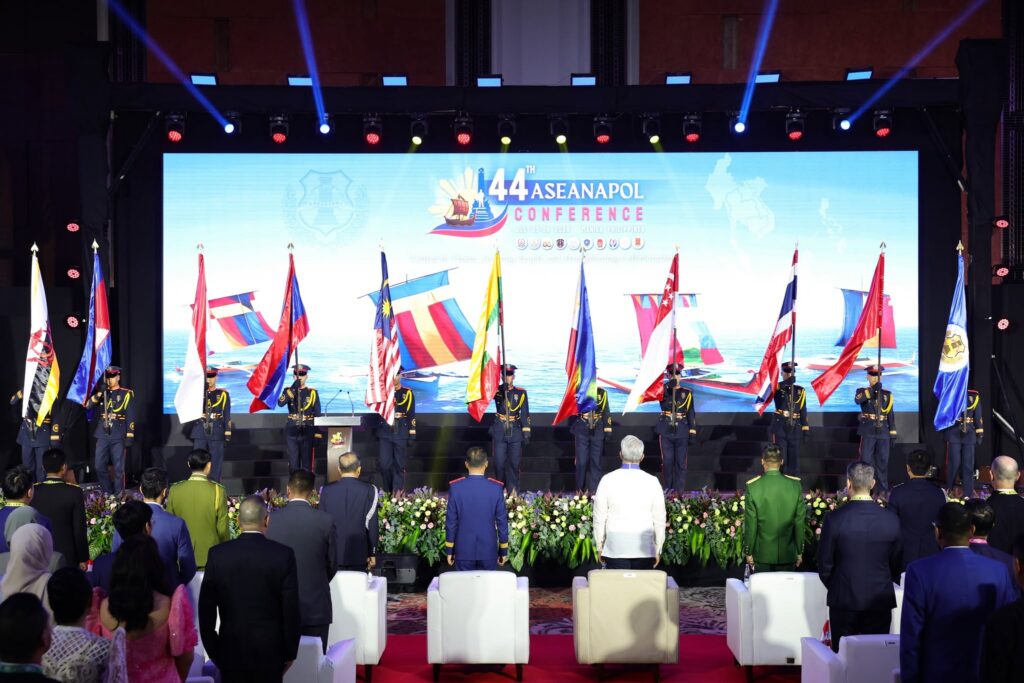
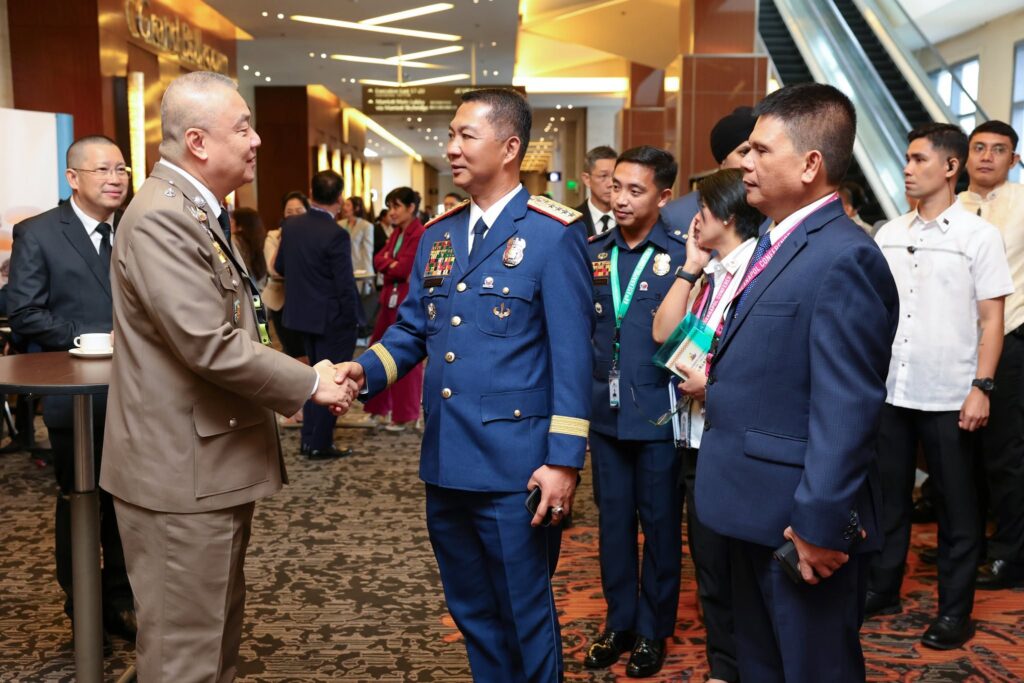
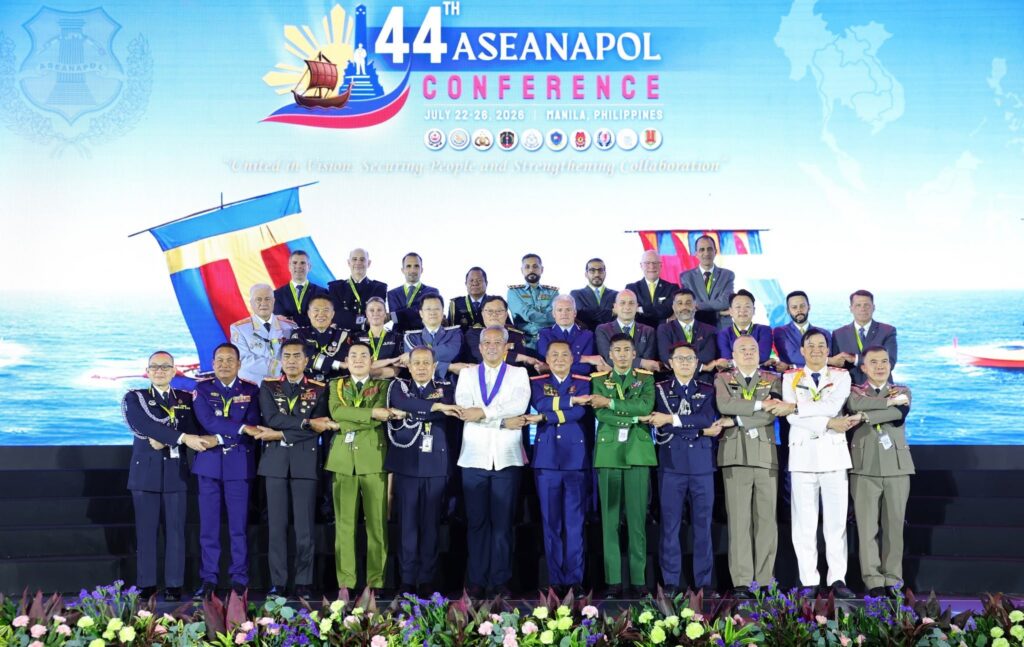
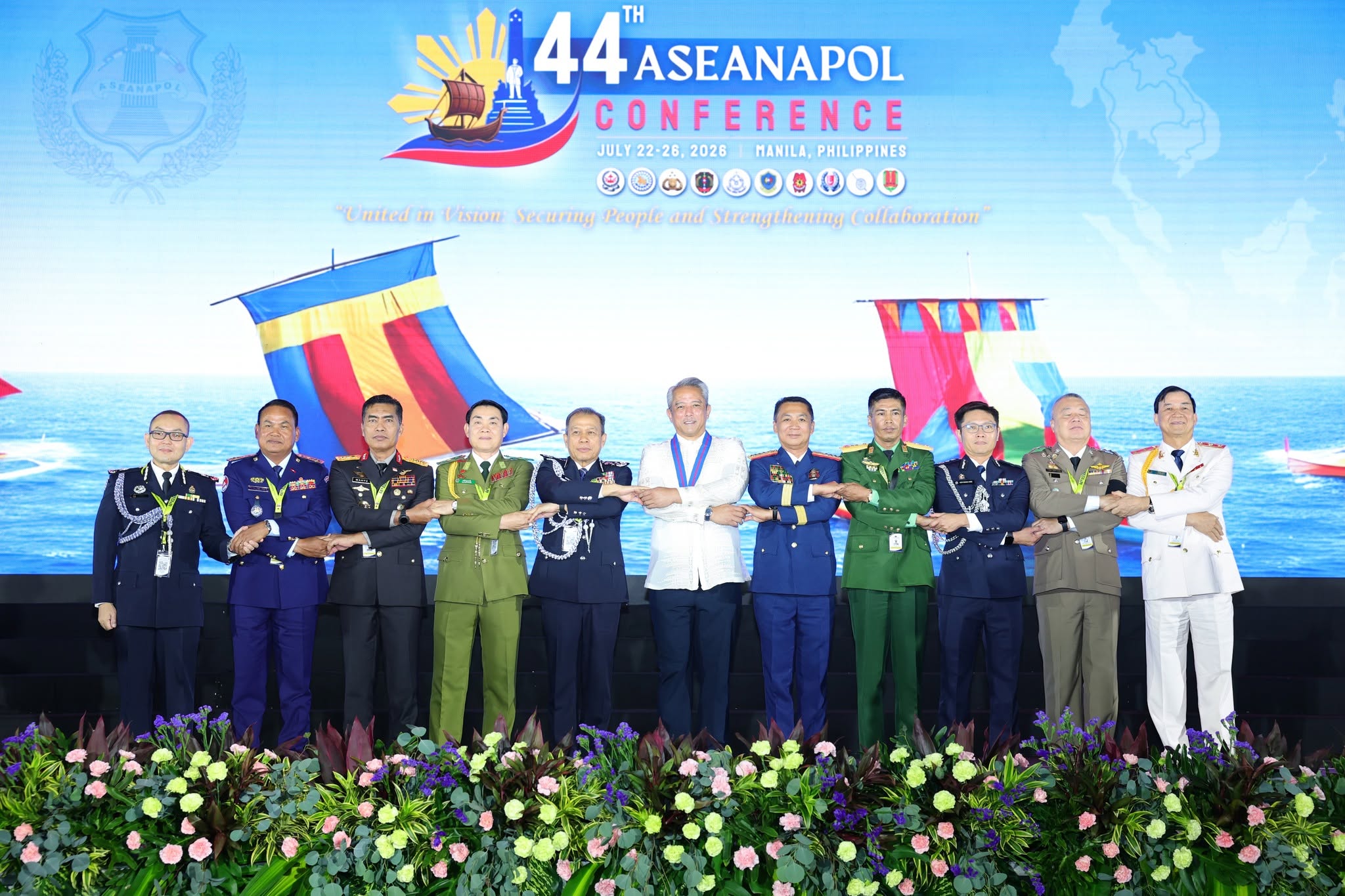
History came full circle in 2026 as the Philippines hosted the 44th ASEANAPOL Conference from July 22 to 25, 2026 at the Manila Marriott Hotel in Pasay City. Under the leadership of Police General Jose Melencio C. Nartatez Jr., Chief of the Philippine National Police (PNP) and Chairperson of the Conference, delegates gathered under the theme, “United in Vision: Securing People and Strengthening Collaboration.” Chiefs of Police, senior law enforcement officials, dialogue partners, observer organizations, and the ASEANAPOL Secretariat convened to reinforce regional mechanisms against terrorism, cybercrime, illicit drug trafficking, trafficking in persons, financial crimes, online child exploitation, and other forms of transnational organized crime.
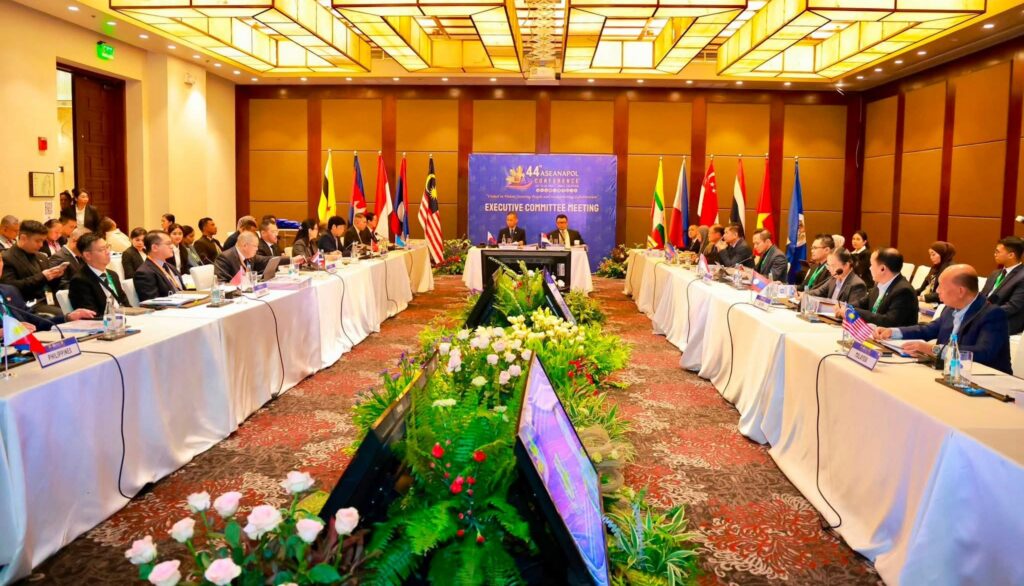
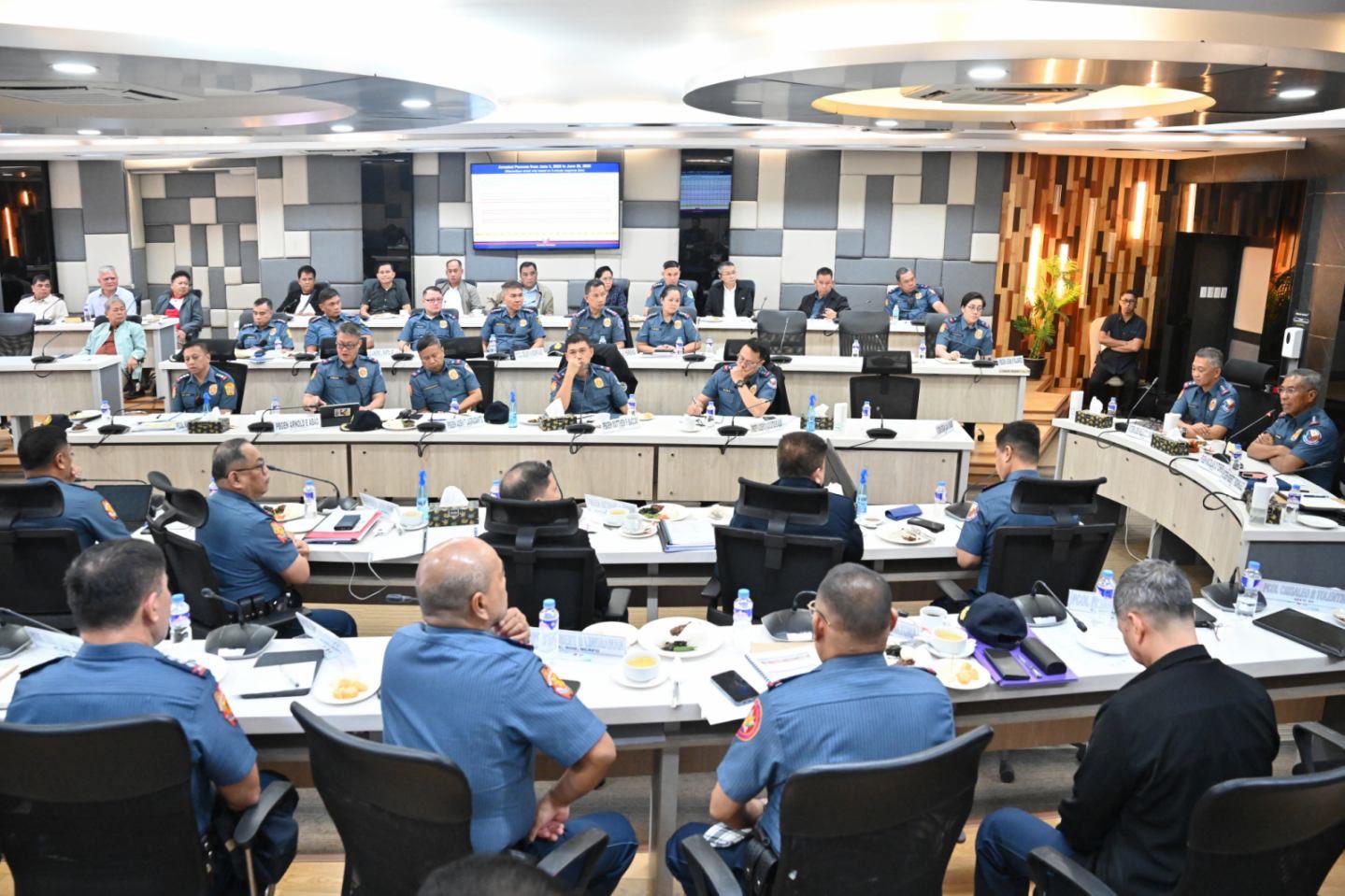
The conference commenced on July 22 with the 15th Executive Committee Meeting, presided over by Police Major General Jay R. Cumigad, Director for Plans of the PNP and Chairperson of the Executive Committee, with Brigadier General Dodied Prasetyo Aji of the Indonesian National Police serving as Vice Chairperson. Delegates discussed administrative and financial matters concerning the ASEANAPOL Secretariat, proposed partnerships with international organizations, and strategic initiatives to strengthen regional responses to emerging security threats.
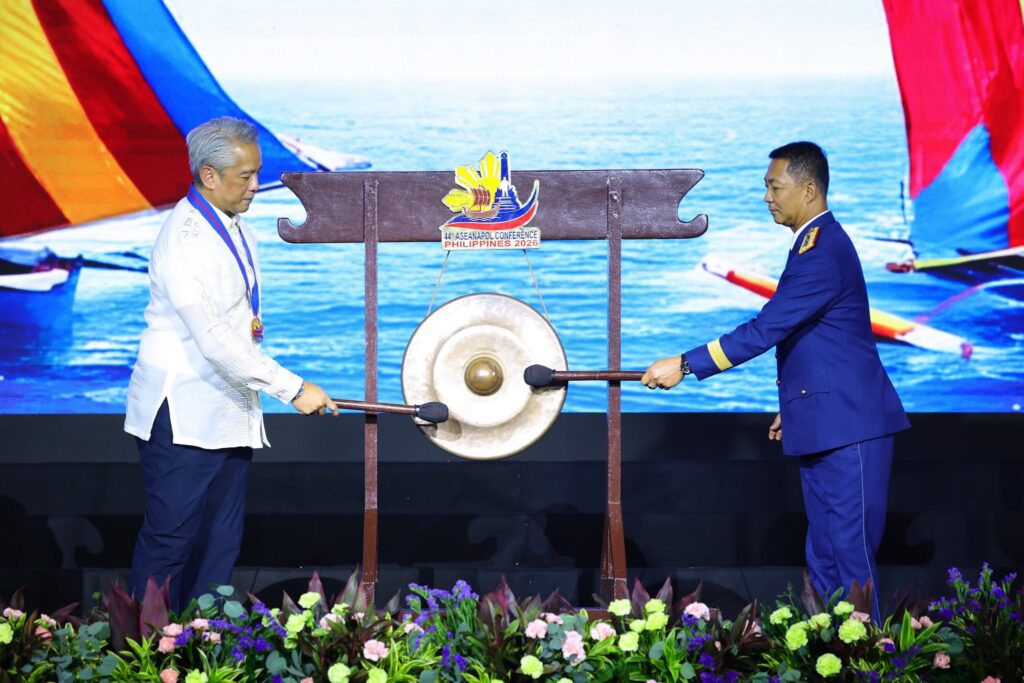
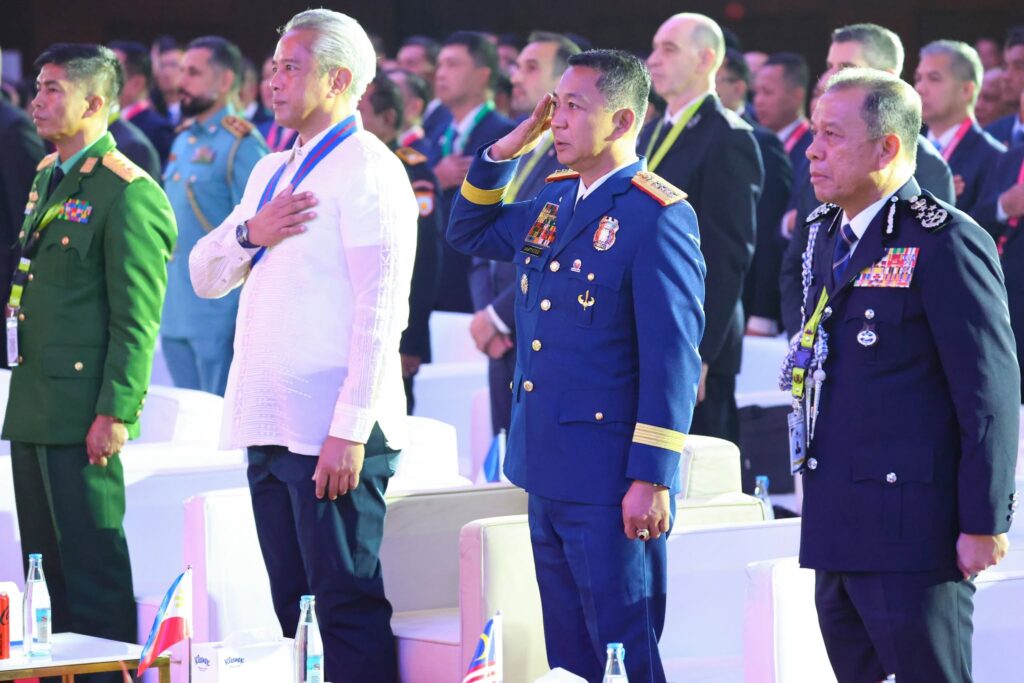
The formal opening of the conference on July 23 was graced by Secretary of the Interior and Local Government Juanito Victor C. Remulla, representing President Ferdinand R. Marcos Jr. as the Guest of Honor and Speaker. During the First Plenary Session, the Philippine National Police officially assumed the ASEANAPOL Chairmanship from the Royal Thai Police, reaffirming the country’s commitment to advancing regional peace, security, and law enforcement cooperation.
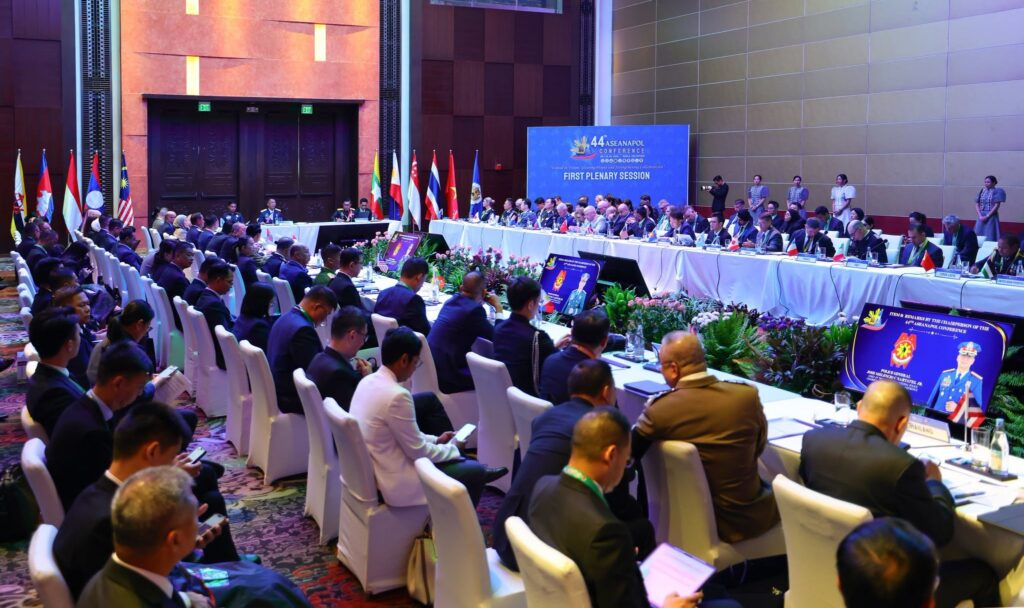
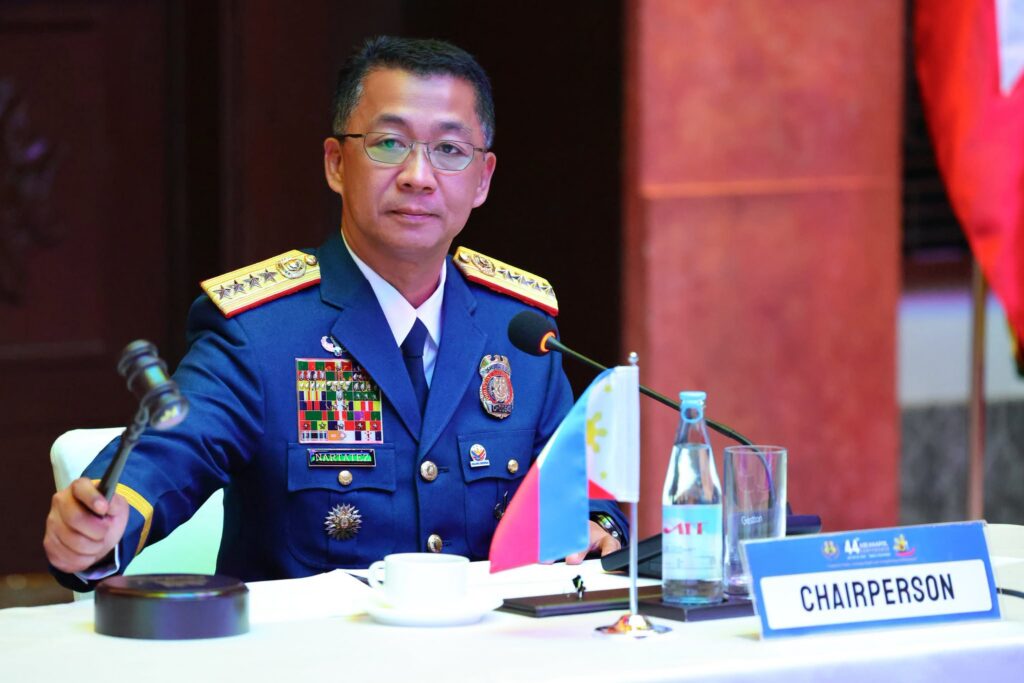
Recognizing that modern security threats extend beyond regional boundaries, the conference also convened the Heads of Delegation Discussion Forum with Dialogue Partners and Observer Organizations. Representatives from the Australian Federal Police, the Ministry of Public Security of the People’s Republic of China, the National Police Agency of Japan, the Korean National Police Agency, the New Zealand Police, the Ministry of Internal Affairs of the Russian Federation, the Turkish National Police, the United Kingdom National Crime Agency, the Federal Bureau of Investigation of the United States, the ASEAN Secretariat, and INTERPOL exchanged best practices and strengthened cooperation in addressing cyber-enabled fraud, online scam centers, terrorism, trafficking in persons, child exploitation, illicit drug trafficking, and other organized criminal activities. The discussions emphasized intelligence sharing, digital forensics, joint investigations, and capacity-building as essential pillars of regional security.

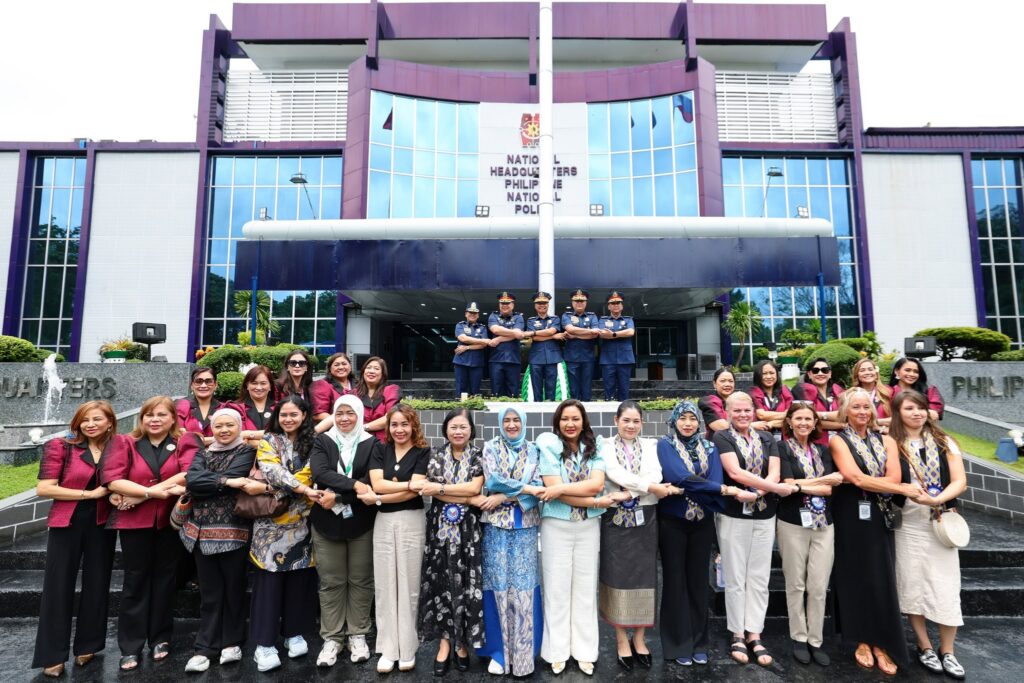
Beyond policy discussions, the conference highlighted ASEANAPOL’s enduring spirit of friendship and solidarity. On July 24, the spouses of delegates from the ten ASEANAPOL Member Countries visited Camp BGen Rafael T Crame in Quezon City, where they were welcomed by the PNP OLCI Foundation, Inc. Their visit to the PNP Museum and Bulwagang Lapulapu was followed by a ceremonial gift-giving activity benefiting the children of the PNP Child Development Center. The activity demonstrated that regional cooperation extends beyond official meetings, fostering compassion, cultural understanding, and meaningful people-to-people connections.


The conference culminated on July 25 with significant milestones that will shape the future of regional policing. PGen Nartatez Jr conducted bilateral meetings with representatives of the Royal Brunei Police Force, the Royal Malaysia Police, the United Kingdom National Crime Agency, the International Association of Chiefs of Police, the New Zealand Police, and the French Ministry of the Interior, further strengthening operational partnerships and international law enforcement cooperation.
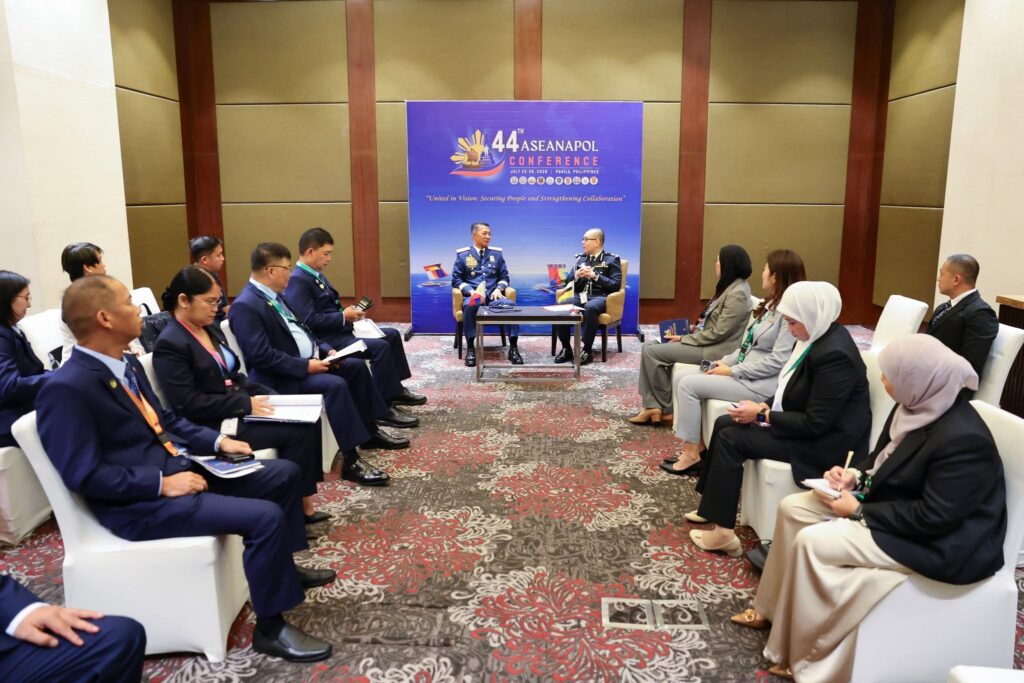
During the Second Plenary Session, the Heads of Delegation unanimously adopted a Joint Communiqué establishing a stronger regional framework against transnational crime. The agreement reaffirmed ASEANAPOL’s commitment to expanding intelligence sharing, enhancing joint police operations, strengthening forensic and investigative cooperation, improving mutual legal assistance mechanisms, modernizing the Electronic ASEANAPOL Database System, and increasing specialized training among member police organizations. Priority areas identified included cybercrime, terrorism, illicit drug trafficking, trafficking in persons, arms smuggling, financial crime, wildlife crime, and maritime crime.
Among the conference’s most historic accomplishments was the approval of the admission of the National Police of Timor-Leste as ASEANAPOL’s 11th Member Country. This milestone further strengthens regional solidarity and cooperation. The conference outcomes also reinforced the PNP Focused Agenda on Enhanced Managing Police Operations, which advocates intelligence-driven, technology-enabled, and collaborative policing while supporting the Philippine government’s commitment to stronger international security partnerships.
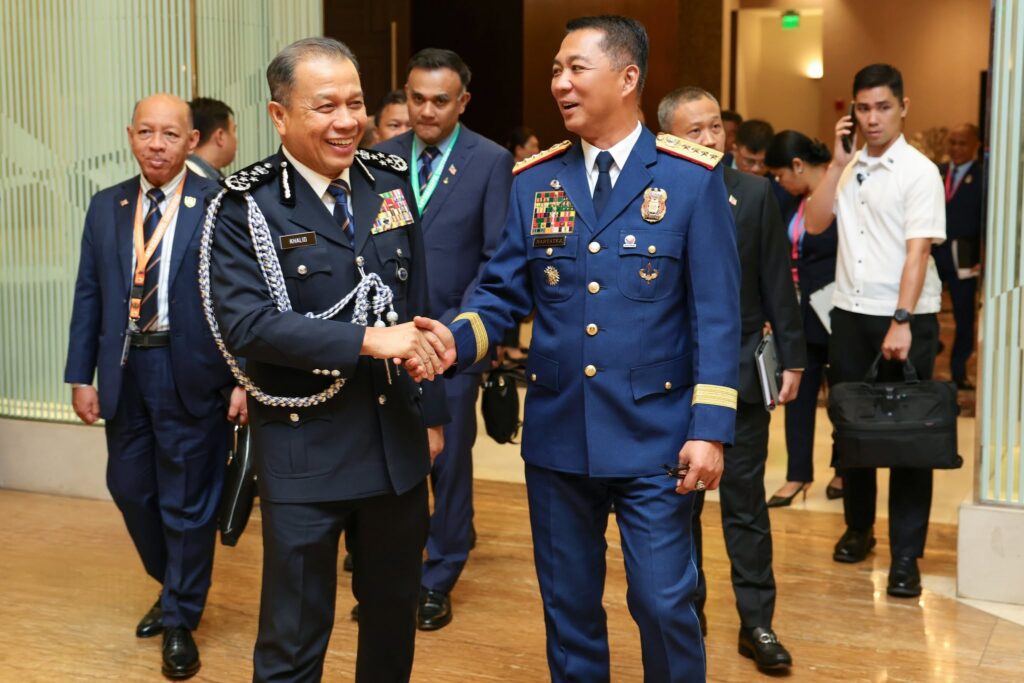
Reflecting on the significance of the conference, PGen Nartatez emphasized that regional security is built on trust, cooperation, and shared responsibility among neighboring police organizations.
“Ipinakita ng 44th ASEANAPOL Conference na mas malakas tayo kapag nagtutulungan. Ang mga banta ngayon ay mas mabilis, mas kumplikado, at hindi na limitado sa iisang bansa. Kaya ganoon din dapat ang ating tugon—mas mabilis ang koordinasyon, mas bukas ang palitan ng impormasyon, at mas matatag ang ating pagtutulungan para sa kapayapaan at seguridad ng ating rehiyon,” PGen Nartatez said.
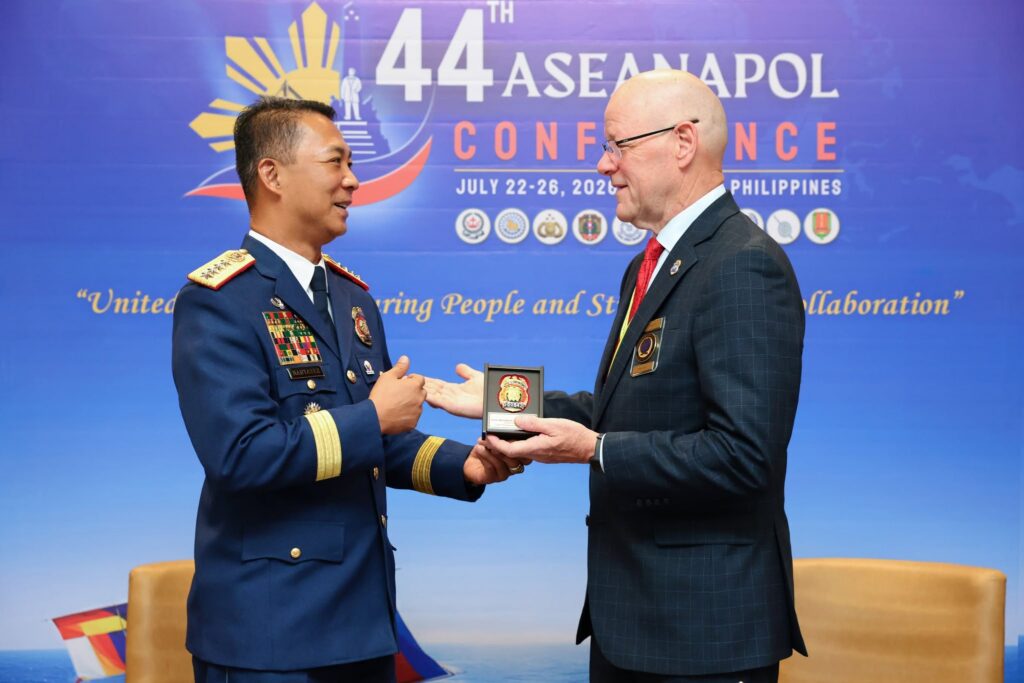
As the PNP formally turned over the hosting of the 45th ASEANAPOL Conference to the Indonesian National Police, the 44th ASEANAPOL Conference concluded not only with resolutions and agreements but also with a renewed commitment to regional unity. Forty-four years after its founding in Manila, ASEANAPOL continues to evolve to meet emerging security challenges while remaining steadfast in its founding ideals of cooperation, professionalism, and mutual trust.
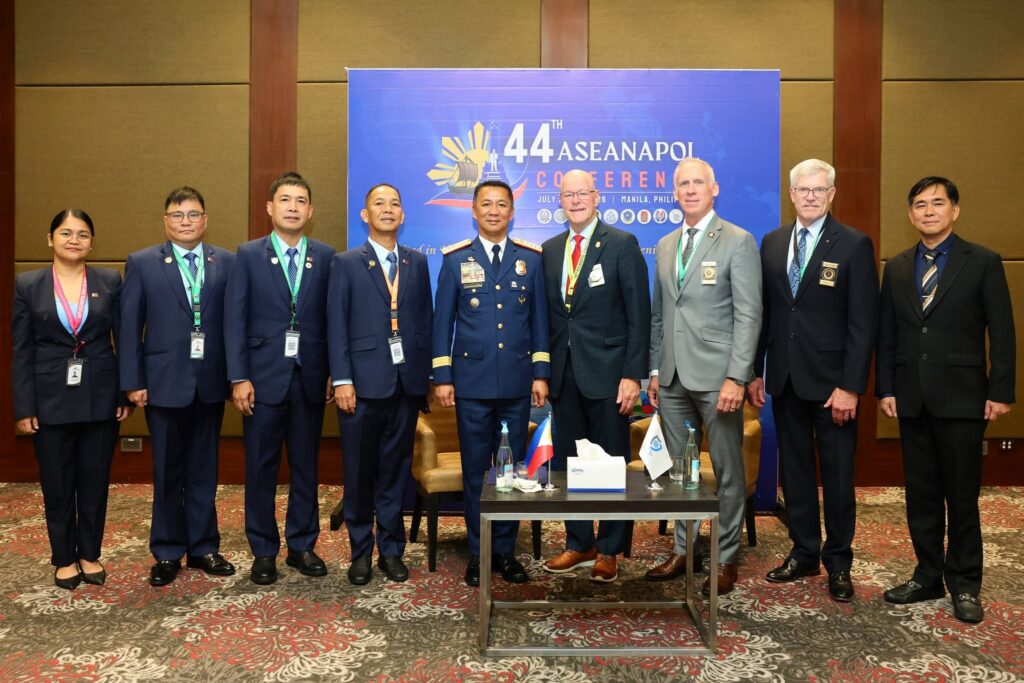
The successful hosting of the 44th ASEANAPOL Conference reaffirmed the Philippines’ role as a trusted regional partner. It demonstrated that lasting peace and security are achieved not by one nation alone but through sustained collaboration and a shared purpose. Guided by the vision of “Bagong PNP para sa Bagong Pilipinas: Serbisyong Mabilis, Tapat, at Nararamdaman,” the PNP remains steadfast in working alongside ASEAN and the international law enforcement community to build a safer, more secure, and more resilient Southeast Asia.