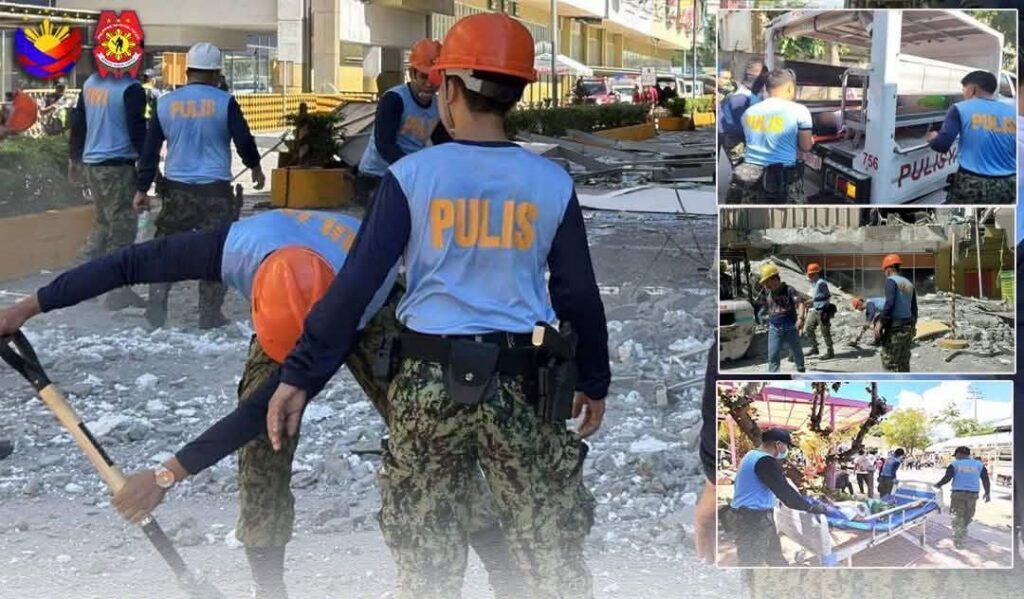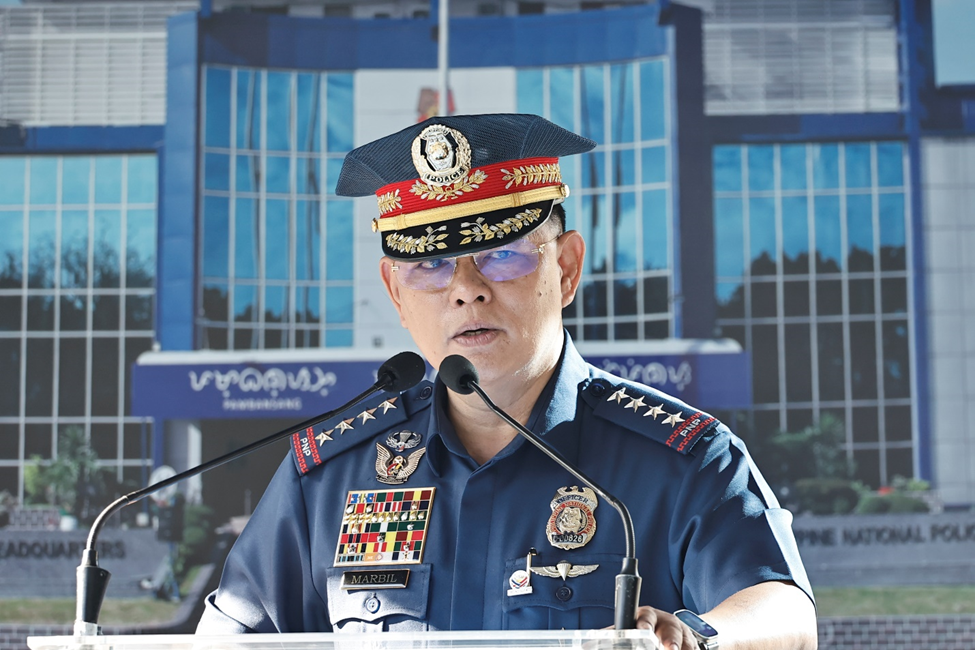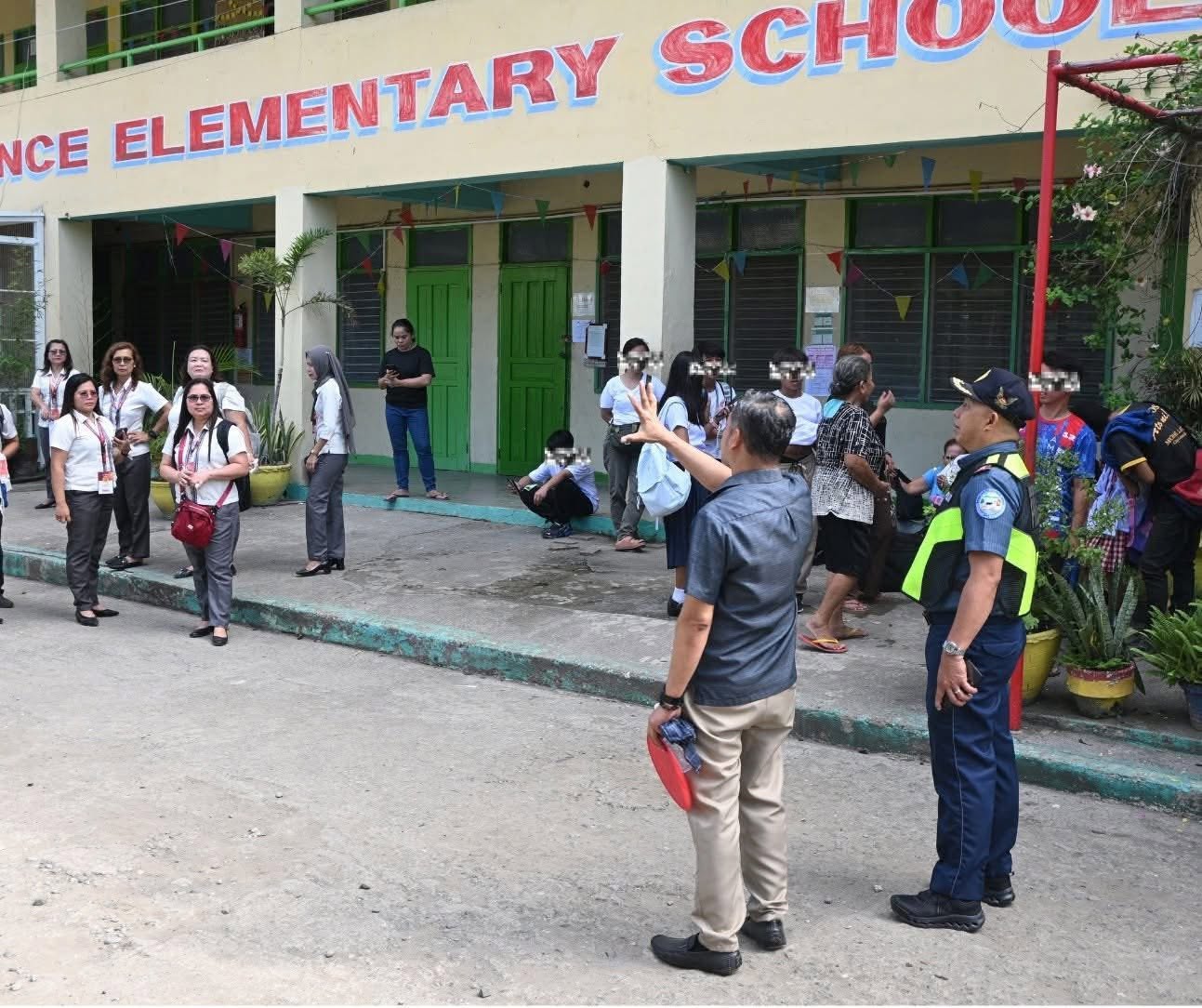
The Philippine National Police (PNP), under the leadership of its Chief, Police General Jose Melencio C. Nartatez Jr., successfully carried out simultaneous nationwide operations on June 8, 2026, ensuring a peaceful opening of classes while responding to the effects of the magnitude 7.8 earthquake that struck parts of Mindanao.
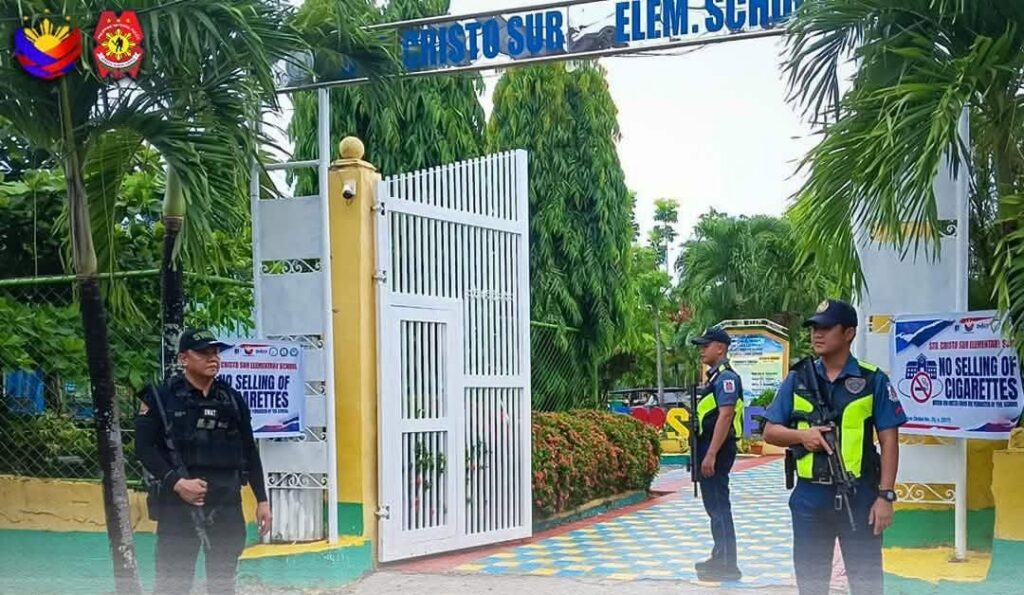
On the first day of School Year 2026–2027, the PNP deployed 55,409 security personnel to help maintain peace and order and ensure public safety in and around educational institutions nationwide. This consisted of 29,864 police personnel, 4,161 specialized unit members, and 21,384 force multipliers. The operation was supported by 6,163 Police Assistance Desks, 9,562 mobile patrols, and 9,895 foot patrols, helping ensure the safety of millions of learners returning to more than 46,000 public and private schools across the country.
While securing the opening of classes nationwide, the PNP simultaneously responded to the aftermath of the magnitude 7.8 earthquake that struck earlier that day. A total of 2,092 personnel were deployed to evacuation centers, vital installations, and affected communities, while maintaining close coordination with local government units (LGUs) and partner agencies.
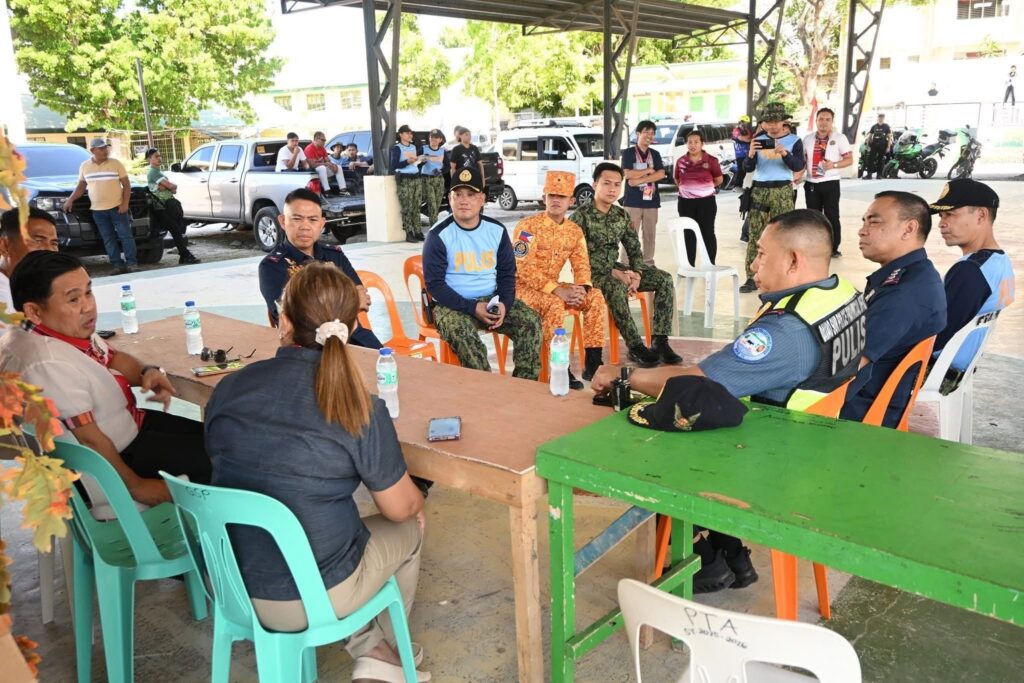
The earthquake caused transportation disruptions, resulting in the suspension of several flights and sea travel operations. Some roads remained accessible only to light vehicles, while selected bridges were placed under safety evaluation. Despite these challenges, the overall peace and order situation remained stable, with police continuing assistance and visibility operations in affected communities.
The earthquake also affected several police facilities. Four police stations and two regional headquarters buildings sustained varying degrees of structural damage. A total of 228 uniformed personnel and 13 non-uniformed personnel were directly affected by the calamity. The PNP immediately initiated welfare and assistance measures for affected personnel while conducting structural assessments of damaged facilities.
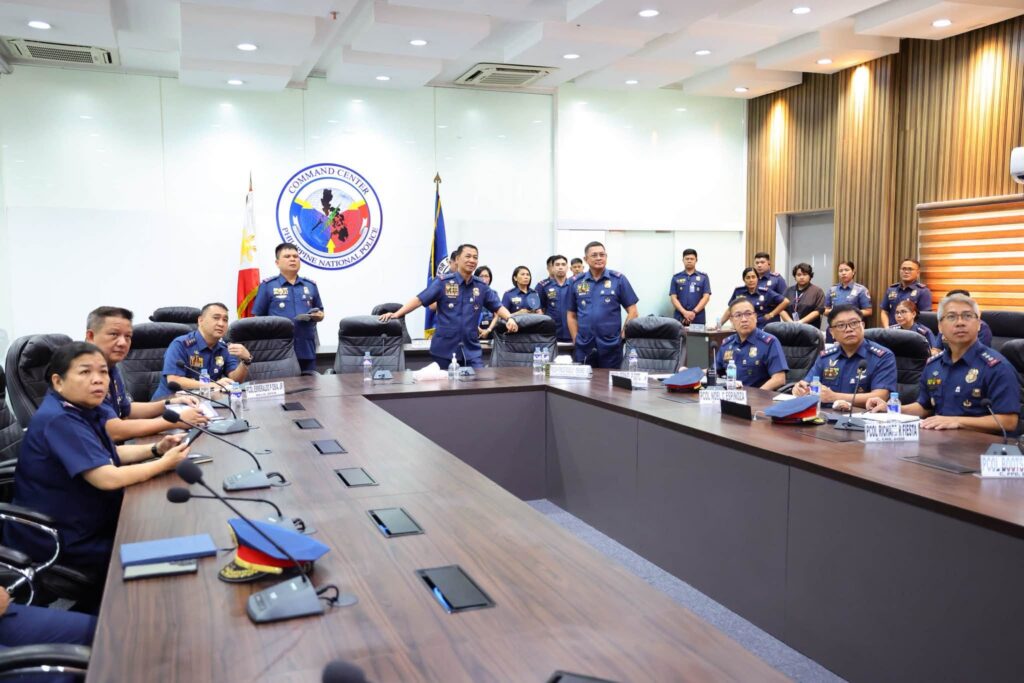
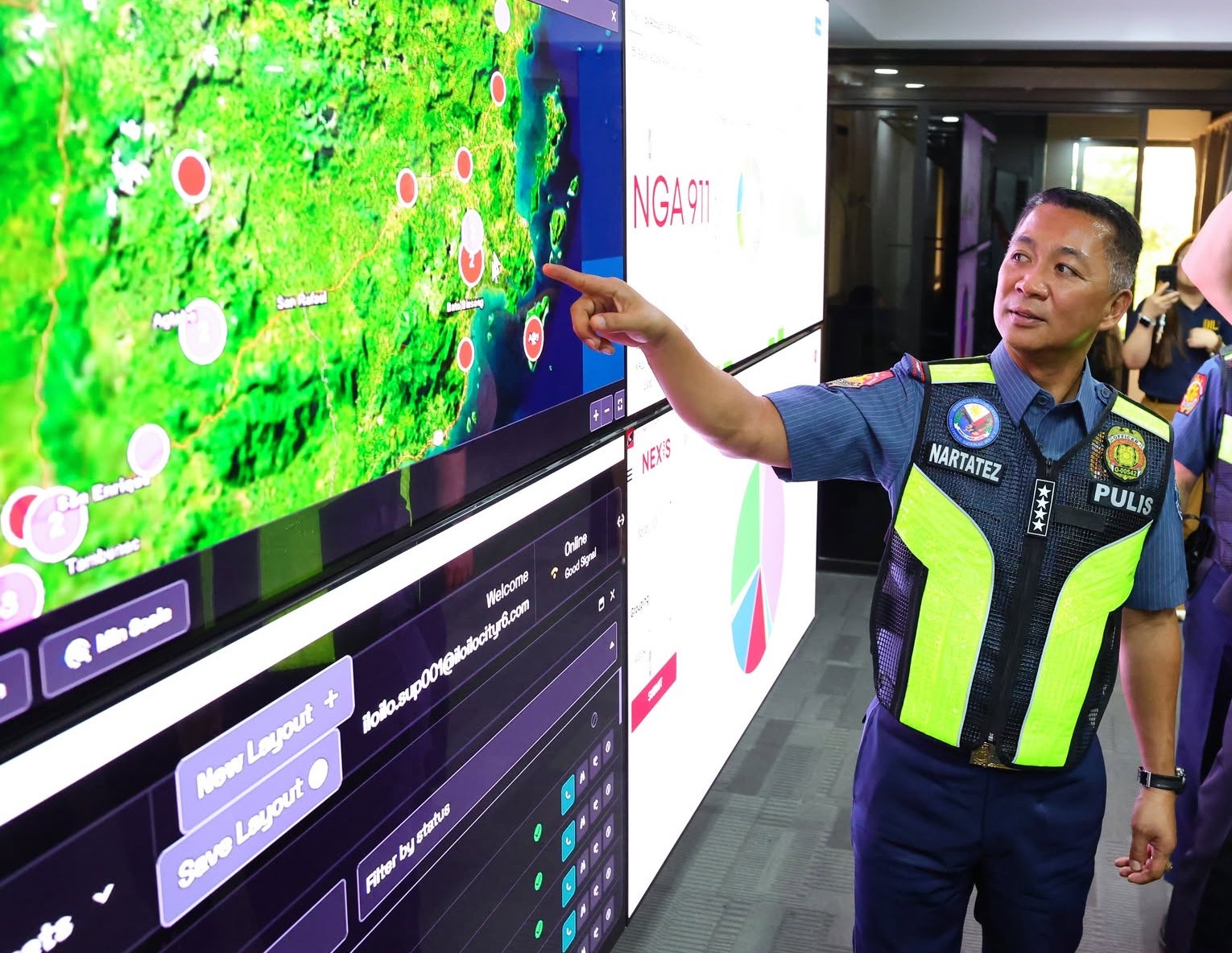
Police General Nartatez closely monitored developments through the PNP Command Center, directing the real-time validation of field reports, ensuring seamless coordination with concerned government agencies, and facilitating the immediate deployment of assistance where needed.
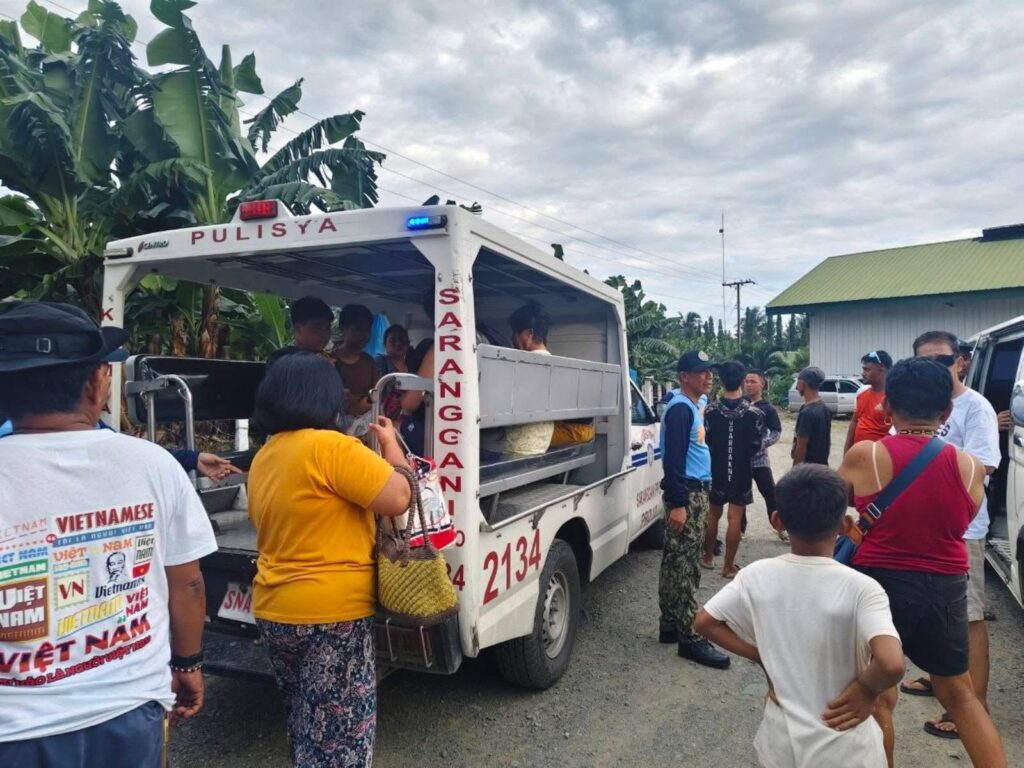
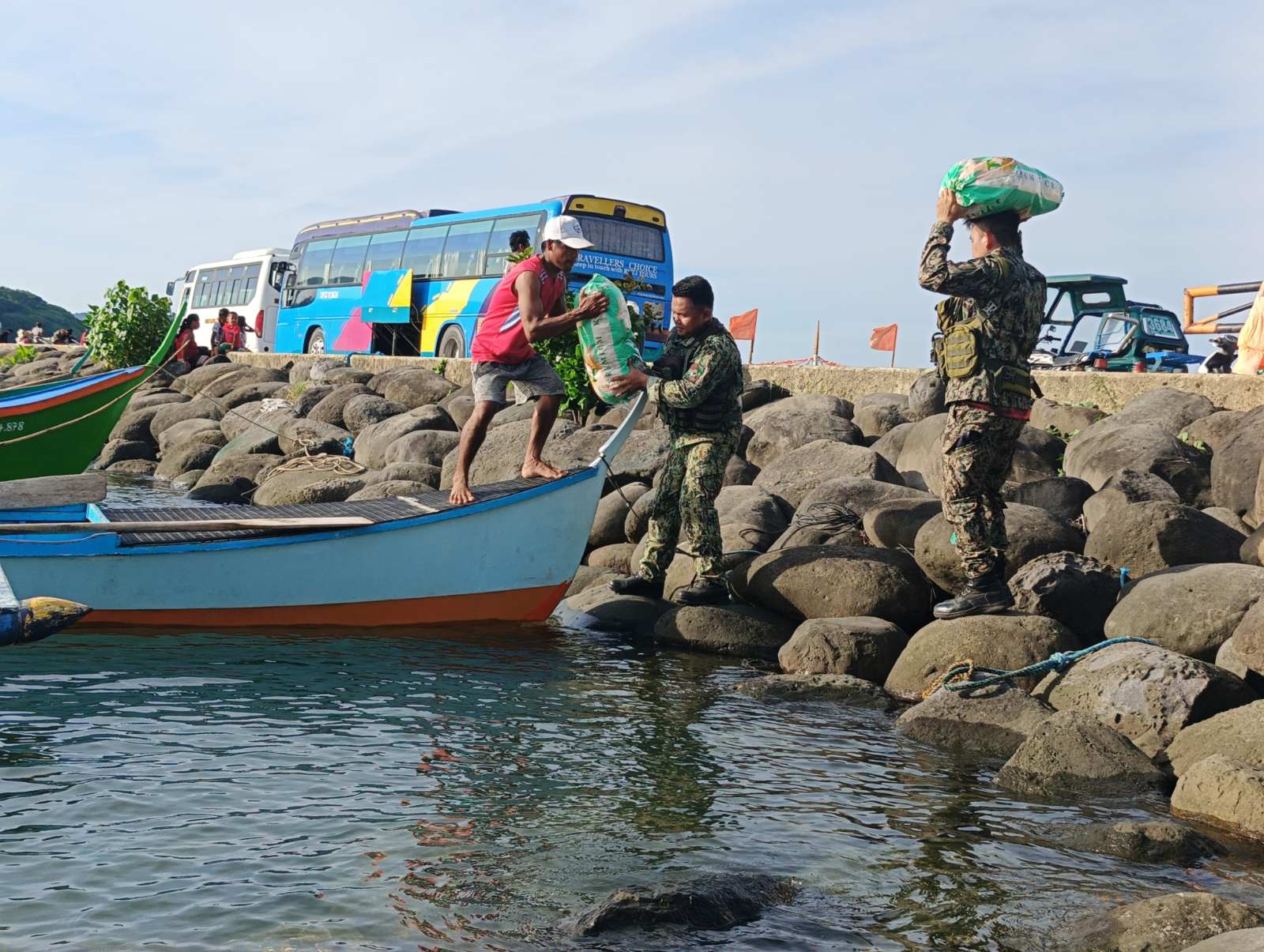
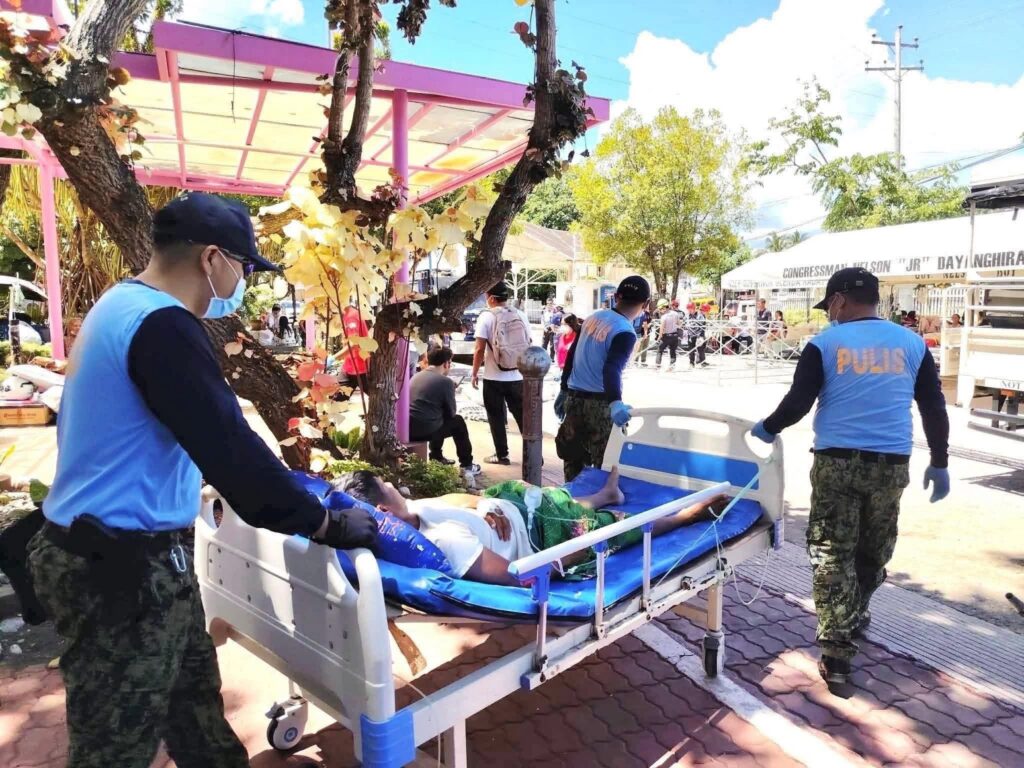
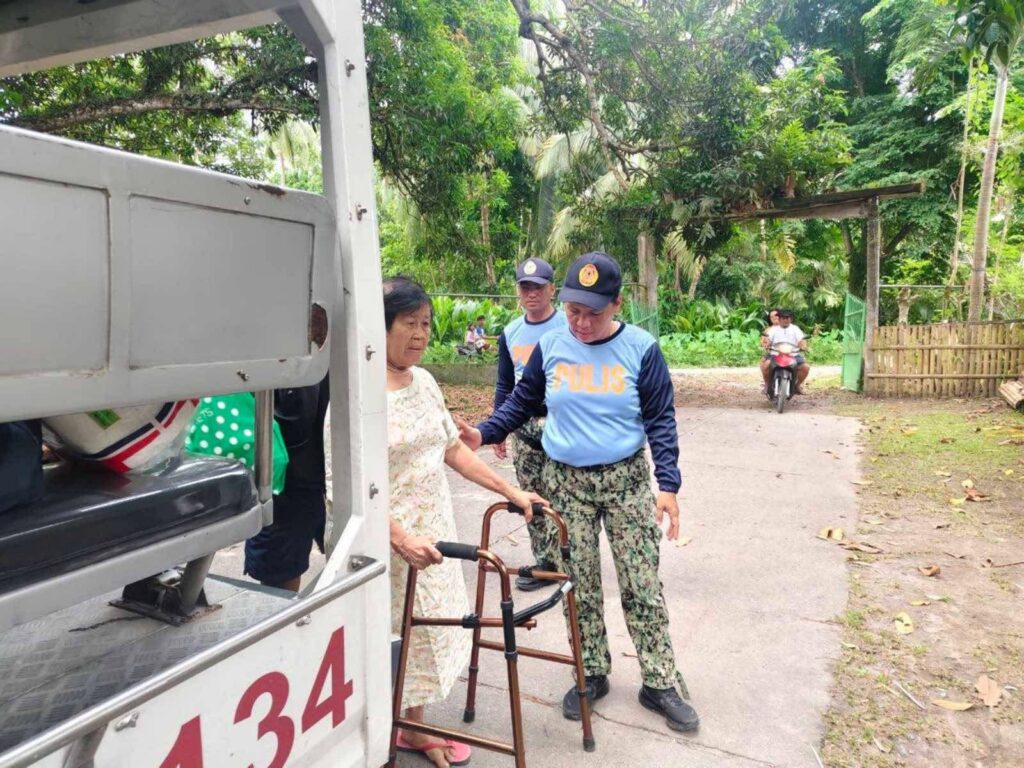
Among the first responders were personnel from Police Regional Office 12 (PRO 12), who assisted in the evacuation of residents in coastal barangays of Kiamba, Sarangani Province amid tsunami warnings and possible aftershocks. Working closely with LGUs and disaster response agencies, police personnel facilitated the orderly transfer of residents to designated evacuation centers and safer areas, prioritizing children, senior citizens, and persons with disabilities.
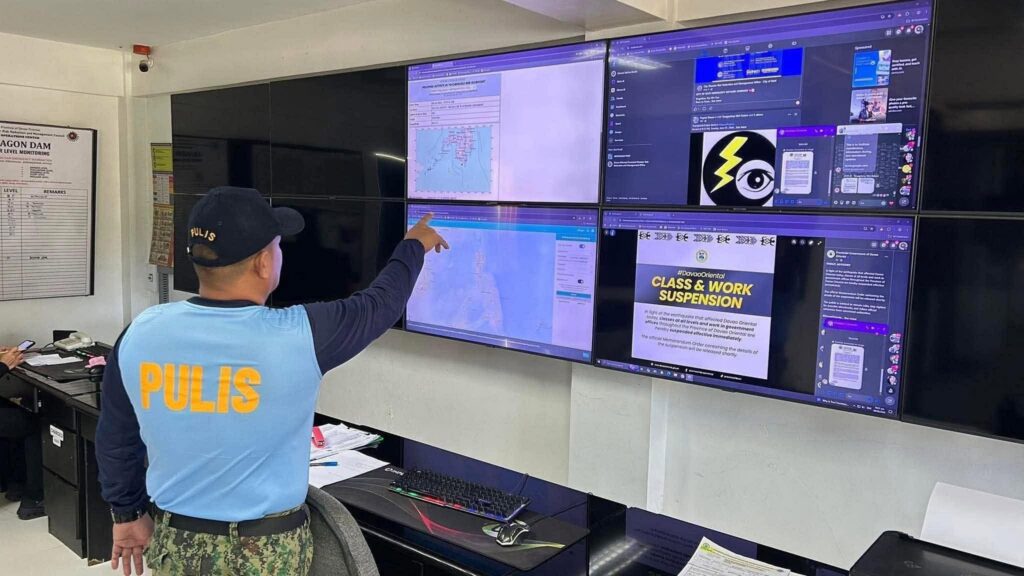
PRO 11 also intensified its disaster response and monitoring operations in affected areas. Police personnel conducted ocular inspections to assess damage, determine community needs, and ensure the strategic deployment of resources and personnel on the ground.
As search, rescue, relief, and recovery efforts continued across affected areas in Regions 9, 11, 12, and the Bangsamoro Autonomous Region in Muslim Mindanao, stories of dedication and selfless service from police personnel emerged.
One such story is that of Police Staff Sergeant Aldrin Bareo of the Glan Municipal Police Station in Sarangani Province. When the earthquake struck, PSSg Bareo was on duty while his wife and child were at home. With power and communication lines disrupted, he was unable to contact them immediately. Despite the uncertainty, he remained focused on helping evacuate residents and assisting affected families seeking shelter. Nearly a day later, he learned that his family was safe, but the earthquake had destroyed their home.
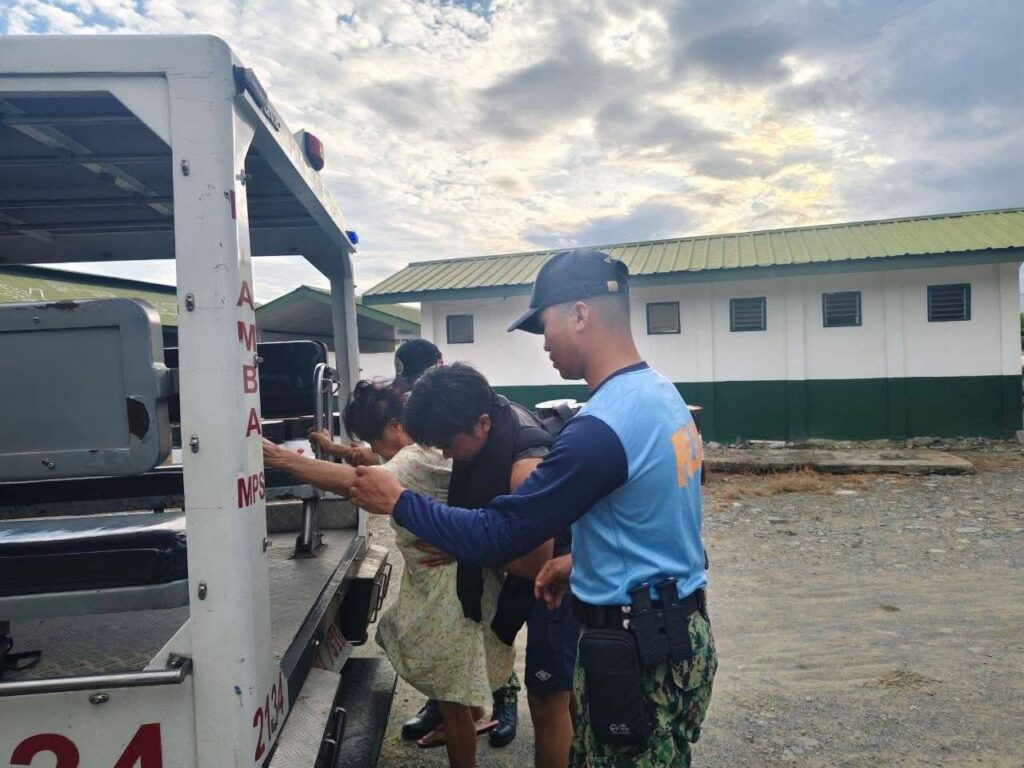
His experience reflects the sacrifices of many police officers across the affected regions who continued serving on the front lines while facing personal challenges brought about by the disaster.
As recovery efforts continue, the PNP has intensified support for the establishment and securing of temporary tent cities for displaced families. Police personnel are assisting LGUs and partner agencies in identifying safe locations, maintaining order, and ensuring security while helping to assure that displaced residents receive immediate assistance as authorities conduct structural assessments of damaged homes and buildings.
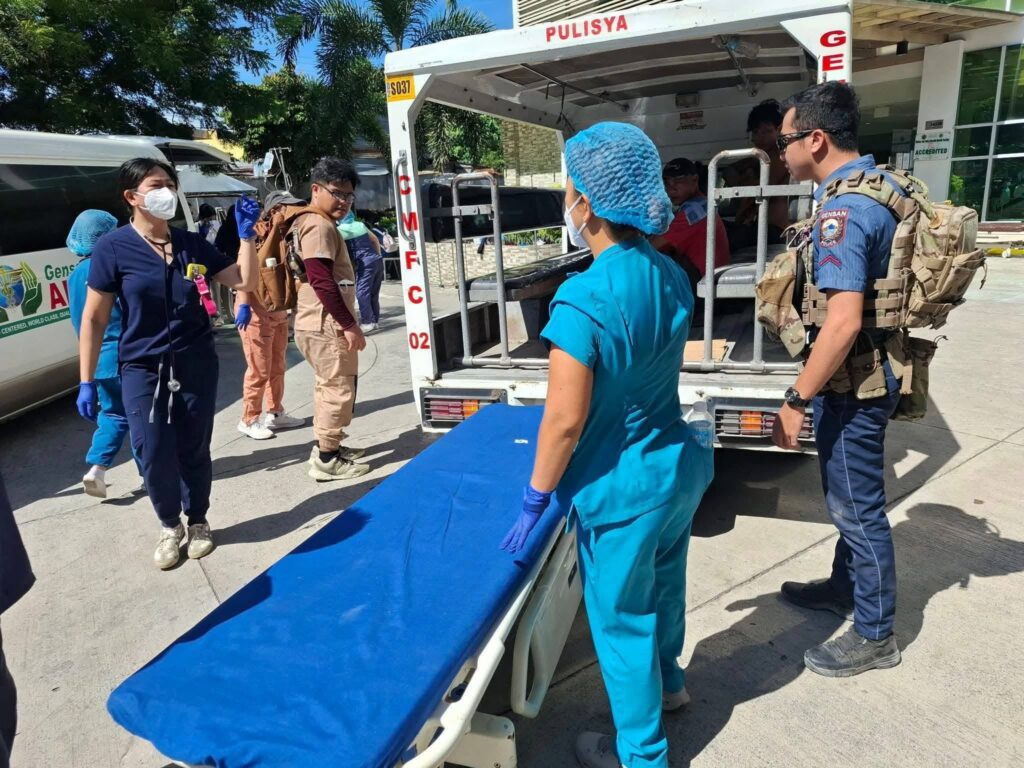
The PNP Chief emphasized that the dedication demonstrated by police personnel in affected areas embodies the true spirit of public service.
“In times of disaster, our police officers do more than enforce the law. They become rescuers, protectors, coordinators, and sources of reassurance for communities facing uncertainty. We recognize the sacrifices being made by our personnel on the ground, many of whom are also affected by this tragedy, yet continue to serve with dedication and compassion,” he said.
While the earthquake left behind damaged homes, disrupted livelihoods, and significant challenges for many communities, it also revealed countless acts of courage and dedication from police officers who placed service above themselves. From conducting rescues and assisting evacuees to securing temporary shelters and supporting tent cities, police officers continue to stand as a steady force of hope and resilience, committed not only to maintaining peace and order, but above all, to serve the Filipino people in pursuit of a Bagong Pilipinas.