As the Philippines prepares to host one of the region’s most significant law enforcement gatherings, the Philippine National Police (PNP) has intensified its coordination efforts to ensure the successful conduct of the 44th ASEANAPOL Conference, which will bring together police leaders and security officials from across Southeast Asia to strengthen regional cooperation in combating transnational crime and addressing emerging security challenges.
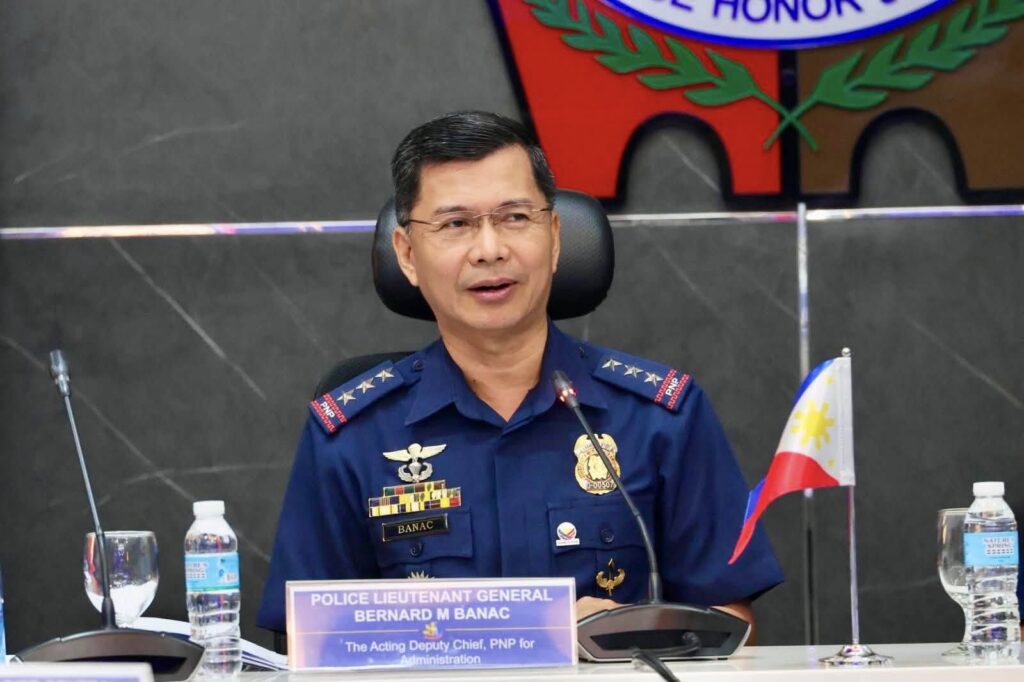
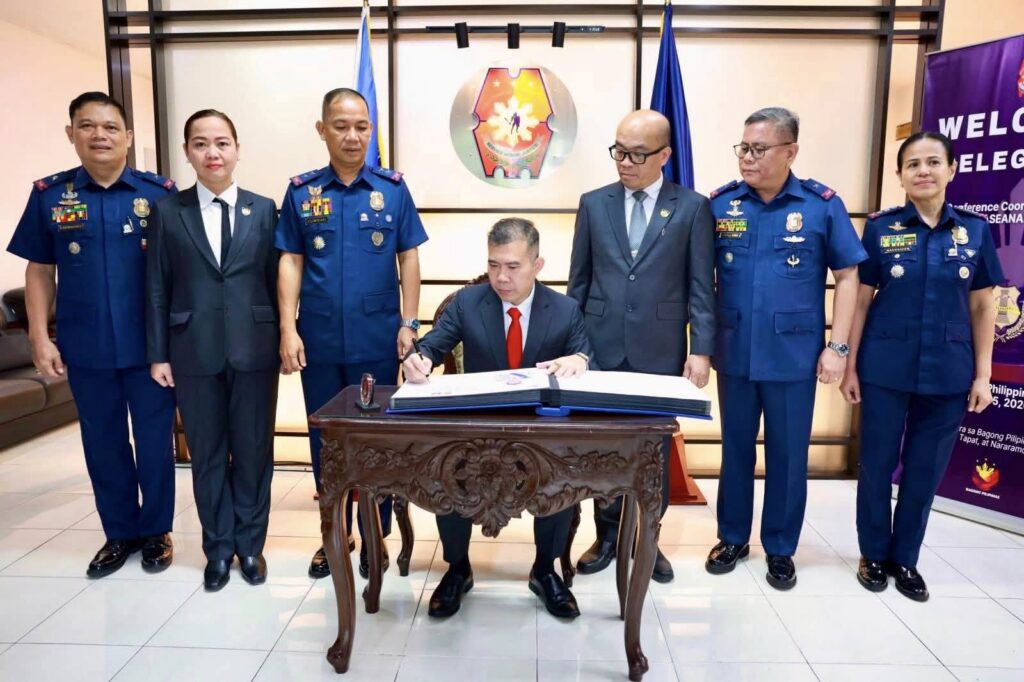
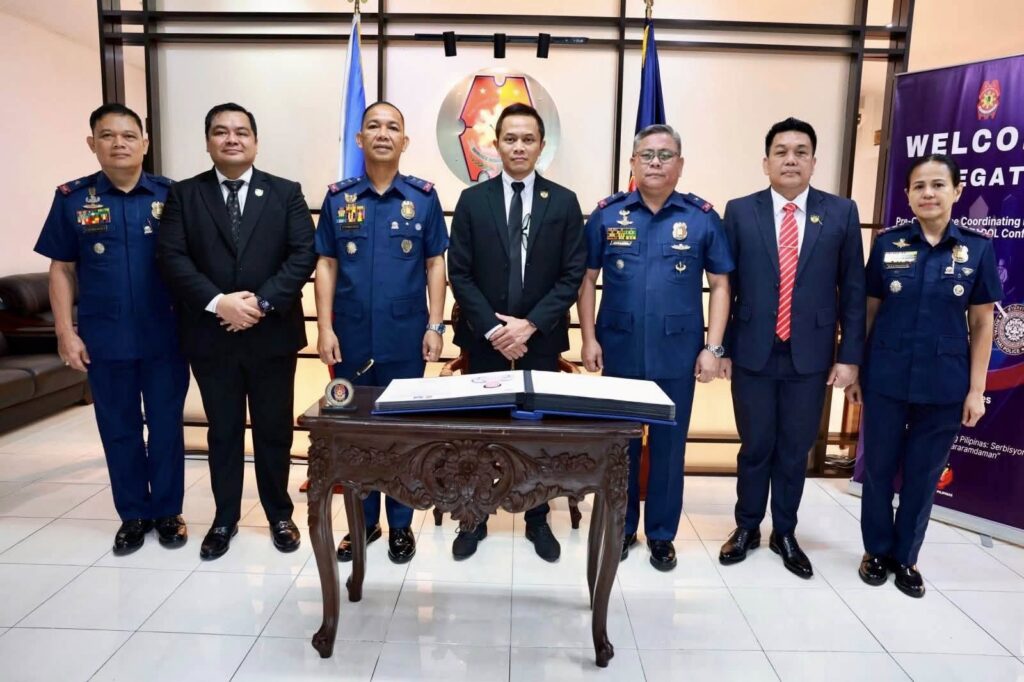
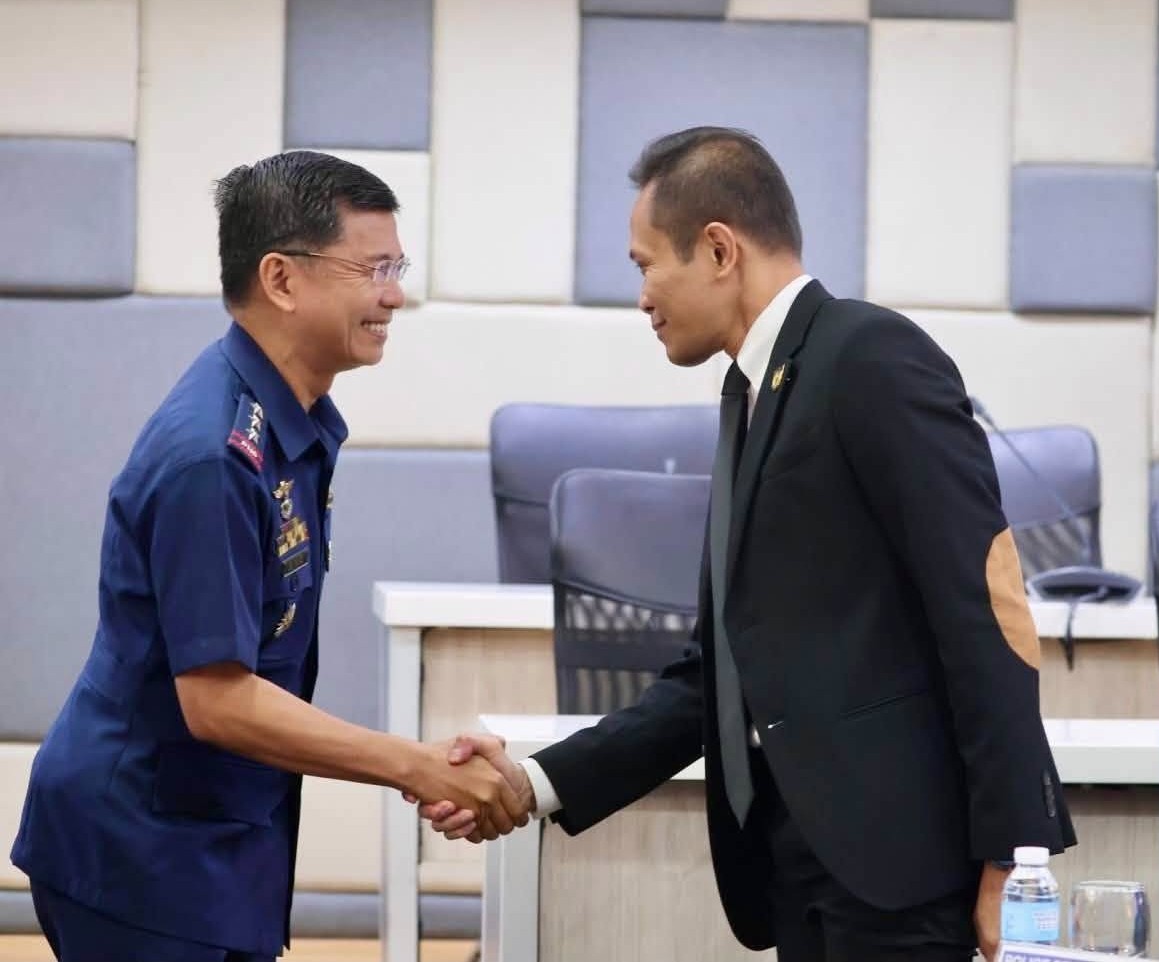
In line with this, the PNP convened a Pre-Conference Coordination Meeting for the 44th ASEANAPOL Conference on June 3, 2026, at the PNP Main Conference Room, 3rd Floor, NHQ Building, Camp BGen Rafael T Crame in Quezon City. The activity was presided over by Police Lieutenant General Bernard M. Banac, Deputy Chief PNP for Administration, and attended by key officials and representatives from various offices involved in the planning and execution of the country’s hosting responsibilities for the upcoming conference under the framework of the ASEANAPOL.
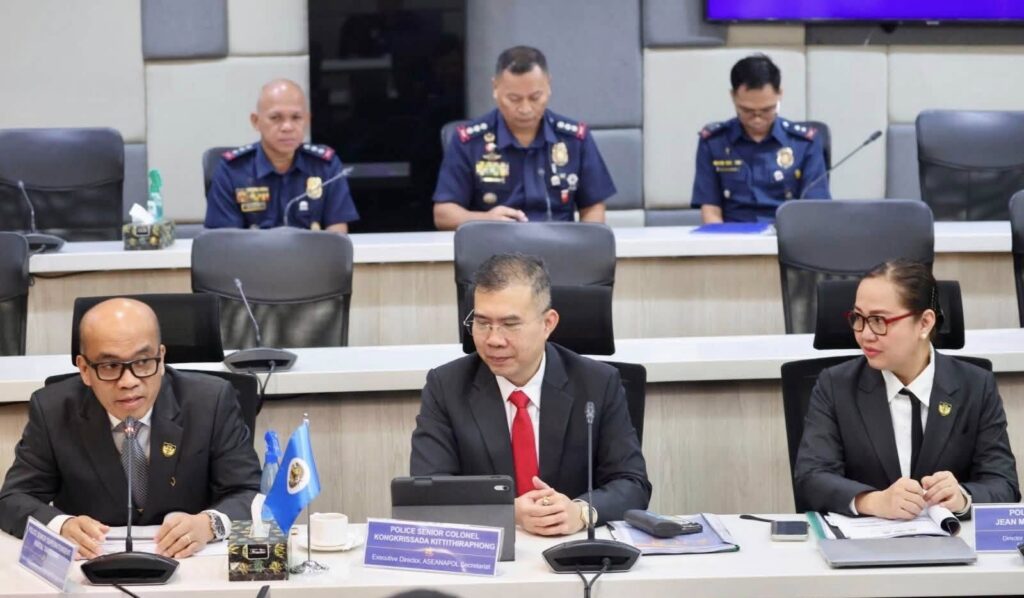
During the meeting, participants discussed the conference agenda, reviewed best practices and lessons learned from the 43rd ASEANAPOL Conference, and tackled preparations for the 44th ASEANAPOL Conference, including operational, administrative, security, and logistical requirements. An open forum was also conducted to address concerns and ensure alignment among all participating units.
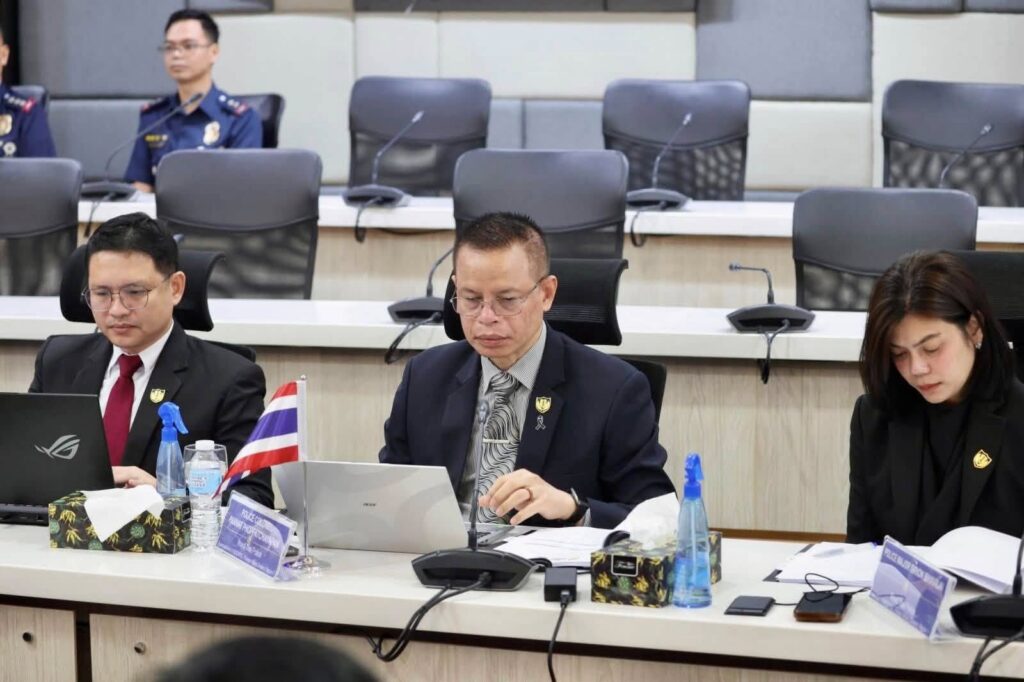
These preparations are underway as the PNP is set to host the 44th ASEANAPOL Conference from July 22 to 26, 2026, at the Manila Marriott Hotel, Pasay City. The conference will bring together Chiefs of Police and senior law enforcement leaders from ASEAN member countries, along with dialogue partners and observers, in a high-level regional forum focused on strengthening cooperation and coordination in policing.
Held annually on a rotational basis among member countries, the ASEANAPOL Conference continues to serve as a vital platform for cooperation, collaboration, and sustained partnerships among police organizations in Southeast Asia. Its core objectives include enhancing police professionalism, strengthening regional law enforcement cooperation, and promoting lasting friendship among officers of member nations.
The ASEANAPOL community comprises ten member countries: Brunei Darussalam, Cambodia, Indonesia, Lao PDR, Malaysia, Myanmar, the Philippines, Singapore, Thailand, and Vietnam. The organization traces its roots to its five founding members—the Philippines, Thailand, Indonesia, Malaysia, and Singapore, which established it in 1981. It has since expanded to include other ASEAN states, further strengthening regional security collaboration.
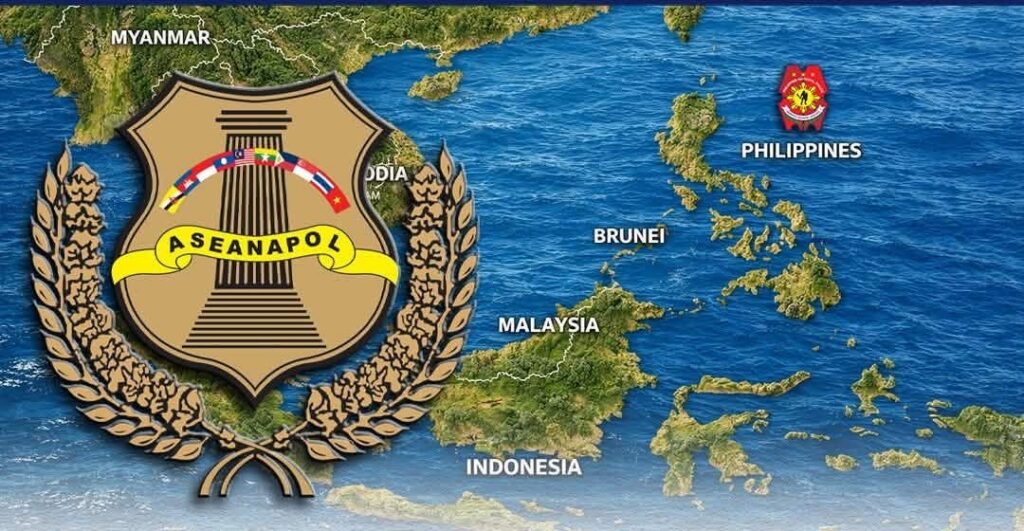
As the host country, the Philippines is entrusted with the responsibility of leading discussions and facilitating cooperation among participating delegations, reaffirming its long-standing commitment to regional policing partnerships. This milestone hosting also highlights the country’s active role in ASEANAPOL as it first hosted the inaugural conference in 1981, followed by subsequent hostings in 1987, 1993, 2003, and 2014.
“We consider the hosting of the 44th ASEANAPOL Conference as both an honor and a responsibility. This is an opportunity to further strengthen trust, coordination, and interoperability among our police forces in the region. Makakaasa po ang ating mga kapatid na pulis sa ASEAN na handa ang PNP na maglingkod at makipagtulungan para sa mas ligtas na komunidad,” said PNP Chief Police General Jose Melencio C. Nartatez Jr.
The upcoming 44th ASEANAPOL Conference serves as an important platform for advancing regional law enforcement cooperation and fostering stronger partnerships among ASEAN police organizations. Through this undertaking, the PNP reaffirms its commitment to promoting a safer and more secure Southeast Asian region. It likewise advances its Focused Agenda under Enhanced Managing Police Operations by strengthening coordination, improving operational efficiency, and deepening regional engagement to address common threats, transnational crimes, and other evolving concerns affecting peace and security across the region.